


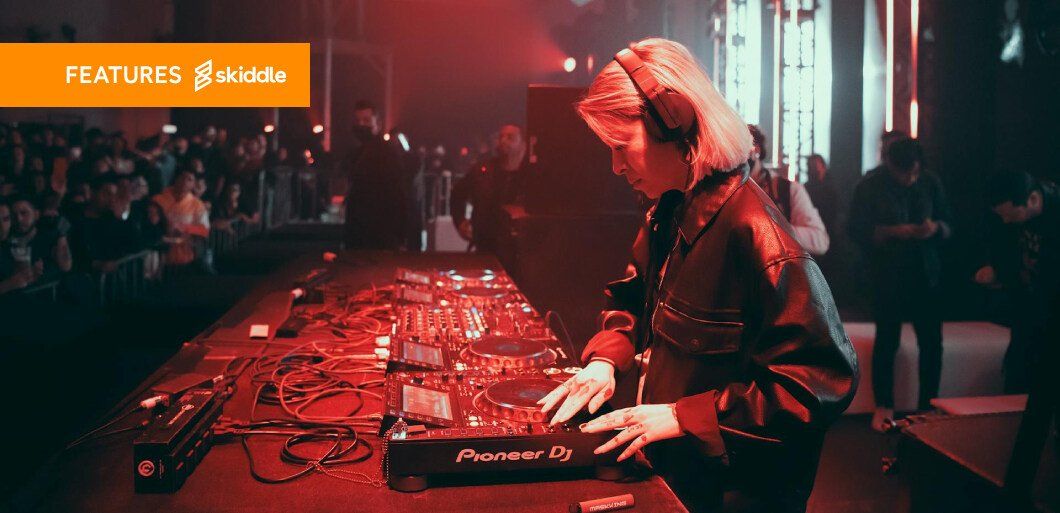
The best DJs of the 2010s
From EDM icons to underground selectors, explore the best DJs of the 2010s. This guide to 2010s DJs covers the artists who shaped dance music across festivals, clubs and global scenes.
Last updated: 15th Apr 2026
We’ve covered the best DJs of the ‘90s and 2000s, but we couldn’t possibly stop there. The 2010s were crucial for electronic music, a time when new genres came to the forefront, celebrities were born, and many of our favourite selectors of today got their start.
As ever, house and techno were a constant throughout the decade. But EDM flourished, bringing electronic music to the mainstream in a way that hadn’t been seen before. DJs were now in the charts, regularly collaborating with global pop stars and dominating the airwaves.
On the underground, the once regional sound of footwork was introduced to the wider world via Planet Mu’s Bangs & Works compilations. At the same time, bass music mutated into a litany of styles and subcultures.
But enough from us. You’re here to read about the best DJs of the 2010s. So from David Guetta to DJ Rashad, here are the selectors that defined a decade.
edm
David Guetta
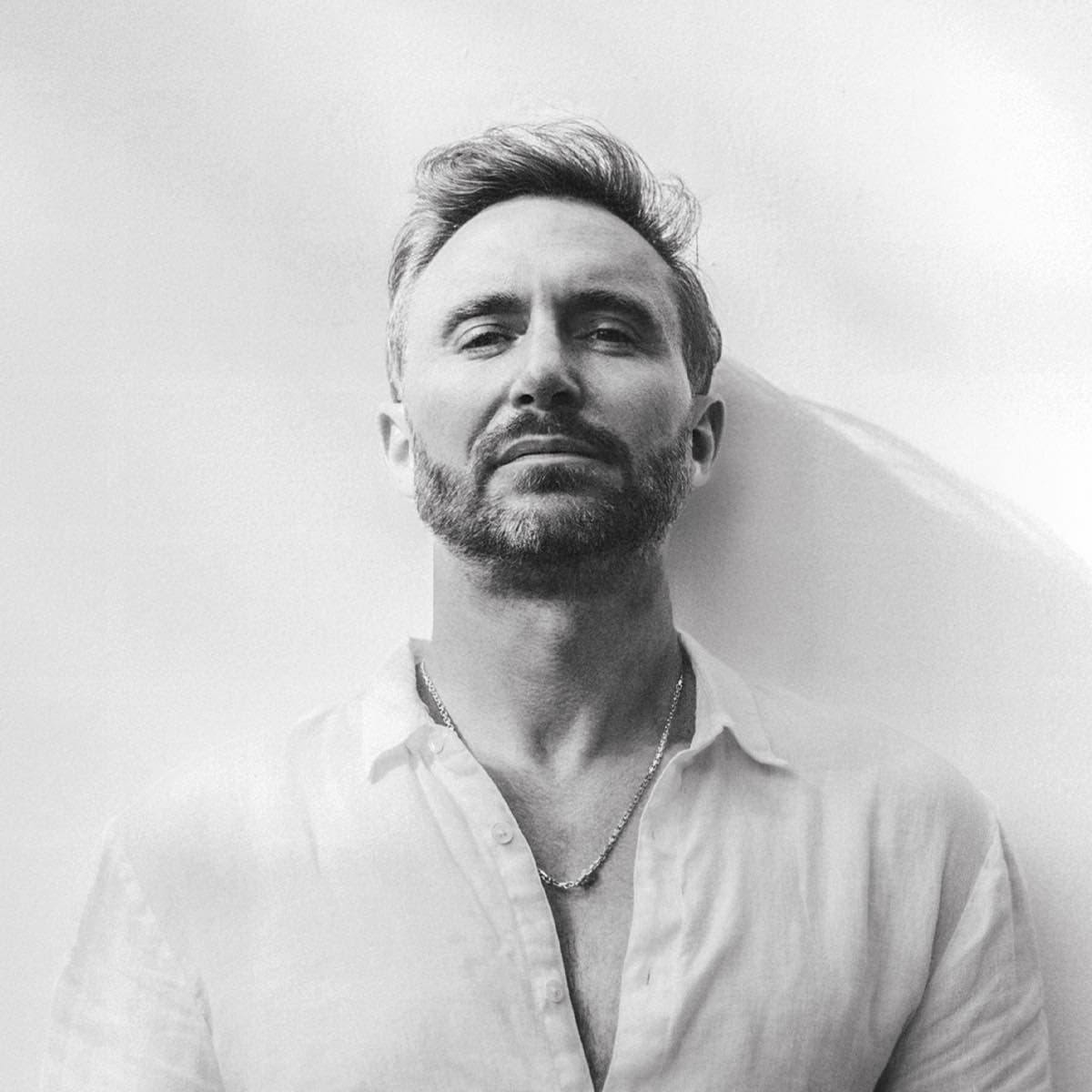
Image: David Guetta / Facebook.com
Remember ‘Where Them Girls At’ and ‘Titanium?’ Of course you do. In fact, pretty much everyone does, and they’re tunes that put David Guetta and EDM on the map. In the 2010s, DJs were the decade’s rock stars. They released hyper-euphoric songs and played ridiculously large shows, dominating radio stations and clubs across the world. He bridged the gap between the glossy, stylish world of electronic music and the mainstream with a star-studded list of collaborations. Rihanna, Nicki Minaj, Sia… We could go on. Without Guetta, we’re not sure if the EDM boom would’ve kicked off in the way it did.
Avicii
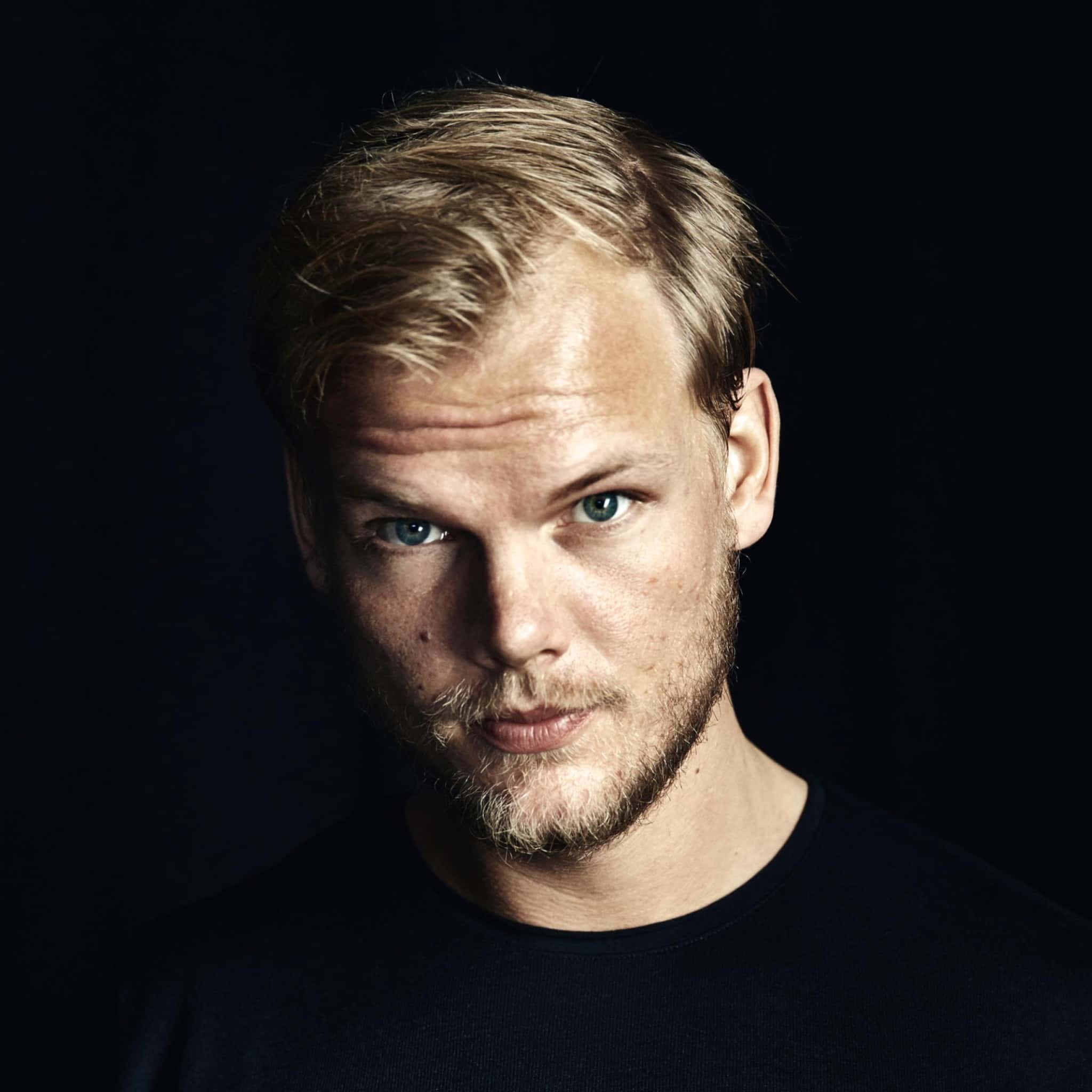
Image: Avicii / Facebook.com
Sweden has a habit of producing dance music heavyweights. In the 2010s, it was Avicii. His country and bluegrass-influenced bangers like ‘Hey Brother’ resonated with ravers, country fans and people who’d never been to a rave in their life. Dance music enthusiasts flocked to Tomorrowland, Ultra and Creamfields; others cranked his music on car stereos and in headphones. Sadly, Avicii passed away in 2018, but the talent he showed in his relatively short time means he’s firmly remembered as one of electronic music’s best.
Swedish House Mafia
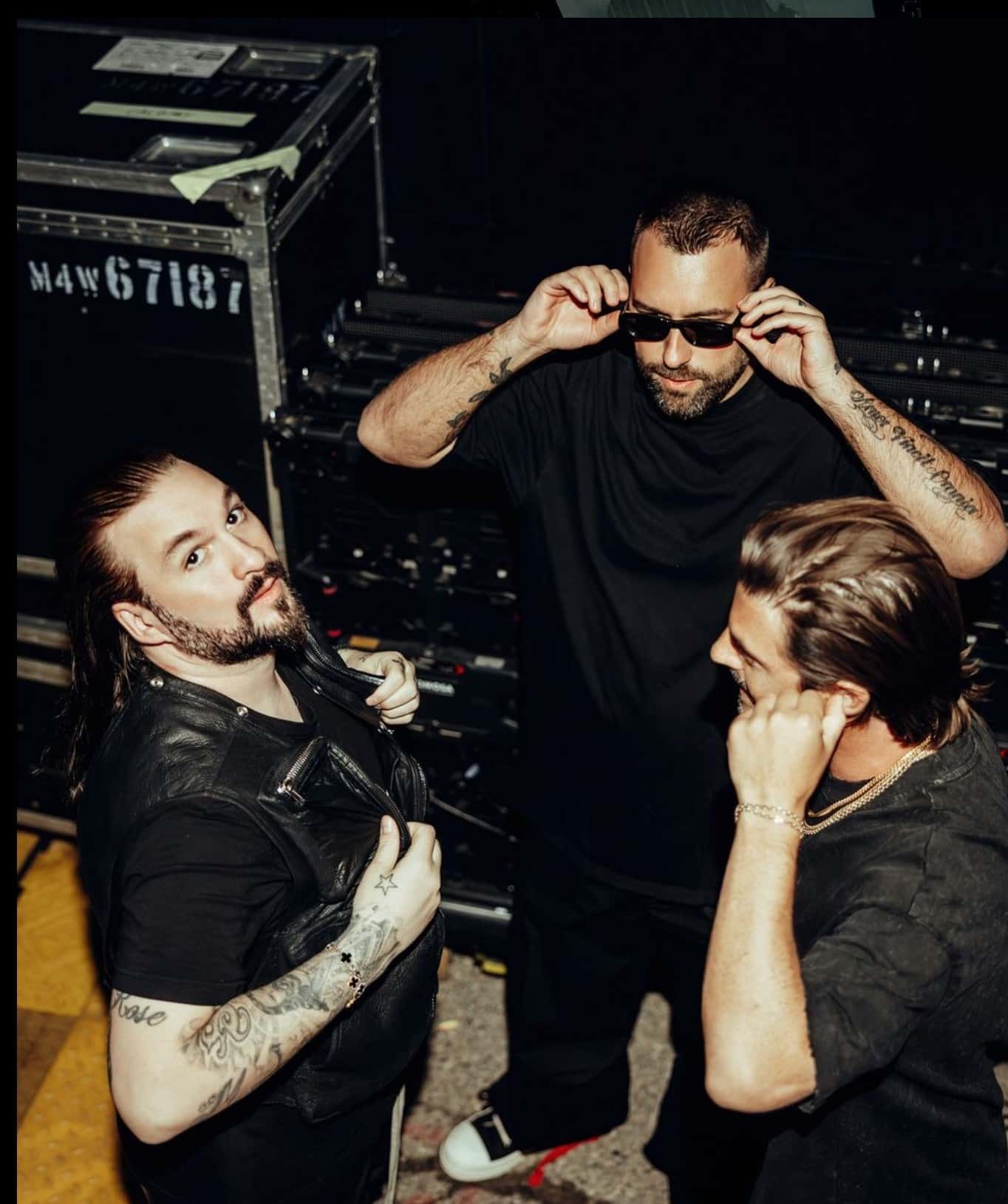
Image: Swedish House Mafia / Facebook.com
Before Swedish House Mafia, electronic acts didn’t play at Madison Square Garden. But, once the trio – comprised of Axwell, Sebastian Ingrosso and Steve Angello – played their set in 2011, the success led to other EDM, house and techno acts gracing the famous stage. It’s no surprise that they ended up playing such an esteemed venue. Tracks like ‘Miami 2 Ibiza’ and ‘Don’t You Worry Child’ were absolute bangers, and the group’s ability to craft drops that made the hairs on your neck stand up was second to none.
Calvin Harris
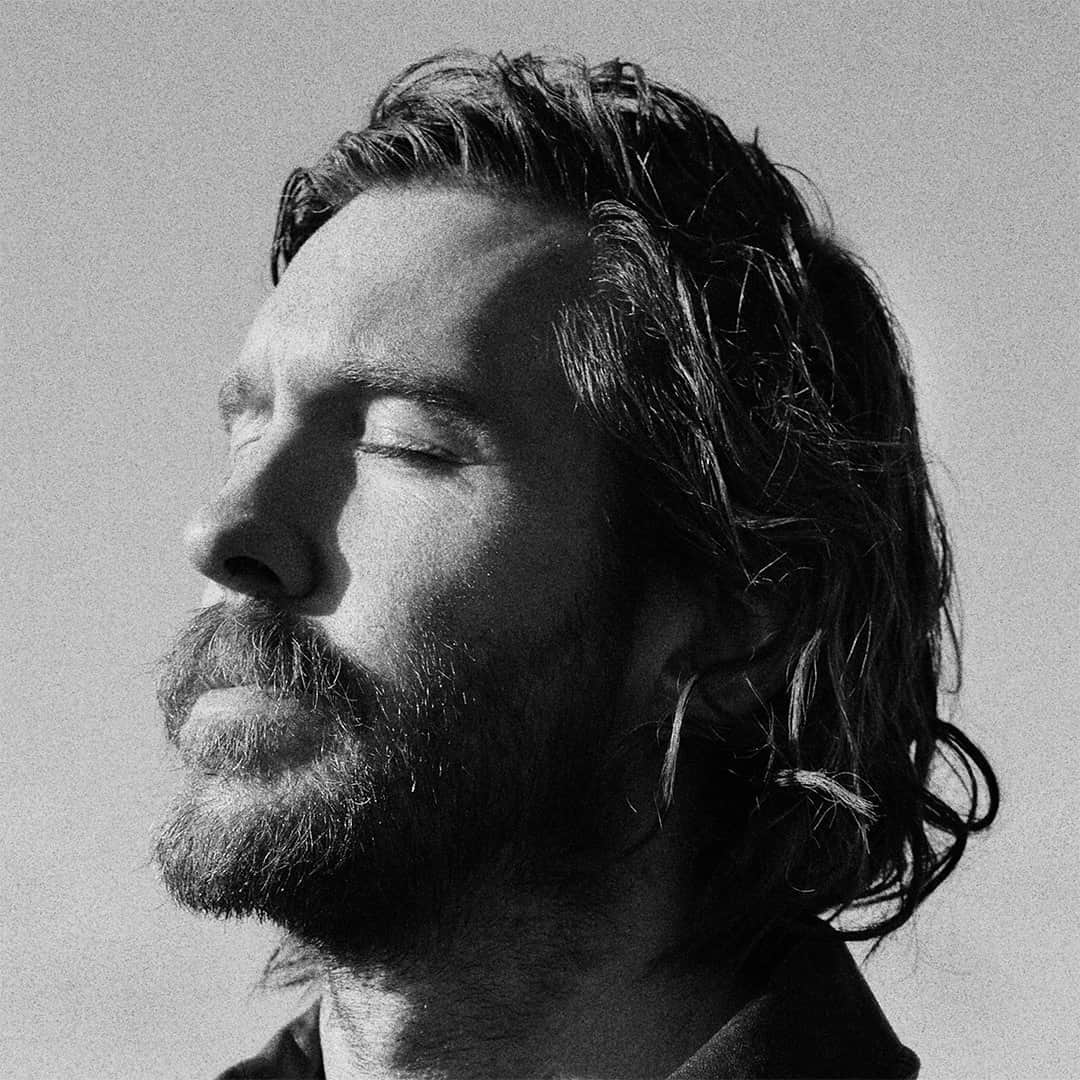
Image: Calvin Harris / Facebook.com
‘Dance Wiv Me’ put Calvin Harris on the mainstream radar, but the 2010s took him to even bigger heights. And is it any wonder when you listen to ‘We Found Love’? That opening riff is instantly recognisable, and the chorus is a pure hands-in-the-air, euphoric rave moment. This ultra-catchy, super melodic style became Harris’ blueprint in the 2010s, with international superstars like Ellie Goulding, Kelis, and Florence Welch lining up to get a piece of his signature sound.
Skrillex
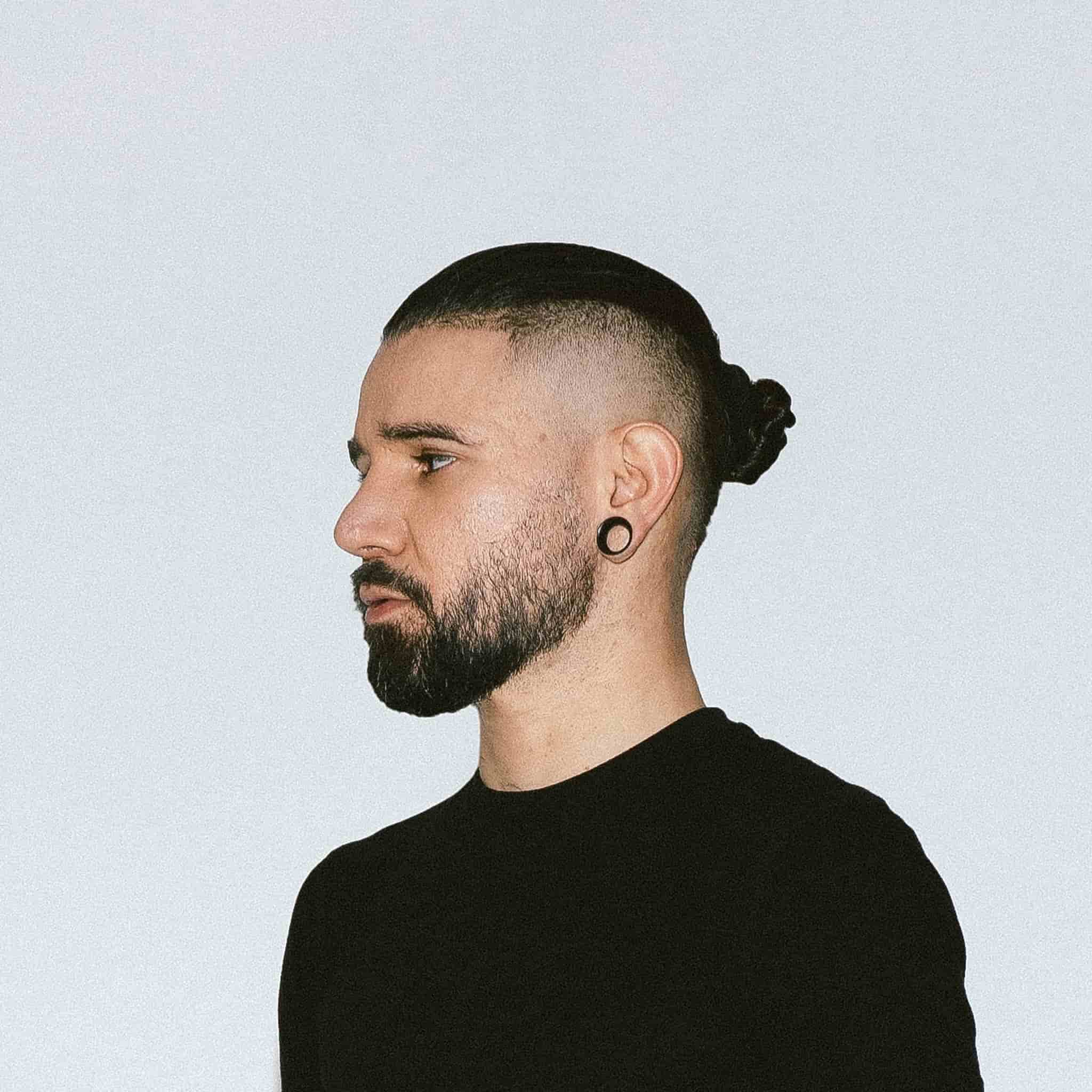
Image: Skrillex / Facebook.com
Love him or hate him, Skrillex changed dubstep. What was once a gritty, underground phenomenon became a hyperactive and aggressive sound heard across the world. Without Skrillex’s contribution, it’s unlikely that dubstep would enter the mainstream, and even more unlikely that a new wave of artists would follow in his footsteps. But he wasn’t just a one-trick pony. He scooped up a Grammy Award as one-half of Jack U, penning EDM smashers like ‘Where Are U Now’. Spending a decade redefining genres and achieving worldwide success is no mean feat, but Skrillex did it with an ease that many DJs would envy.
Martin Garrix
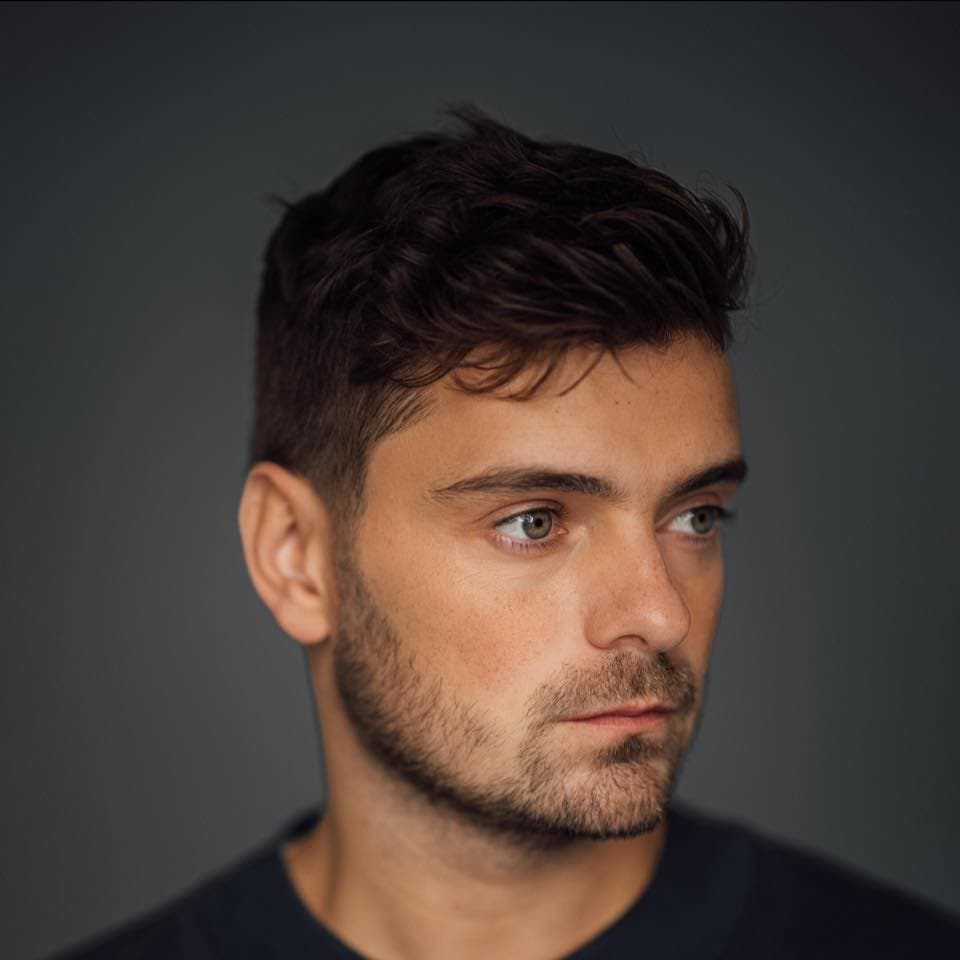
Image: Martin Garrix / Facebook.com
What were you doing at 17? Martin Garrix was busy playing Ultra Music Festival, one of the biggest festivals in the world. It all starts with ‘Animals’. Released in 2013, it captivated audiences thanks to its absolutely belting riff after the drop. If you were in and out of the student clubs around this time, it's likely you heard the track every week. After such an impact, most artists would struggle, but Garrix went from strength to strength. He scooped up 3 DJ Mag Top 100 wins and went on to collaborate with the likes of Usher, cementing his place as a defining face of the EDM boom.
Hardwell
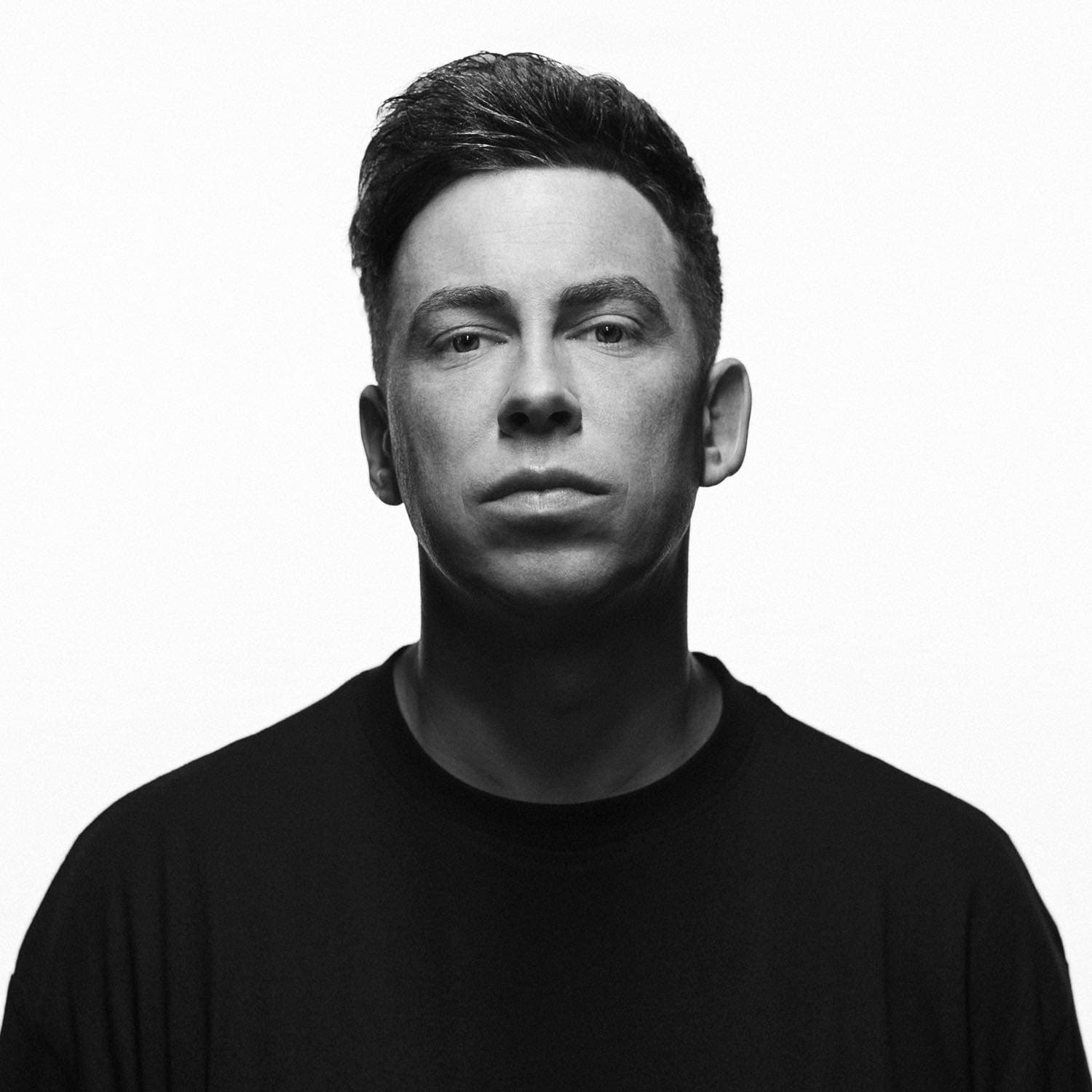
Image: Hardwell / Facebook.com
They don’t call Hardwell the ‘King of the Mainstage’ for nothing. Just take a look at his Ultra Music Festival set in 2013, where massive drops hit the crowd like lightning bolts. That same year, Hardwell scooped the number 1 spot on the DJ Mag Top 100, winning it again in 2014. By the mid-2010s, the Dutch selector was one of the era’s most successful mainstage DJs.
Deadmau5
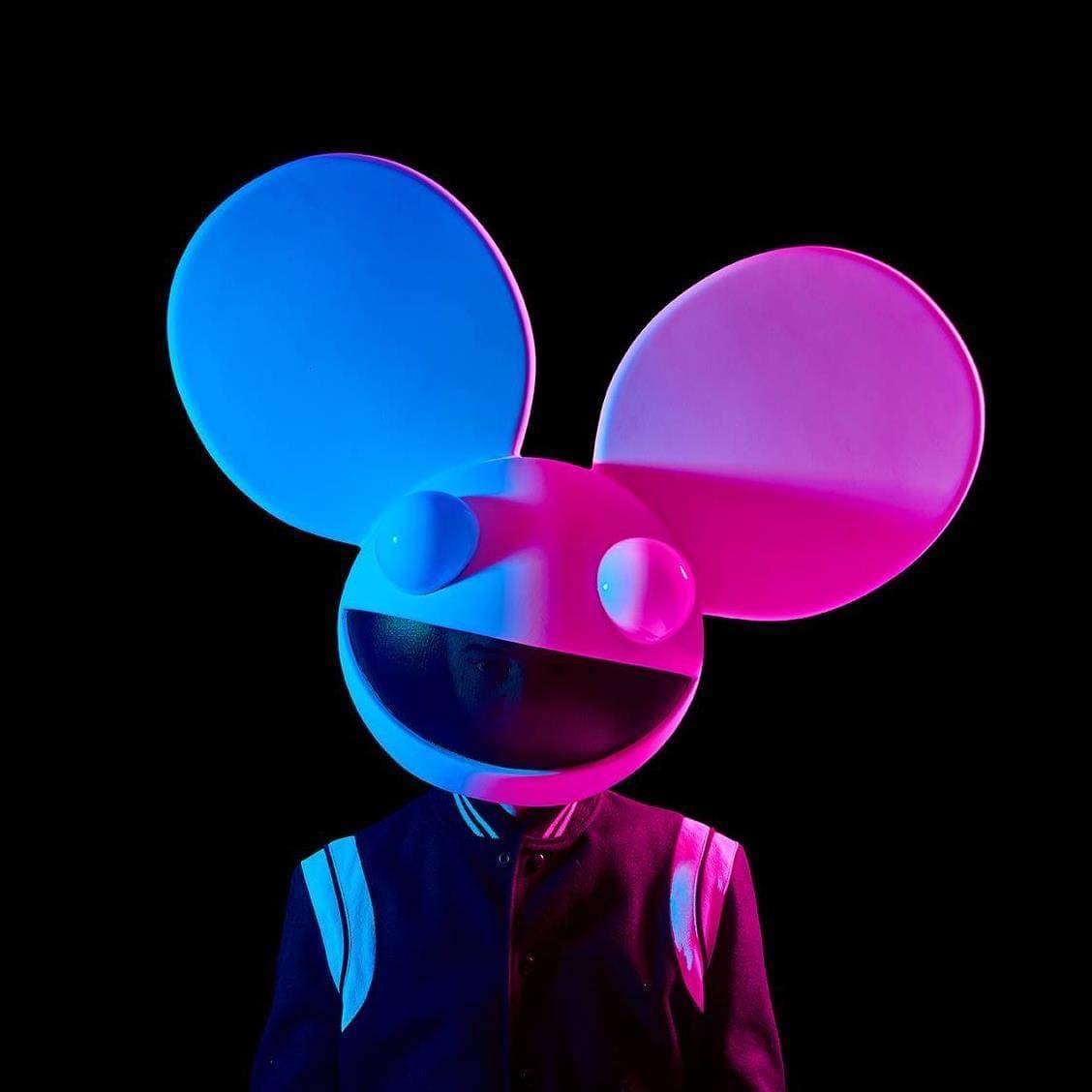
Image: Deadmau5 / Facebook.com
There’s only one word for Deadmau5: iconic. Once you see the mouse mask and the logo, you know exactly who you’re looking at. With grandiose live sets where strobe lights hit from just about every angle – even his mask – Deadmau5 brought a touch of the theatrical to the EDM world. But behind the immersive visuals and playful approach was a talented artist. Tracks like ‘Strobe’ and ‘Some Chords’ showcased his ability to craft stomping melodies and build to emotional peaks, something you can see clearly in all its glory on Live at Earls Court in 2010. Equal parts artist and showman, Deadmau5 was the full package.
Armin van Buuren
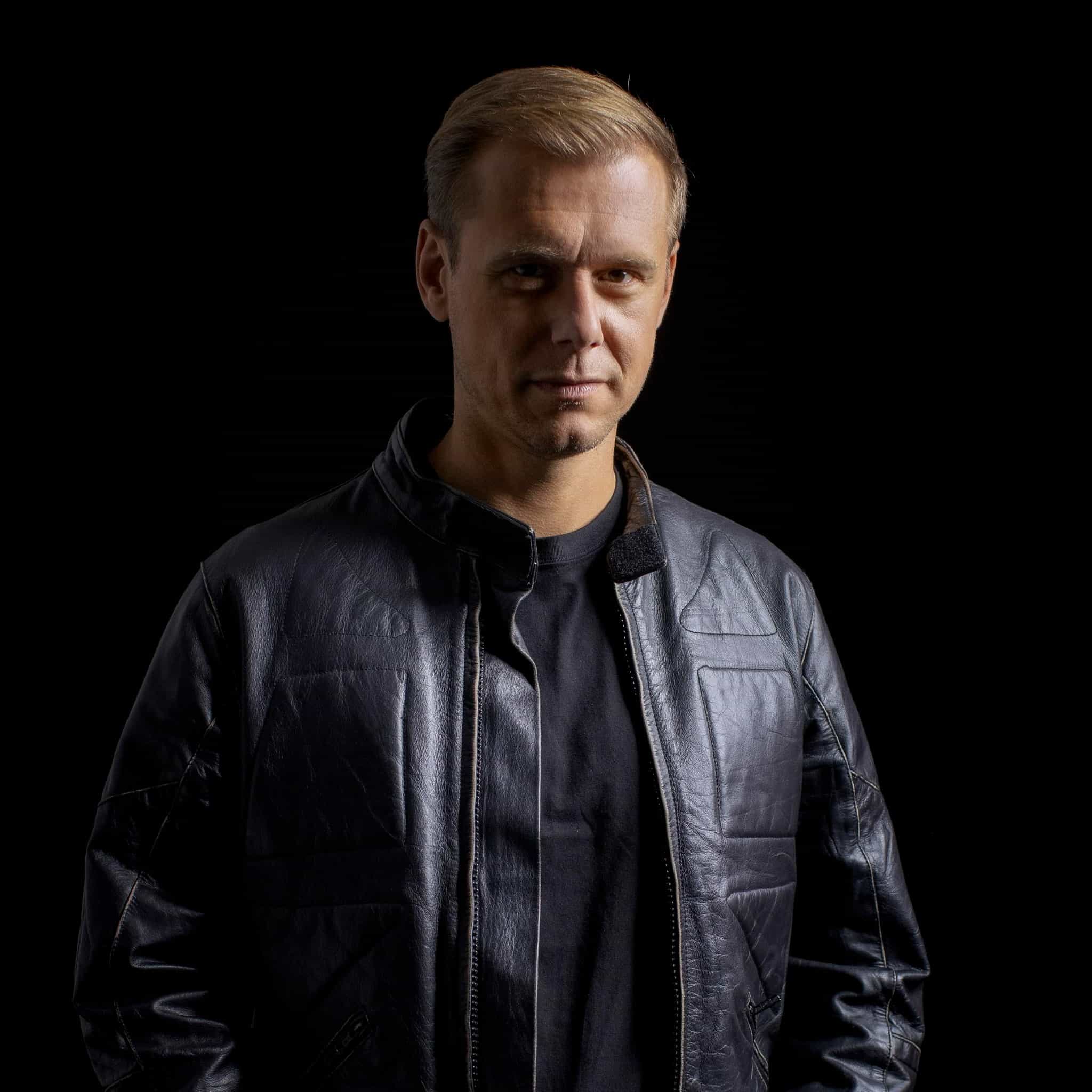
Image: Armin van Buuren / Facebook.com
Big room house and EDM were massive in the 2010s, but Armin van Buuren continued to push the trance envelope. By 2012, he was a 5 time winner of the DJ Mag Top 100, and as the decade continued, he went everywhere from Sao Paolo to Minsk in support of his A State of Trance radio show. By 2019, the show had reached over 40 million weekly listeners, a testament to van Buuren’s dedication to pushing the genre.
Eric Prydz
We all remember ‘Call On Me’, but Eric Prydz was by no means a flash in the pan. While other DJs may have higher poll rankings, Prydz has the admiration from the true heads, and that’s down to his impeccable mix style, which was on show at his EPIC events and his 2013 Essential Mix, voted best of the year by no other than Pete Tong. With a great ear for melody and the mixing chops to back it up, look no further than Prydz as one of the best of the decade.
house
Jamie Jones
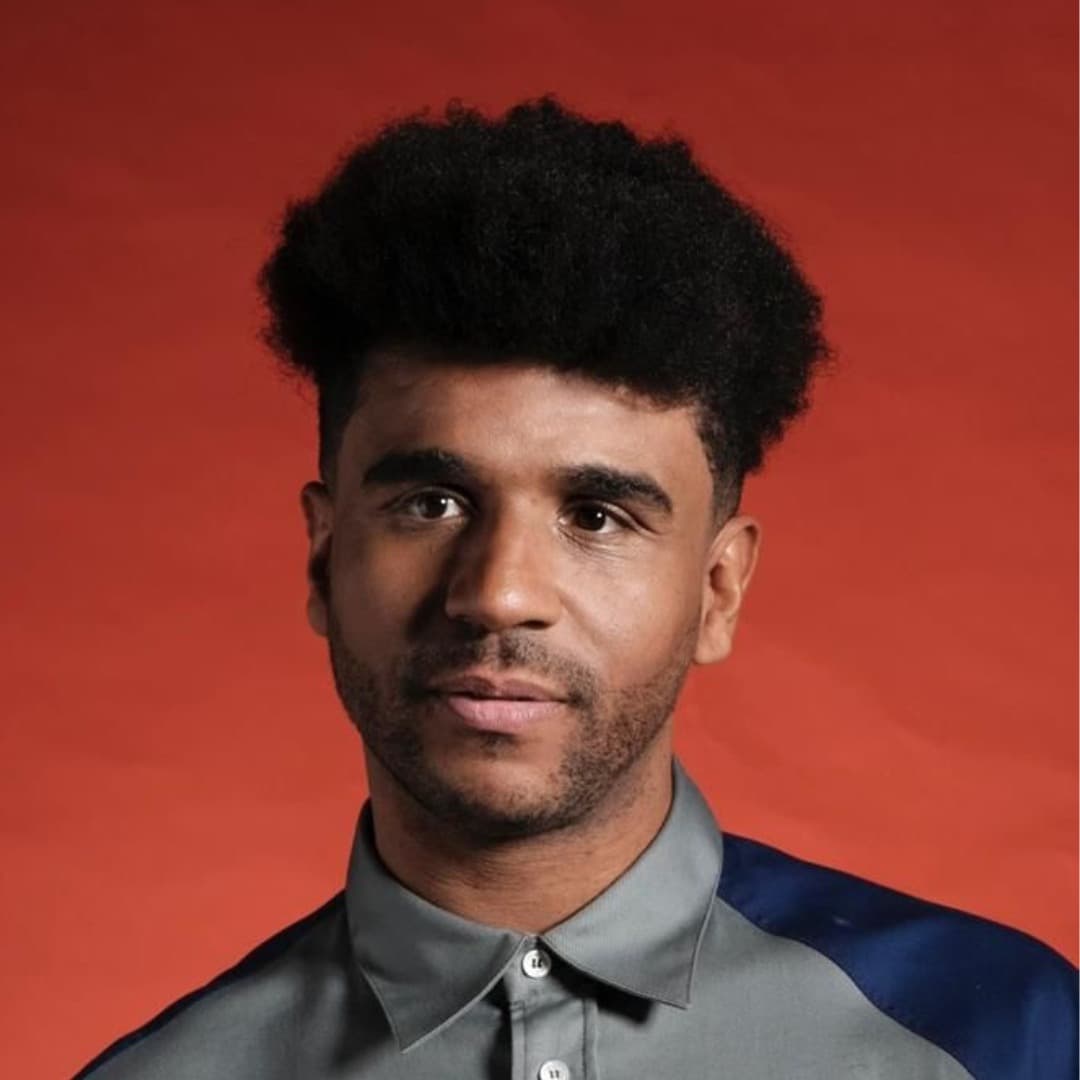
Image: Jamie Jones / Facebook.com
There’s a reason house music fans love Jamie Jones. When he’s at the controls, you can lose yourself in a sea of bone-deep grooves and body-shaking rhythms. He’s done it on home soil, abroad and in the White Isle, all while co-founding Hot Creations and producing his own material. As for Hot Creations, they’ve been pretty influential, too. The label has launched the careers of Richy Ahmed and waFF, as well as releasing massive tracks like Patrick Topping’s ‘Forget’. Through his sets and label, Jones carved out a space for the type of house music that hits your soul, took it across the globe and turned it into a full-blown movement.
Dixon
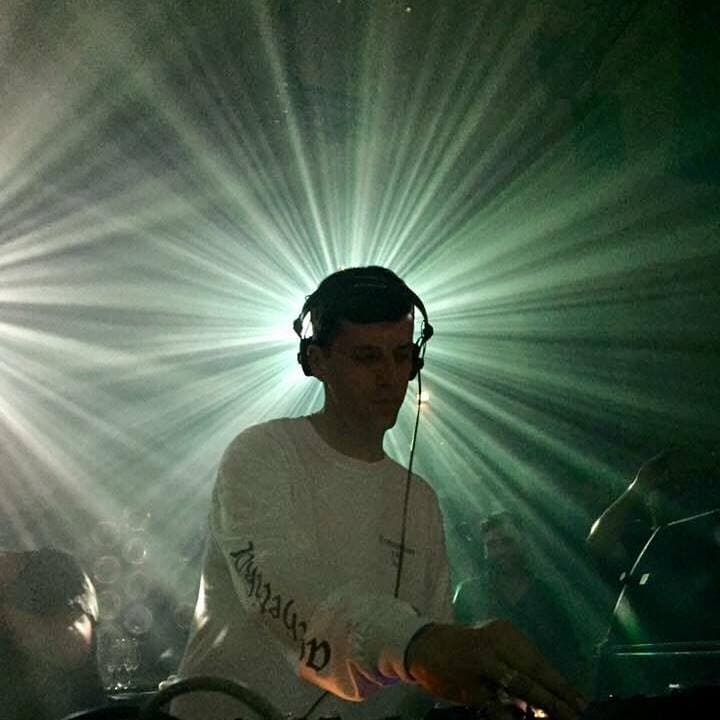
Image: Dixon / Facebook.com
Dixon could’ve been a footballer. Unfortunately, an injury derailed his ambitions, but we’re glad he ended up going down the music path. Can you imagine a world without Innervisions? No Lost In A Moment parties and no remix of ‘Shortline’? We’d rather not. As a DJ, Dixon has topped polls consecutively, all thanks to a mixing style that takes you on a gradual journey, packed with sounds that make your limbs contort. Plus, how many DJs can say they’ve been in Grand Theft Auto? Not many, that’s for sure.
The Blessed Madonna
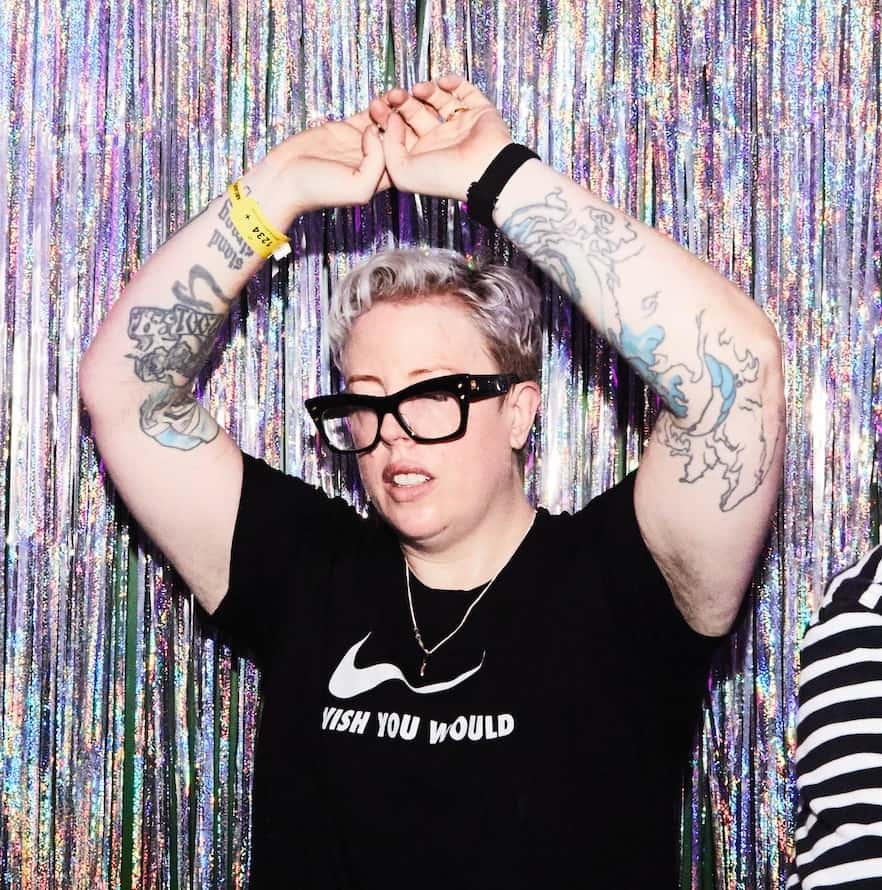
Image: The Blessed Madonna / Facebook.com
Dance music is all about freedom, and The Blessed Madonna embodies that. Just take a look at her 2015 Boiler Room set. Spectators feel the groove, friends smile and share moments, the Chicago record store turning into a dance haven soundtracked by muscular rhythms and funky disco jams. Her ability to elicit these reactions, powered at all times by a mean selection of electronic music, is exactly why she’s one of the most compelling selectors of the decade.
Bicep
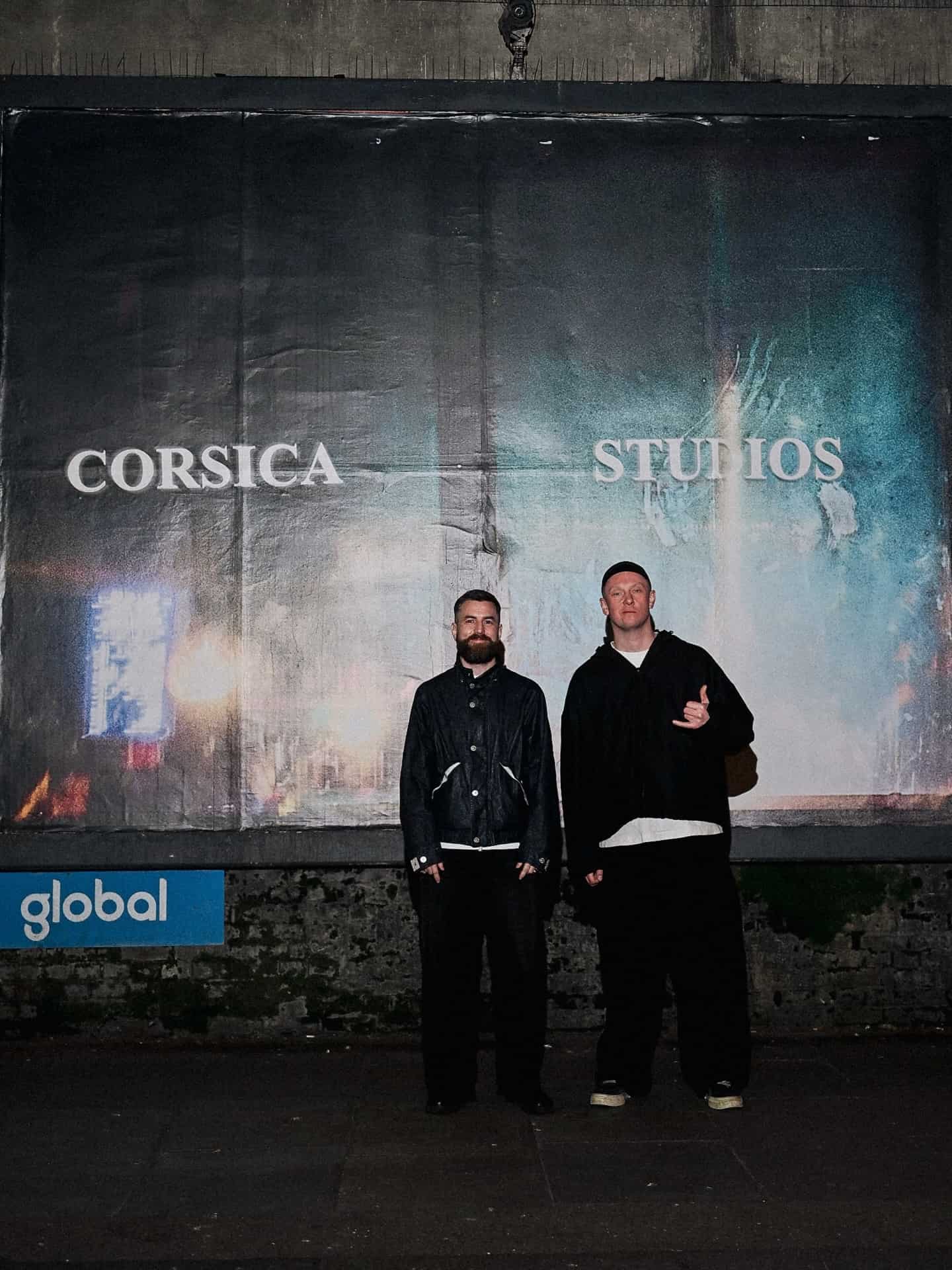
Image: Bicep / Facebook.com
How do crate diggers share music in the digital age? They start blogs. That’s what Bicep did. Their website, Feel My Bicep became a go-to for all things rare in house and disco. It bled into their sets, too. By the 2010s, the Belfast duo became one of the leading names in the scene, delivering sets packed with deep house, both new and old. This approach to crate digging turned many on to tunes they’d never have encountered otherwise, sparking a 90s house revival that dominated dancefloors and festival stages.
Skream
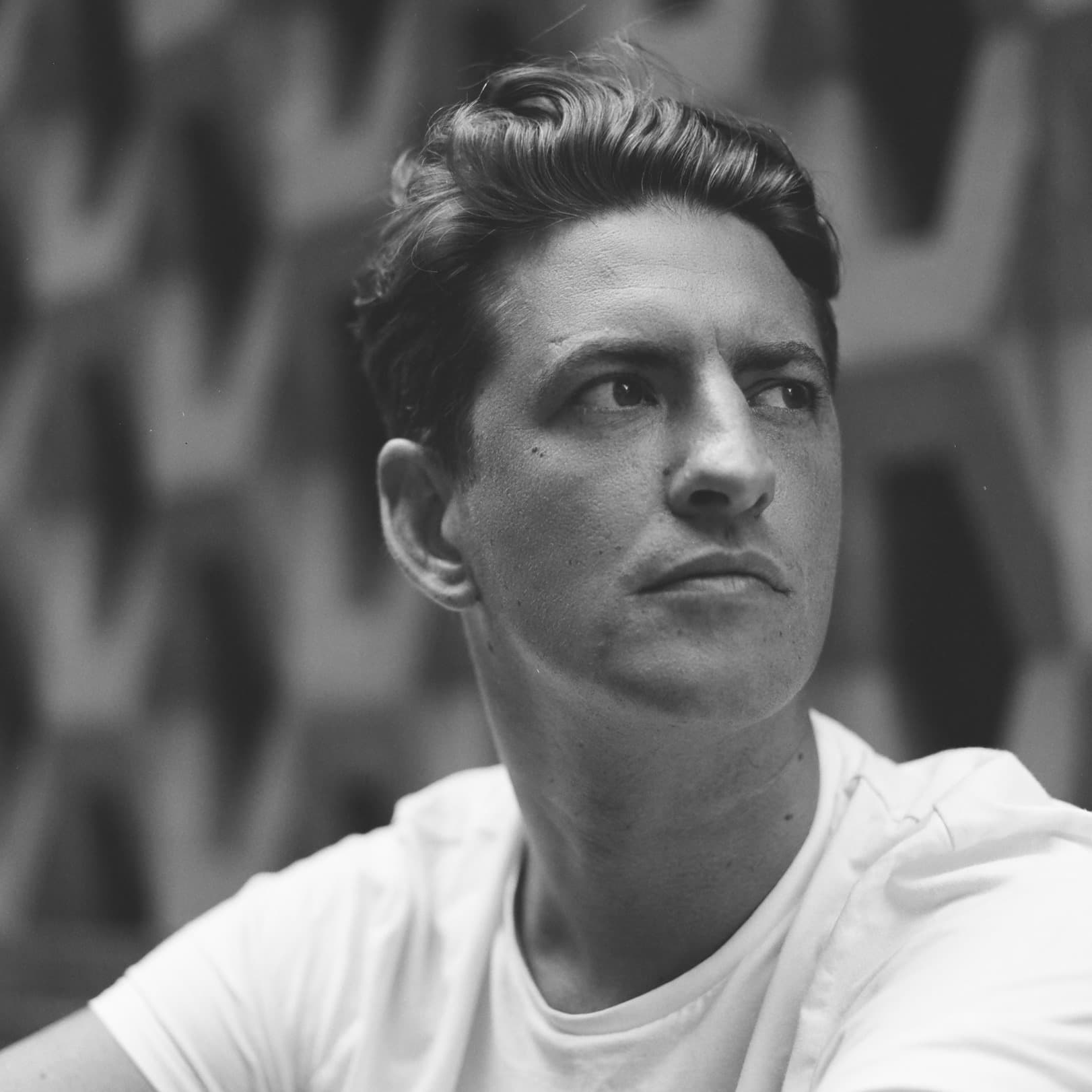
Image: Skream / Facebook.com
Switching from house to techno in a set is pretty standard. But switching from dubstep to house, techno and disco when you were essentially the poster boy for the genre, is another thing entirely. Skream pulled it off, though. That’s down to a deep love and appreciation of house and disco, an enthusiasm for making people dance and, of course, watertight mixing. Always full of energy behind the decks, you know you’re in for a ride when you watch a Skream set.
Ben UFO
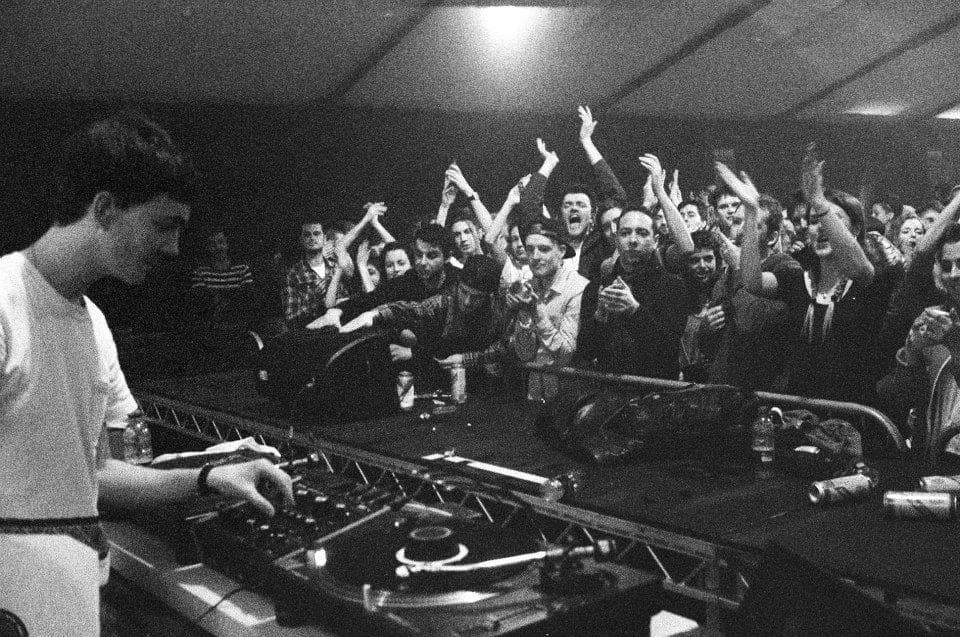
Image: Siobhan Walsh / Facebook.com
When it comes to pure DJs, you can’t go wrong with Ben UFO. He’s straddled a few eras as a selector and co-founder of Hessle Audio, first riding the post-dubstep wave and eventually moving across house, techno and its adjacent genres. But the real reason Ben UFO is on this list is his ability to expose crowds to sounds they love before they even know they love them. It could be old music or new artists, but rest assured, you’ll find your new favourite tune after listening to one of his sets.
Seth Troxler
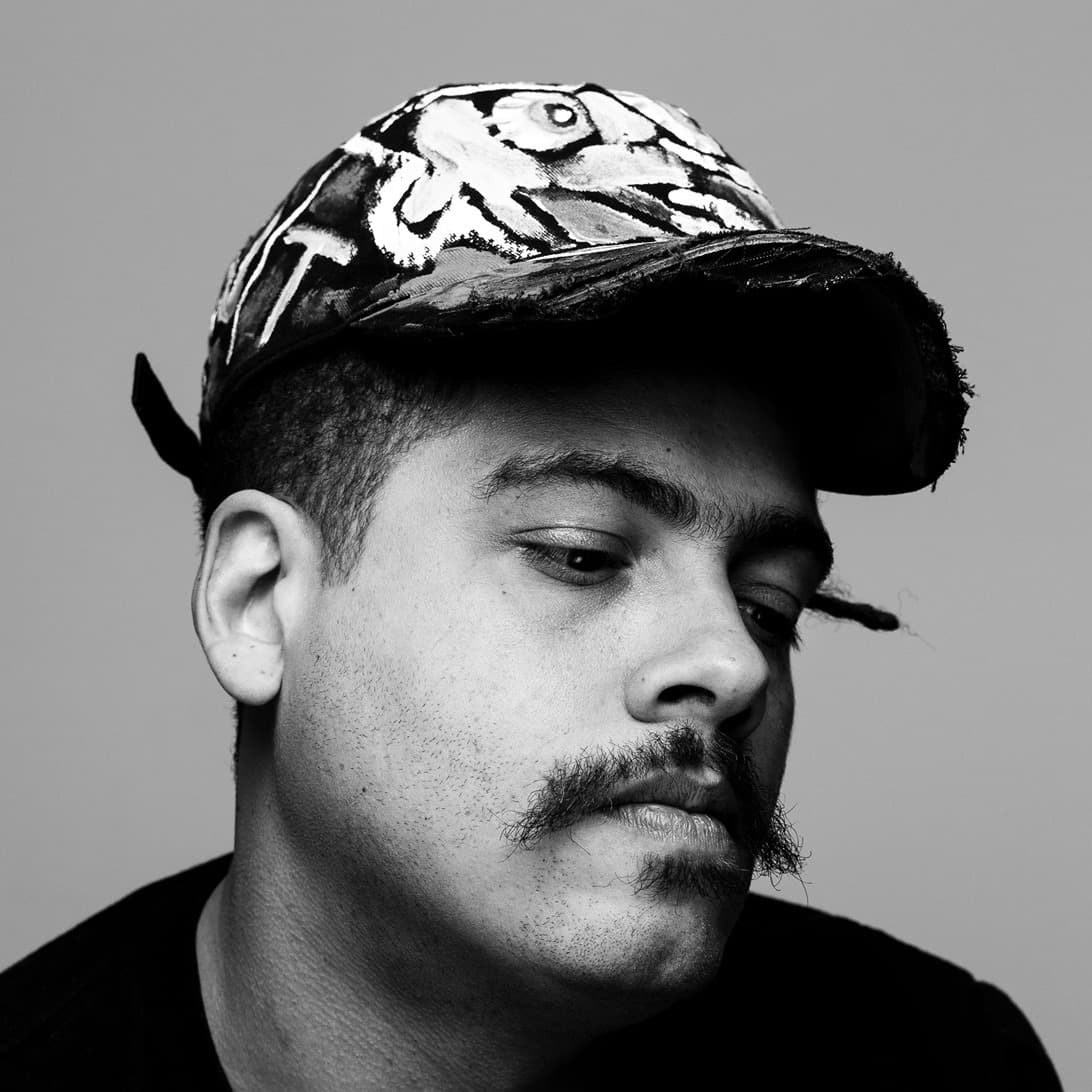
Image: Seth Troxler / Facebook.com
It feels like Seth Troxler was born to DJ. Raised in Detroit and soaking up the city’s legendary house and techno scene from the tender age of 15, he eventually relocated to Berlin and spent his 20s tearing up the club scene. Armed with wit, character and most importantly, a world-class record collection, Troxler felt like a breath of fresh air to the scene. Go and watch his set alongside Jackmaster, Skream and Eats Everything, and see why he quickly became one of the decade’s most in-demand selectors
techno
Carl Cox
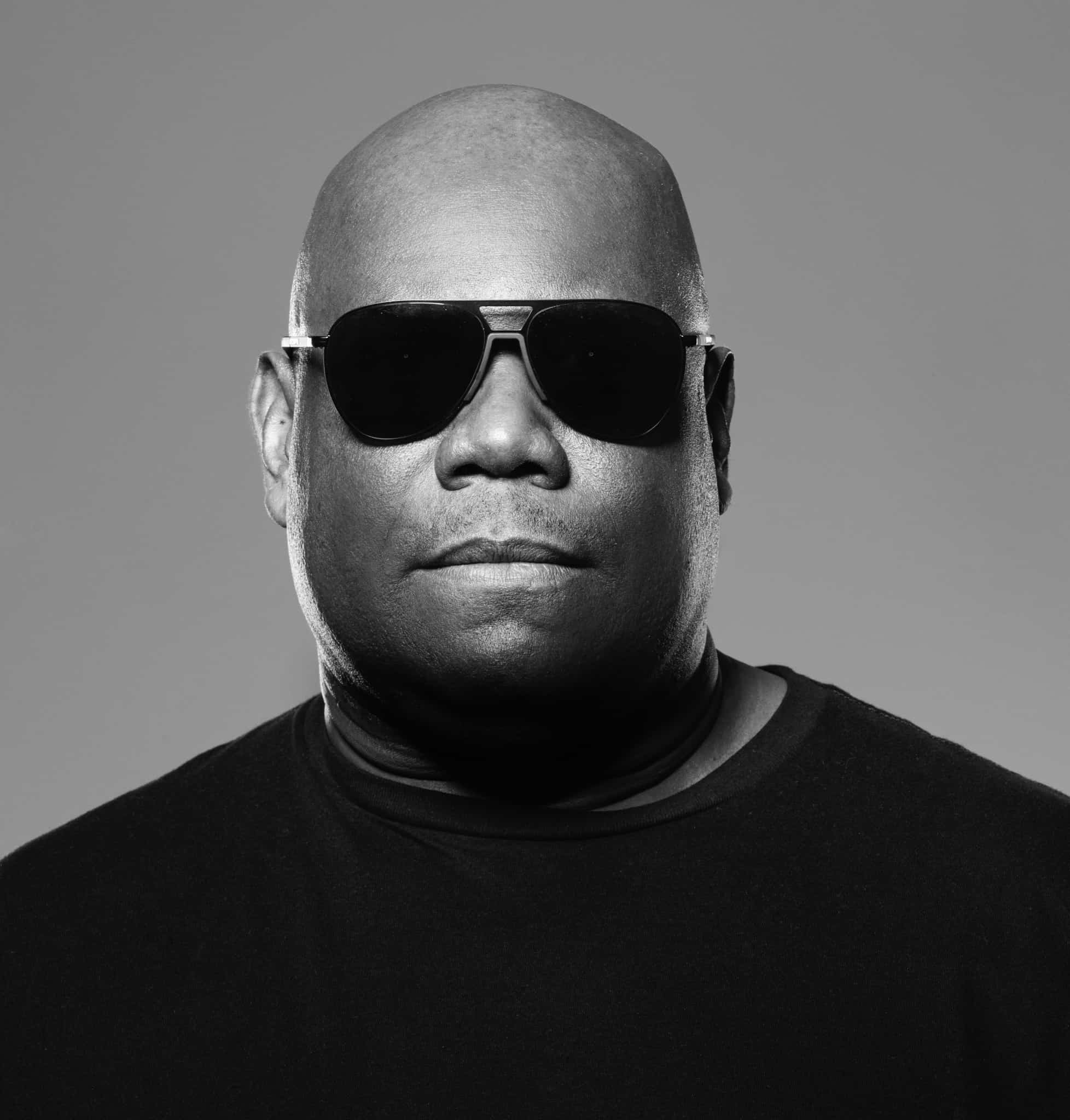
Image: Carl Cox / Facebook
By the 2010s, Carl Cox wasn’t ready to put the brakes on just yet. His legendary residency at Space was in full force, giving White Isle devotees the party of their lives, with forward-thinking lineups and impeccable selections up until its close in 2016. He also moved into curation, reviving his old label Intec and turning it into a key outpost for techno releases in the first half of the 2010s. He also played Stonehenge. Yeah, that’s right: Carl Cox, techno legend, spun records in a world-famous prehistoric site. It’s the type of thing you can only pull off when you’ve reached godfather status, and Carl Cox had done just that.
Nina Kraviz

Image: Nina Kraviz / Facebook.com
Nina Kraviz went from dentist to DJ, and what was the dental industry’s loss was the electronic scene’s gain. In five years, she released a debut album, mixed the 48th DJ-Kicks compilation and was crowned Mixmag’s DJ of the Year. A pretty swift rise, then. But what’s behind the accolades? Well, for us, it’s all about style. Whether she’s deploying acidic bangers or pulsating techno cuts, Kraviz always keeps the crowd on their toes.
Richie Hawtin
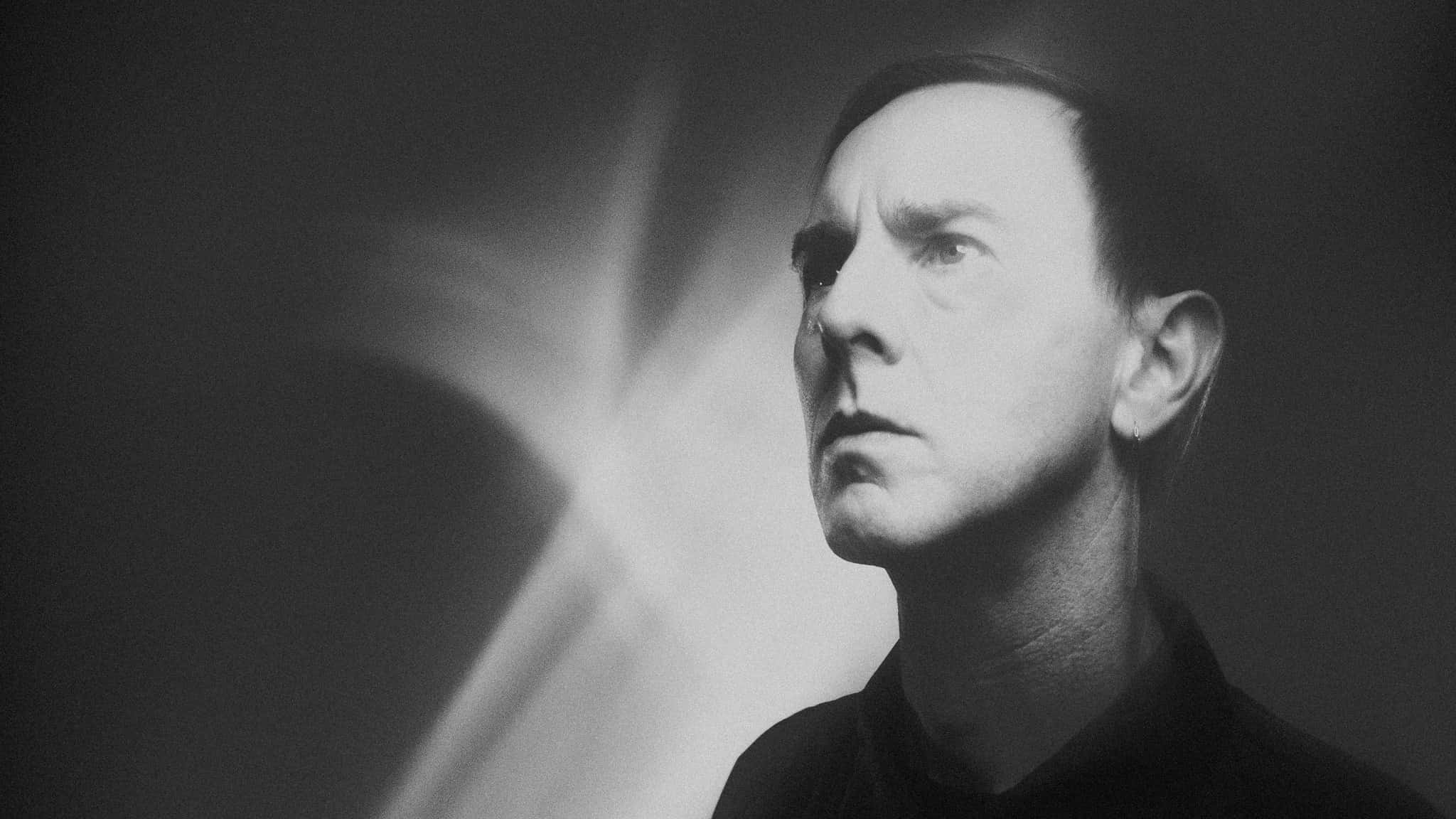
Image: Richie Hawtin / Facebook.com
The word innovator is thrown around lightly these days. But Richie Hawtin? He deserves the title. Not content with simply standing behind the decks throughout the 2010s, he put together A/V shows at art galleries and turned Space Ibiza into an off-the-wall techno experience that subverted expectations of the island. That’s without mentioning his CLOSE live show, which pushed the boundaries of DJing itself. A trailblazer in the truest sense, we’re not sure where the scene would be without Richie Hawtin.
Ricardo Villalobos
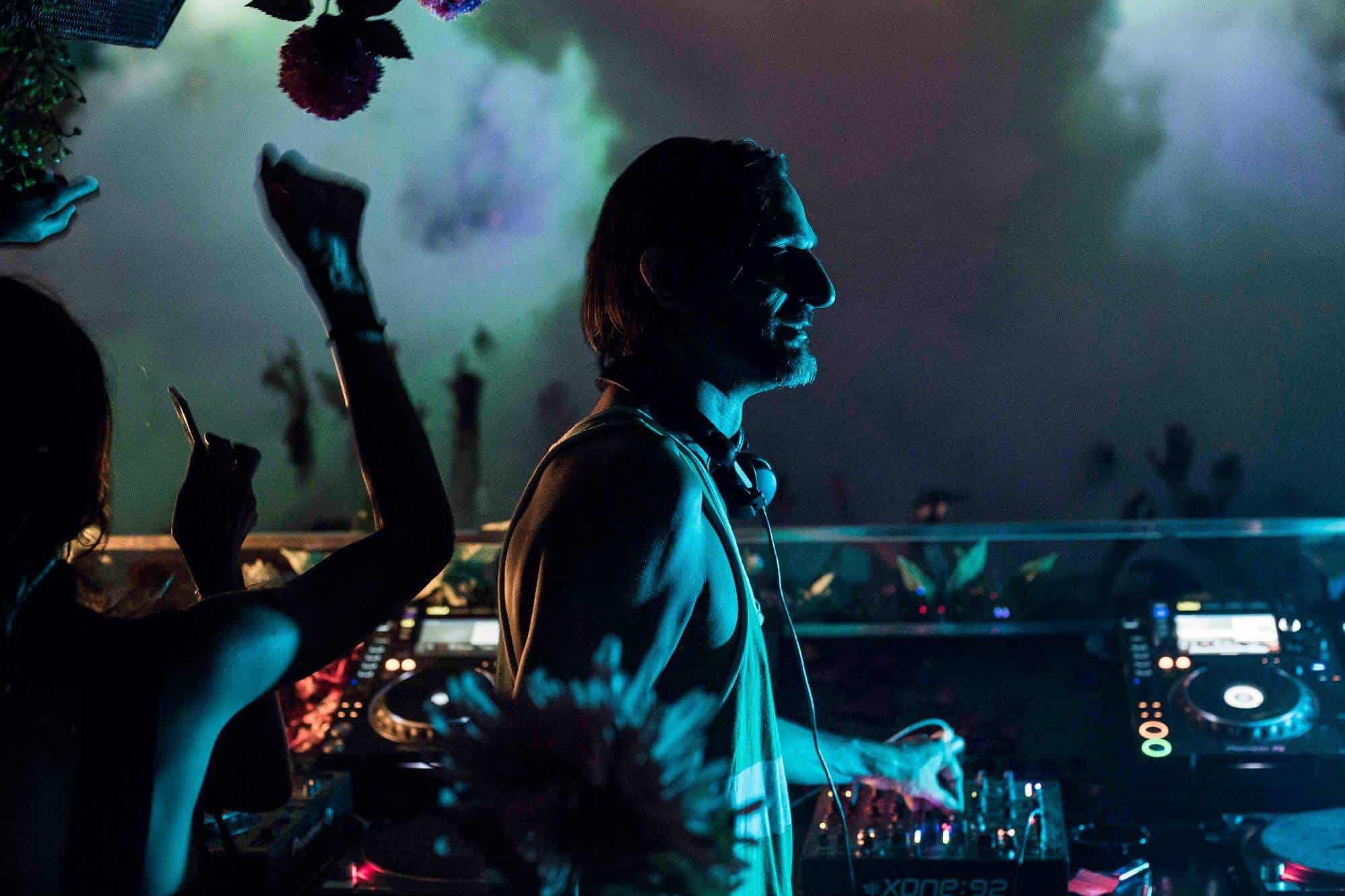
Image: Ricardo Villalobos / Facebook.com
Minimal mastermind Ricardo Villalobos continued to take the techno world by storm in the 2010s. Alongside playing the usual marathon sets he made his name on, he was also reworking jazz and contemporary classical numbers into techno explorations. With appearances at major festivals throughout the decade, he delivered his performances with the usual character that fans came to love him for, and of course, the tunes were banging.
Ben Klock
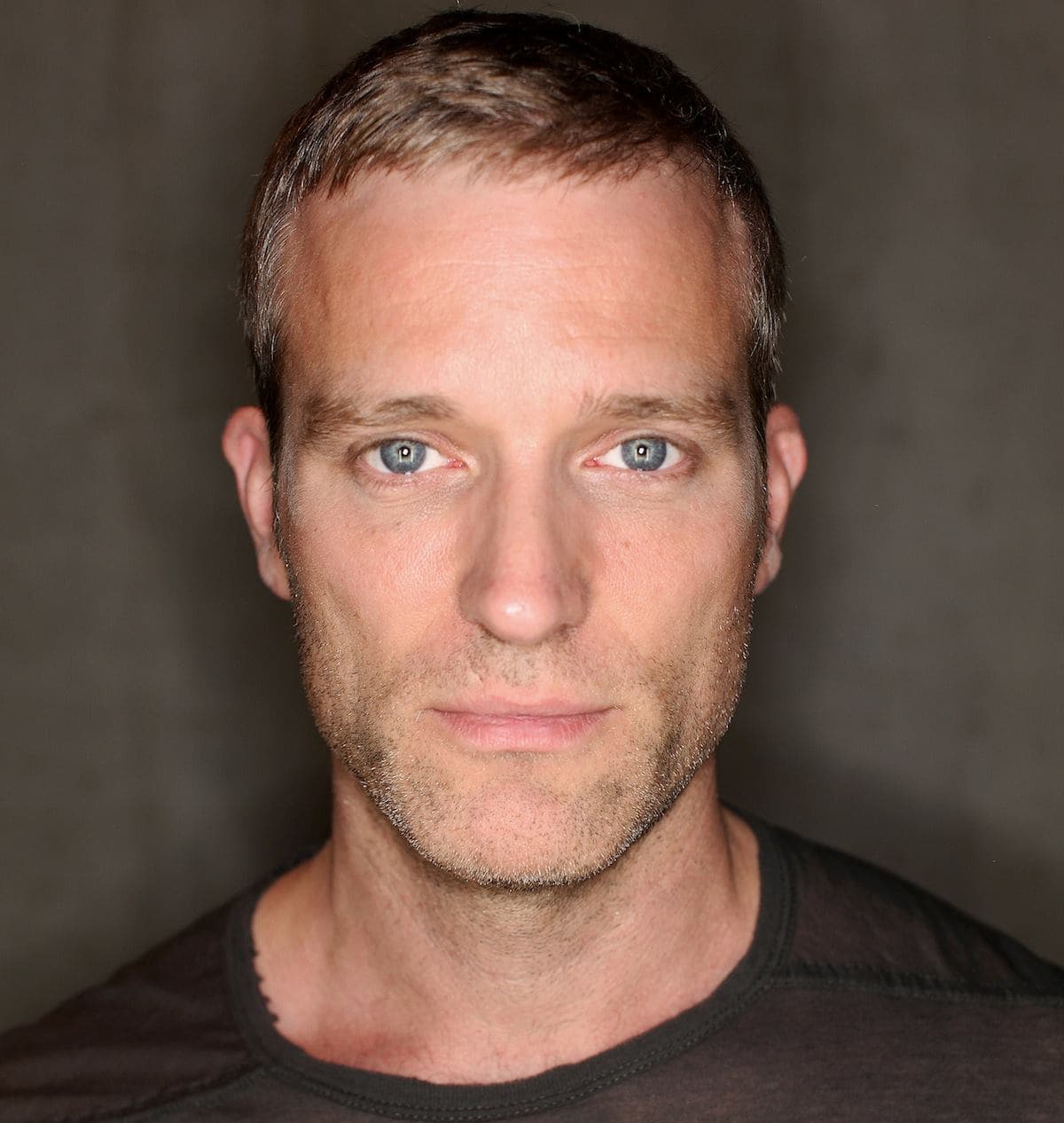
Image: Ben Klock / Facebook.com
Ben Klock has gone on record as saying that if he hadn’t bagged his Berghain residency in the 2000s, he’d have quit DJing. Thank heavens that didn’t happen. The slot – which he still holds today – laid the foundation for Klock, and by the 2010s, he was recognised as one of Berlin techno’s most prominent figures. On his Fabric 66 and 2015 Essential Mix, Klock showcased a driving, rhythmic techno style that became the benchmark for the genre, and with his Klockworks label he helped break new artists and sounds.
footwork
DJ Rashad
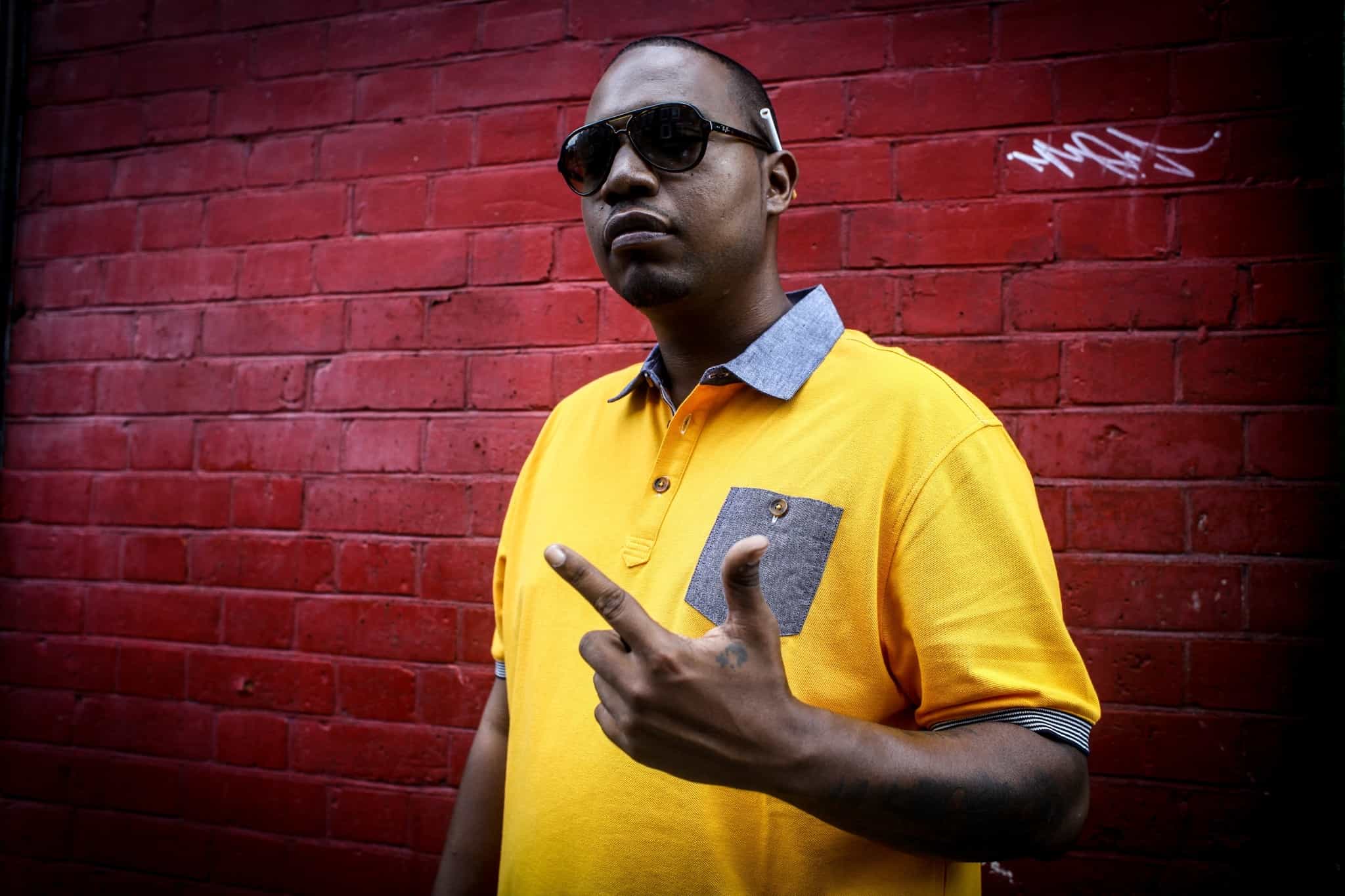
Image: DJ Rashad / Facebook.com
DJ Rashad was the face of footwork. As figurehead of the Teklife crew, he took the sound across the USA, into Europe and the UK, providing a blueprint for those who’d come after him. Under Rashad’s watch, footwork went from a localised, dance battle sound from Chicago to a global electronic music movement. He sampled the soul greats, warping their music into something people hadn’t heard before. While he sadly passed away in 2014, his influence lives on. The rest of the Teklife crew continues to push footwork forward, and current-day electronic superstars like SHERELLE weave the sound into jungle and drum and bass.
RP Boo
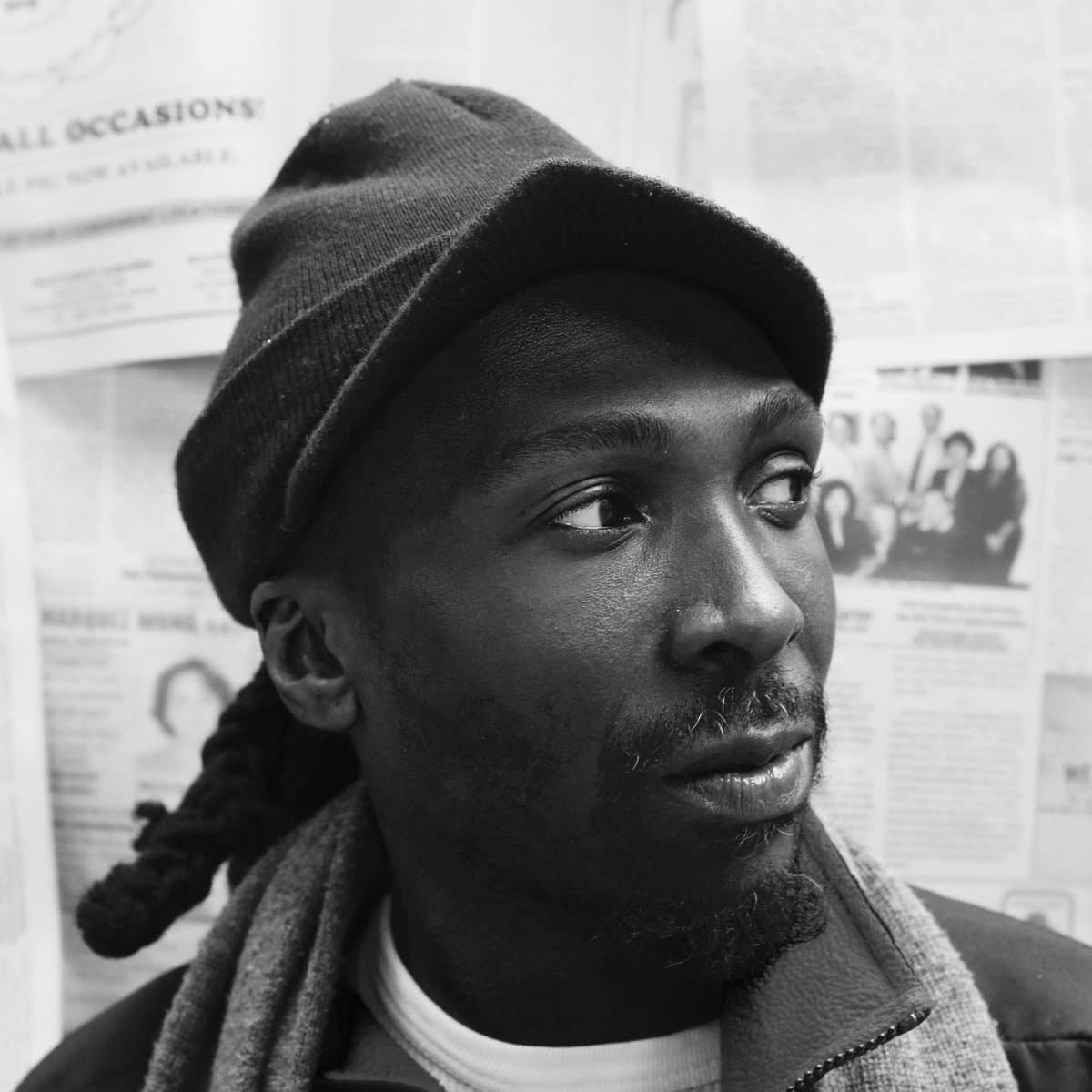
If Rashad was the face, RP Boo was the foundation. A former dancer and later DJ and producer, his 1997 track ‘Baby Come On’ sped up the sound of ghetto house, footwork’s direct predecessor. Once esteemed label Planet Mu released Bangs & Works, RP Boo remained at the forefront. The genre’s newfound popularity allowed him to take the sound across the world, while also giving him a platform to discover new sonic terrain within the genre.
Traxman
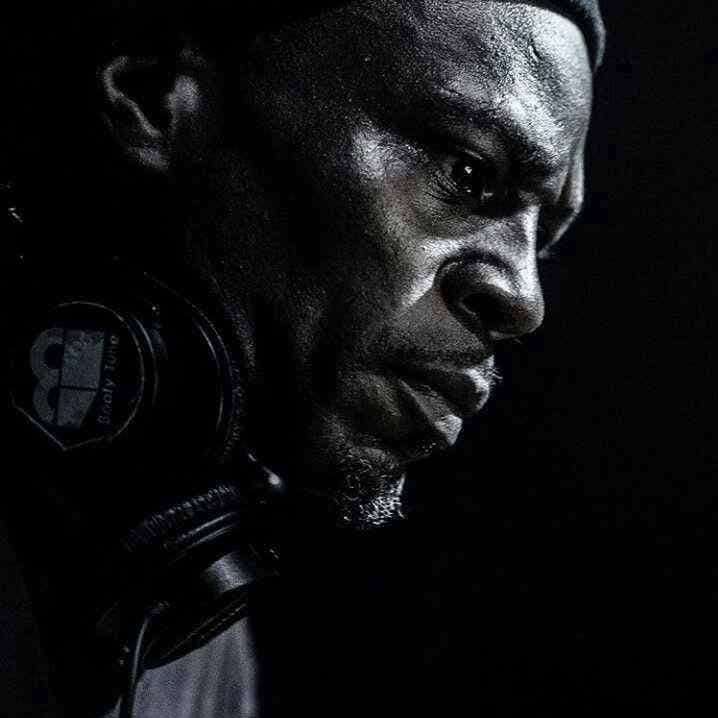
Image: Traxman / Facebook.com
At 8 years old, most of us were still playing with toys. Not Traxman. He’d already begun DJing, and that early passion turned him into a lifelong crate digger. It’s no surprise that his early experiences sharpened his ear for production, either. Take ‘Footworkin On Air’, for example. It reroutes the skittering footwork sound into something melodic and expansive, like a carefully crafted oil painting as opposed to a free form modern art piece. A creative force on the buttons and behind the decks, we can thank Traxman for pushing the sound to its limit.
DJ Spinn
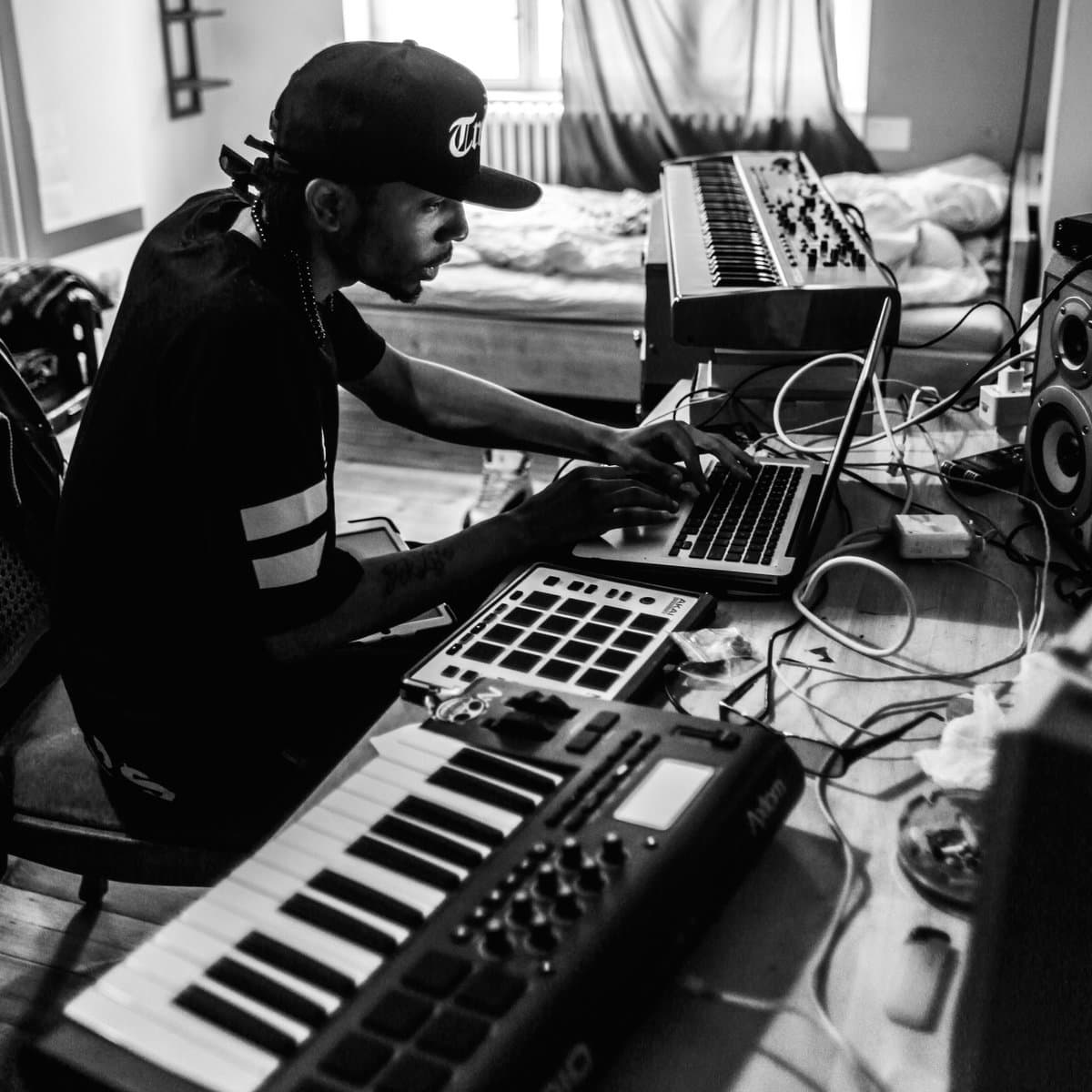
You could say that DJ Spinn was the Robin to DJ Rashad’s Batman. The pair met in school, first bonding over a love of ghetto house and eventually going on to form Teklife. But he wasn’t just a foil. One of the artists to help push the scene further, his solo work chopped up rap and soul samples into maze-like rhythms, bringing a vivid, technicolour feel to the footwork genre. And as for his DJ sets? They were relentless, sending dancers across the globe into a frenzy.
DJ Earl
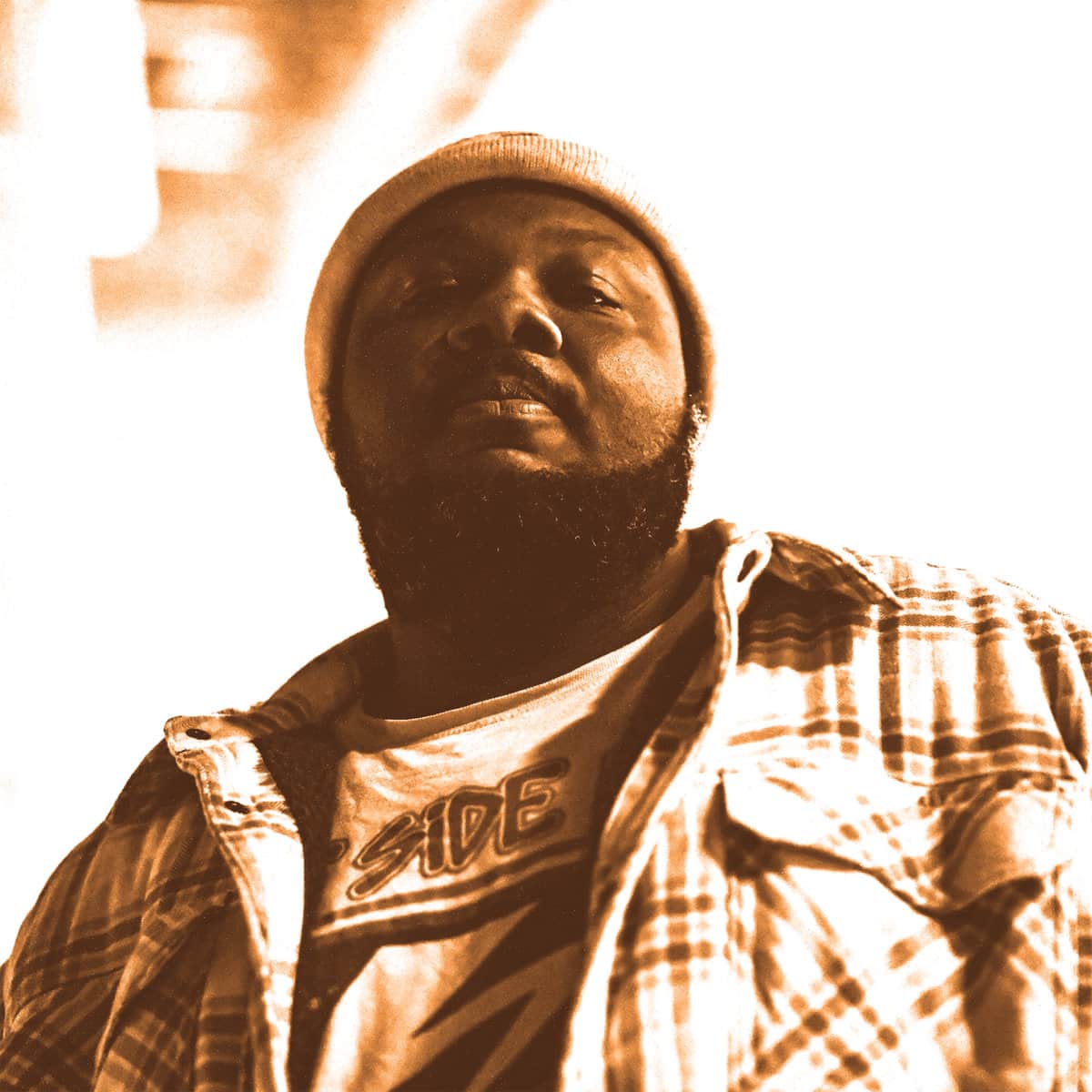
When Rashad and Spinn were tearing up the Chicago footwork event, Battle Groundz, DJ Earl was transfixed. Initially from a jazz and orchestral background, Earl would eventually join Teklife, spending the mid to late 2010s carrying the torch with the rest of the crew. His musical background influenced his music, with jazzy piano and horn samples being his forte, giving the sound a fresh star to get behind.
bass
Loefah
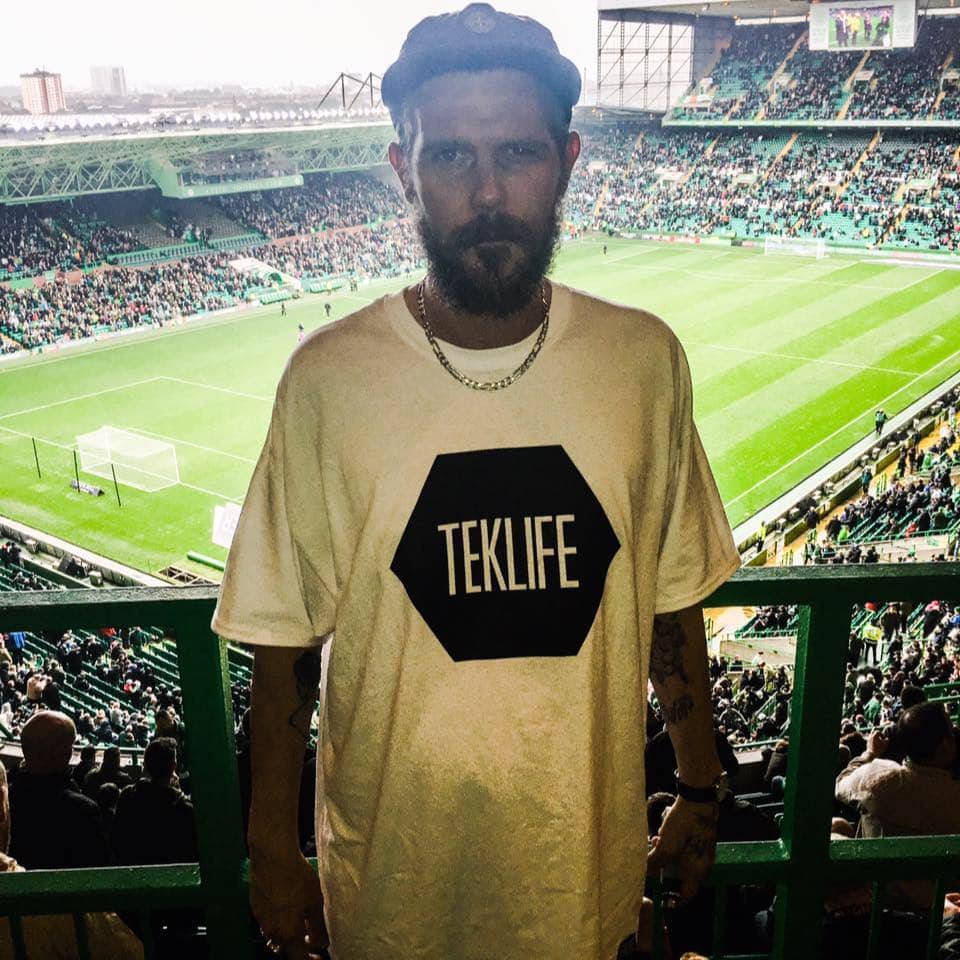
Image: Loefah / Skiddle.com
By the 2010s, Loefah had moved on. The new tearout style of dubstep wasn’t cutting it, so he kicked off the decade with a new venture: Swamp 81. The label blended cavernous low-end with acidic techno-style synths and rhythms. Armed with tracks like ‘Footcrab’ by Addison Groove and ‘Swims’ by Boddika and Joy Orbison, Loefah helped push UK bass music into a fluid direction where vibe trumped genre tag. His sets at the time were packed with bassline pressure, his 2010 set at Outlook Festival an example of the style in full effect.
Elijah & Skilliam
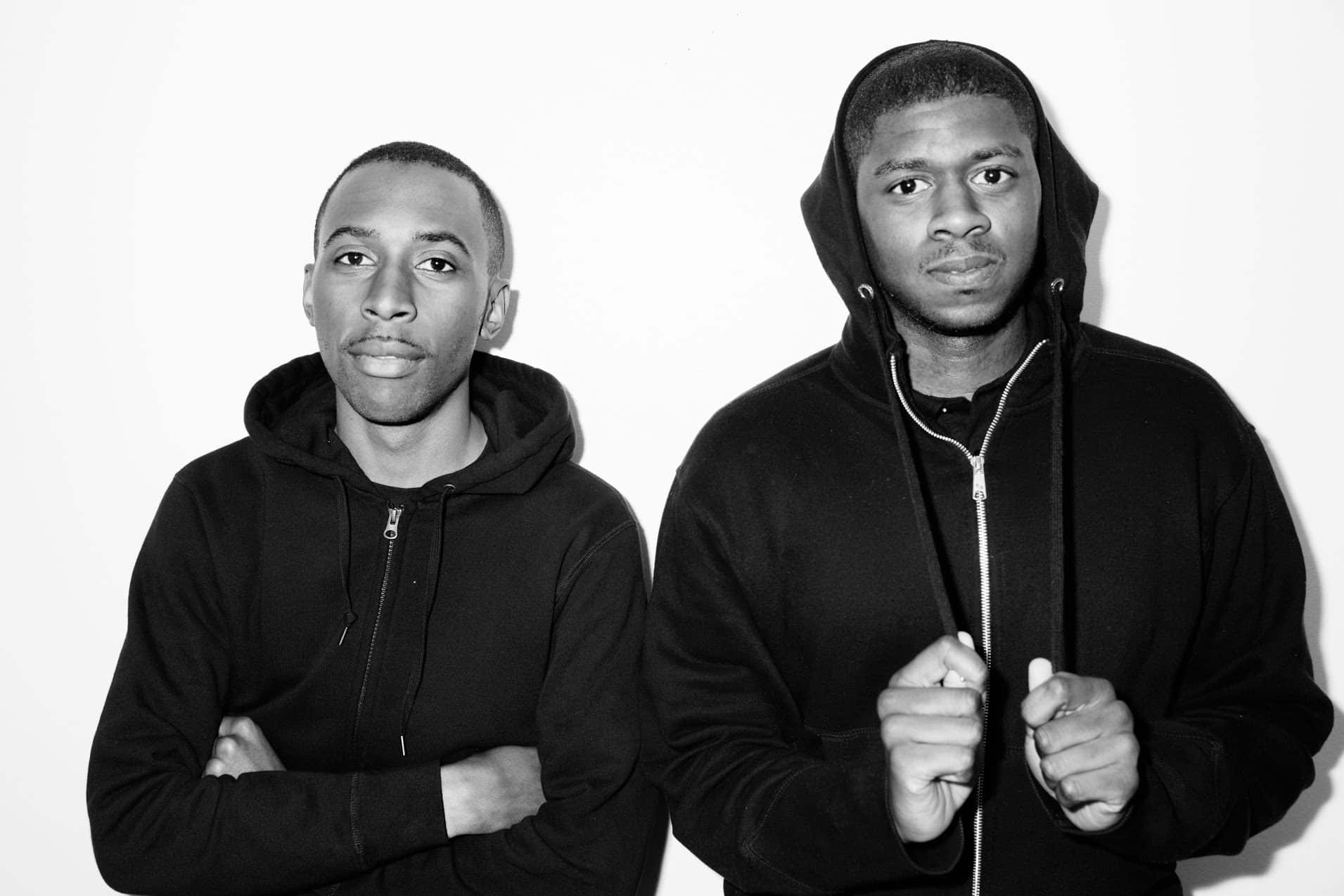
Image: Elijah & Skilliam / Facebook.com
Where would grime be without Elijah & Skilliam? Perhaps best known for their work running the label Butterz, they took cues from adjacent underground labels like Hyperdub, bringing a slick visual identity and a stable of banging tunes to the genre. The colourful, vivid sound from Butterz also helped bring grime back to the clubs. Once the mid-2010s resurgence arrived, Elijah & Skilliam were perfectly placed to represent it. Their mix CDs from 2015-17 captured a snapshot of the scene at its highest, and they brought the sound to Leeds and Manchester with their Jamz nights. As DJs, they pushed a fresh sound, as label owners, they carved out a lane that would inspire others.
Bok Bok
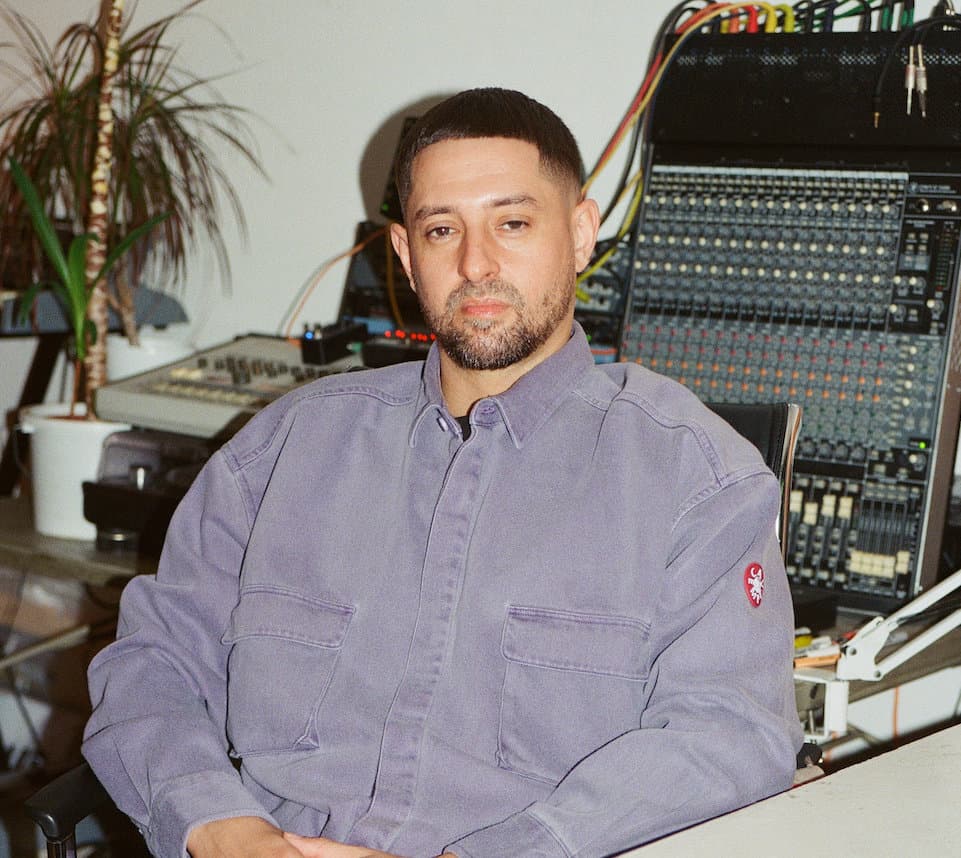
We’re not sure underground club music would be the same without Bok Bok. As co-owner of label and party series Night Slugs, he helped to usher in a new mutation of UK club music. While homegrown sounds like grime, funky and bassline played a part, so did Baltimore club and ghettotech. The result? A futuristic hybrid, with Bok Bok’s sets packed full of neon synths, militant grime rhythms and house flavours from a cohort of producers like Jam City, Girl Unit and Mosca. The approach put Bok Bok and the Night Slugs camp on the map, helping to bring together a global underground community in the process.
Four Tet
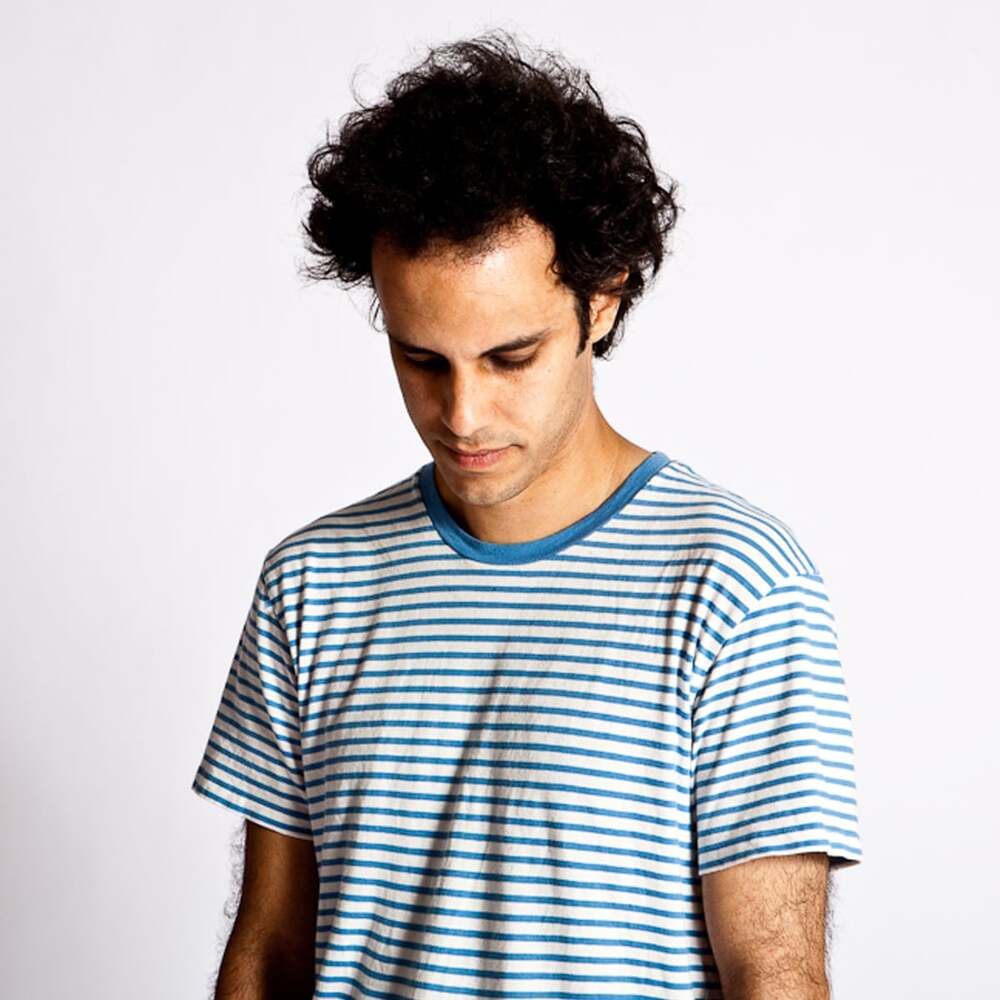
We’d call Four Tet ‘eclectic’, but that’s been done to death. So let’s pull out the big guns: multifarious. That’s right, Four Tet’s DJ style is multifarious, having many varied parts. Don’t believe us? Listen to Fabriclive.59, where he’s effortlessly spinning rhythmic UKG. Or, go ahead and spin his Diplo & Friends mix, where hip-hop, rap, soul and grime sit seamlessly together. For one final suggestion – and you’ll need a bit of time for this one – check out his swan song for Plastic People in 2015. He and Floating Points go B2B for a five-hour marathon of jazz, funk, electronic and more. Throughout the decade and beyond, he never stuck to one lane, and that’s why he’s one of the best DJs of the 2010s.
Oneman
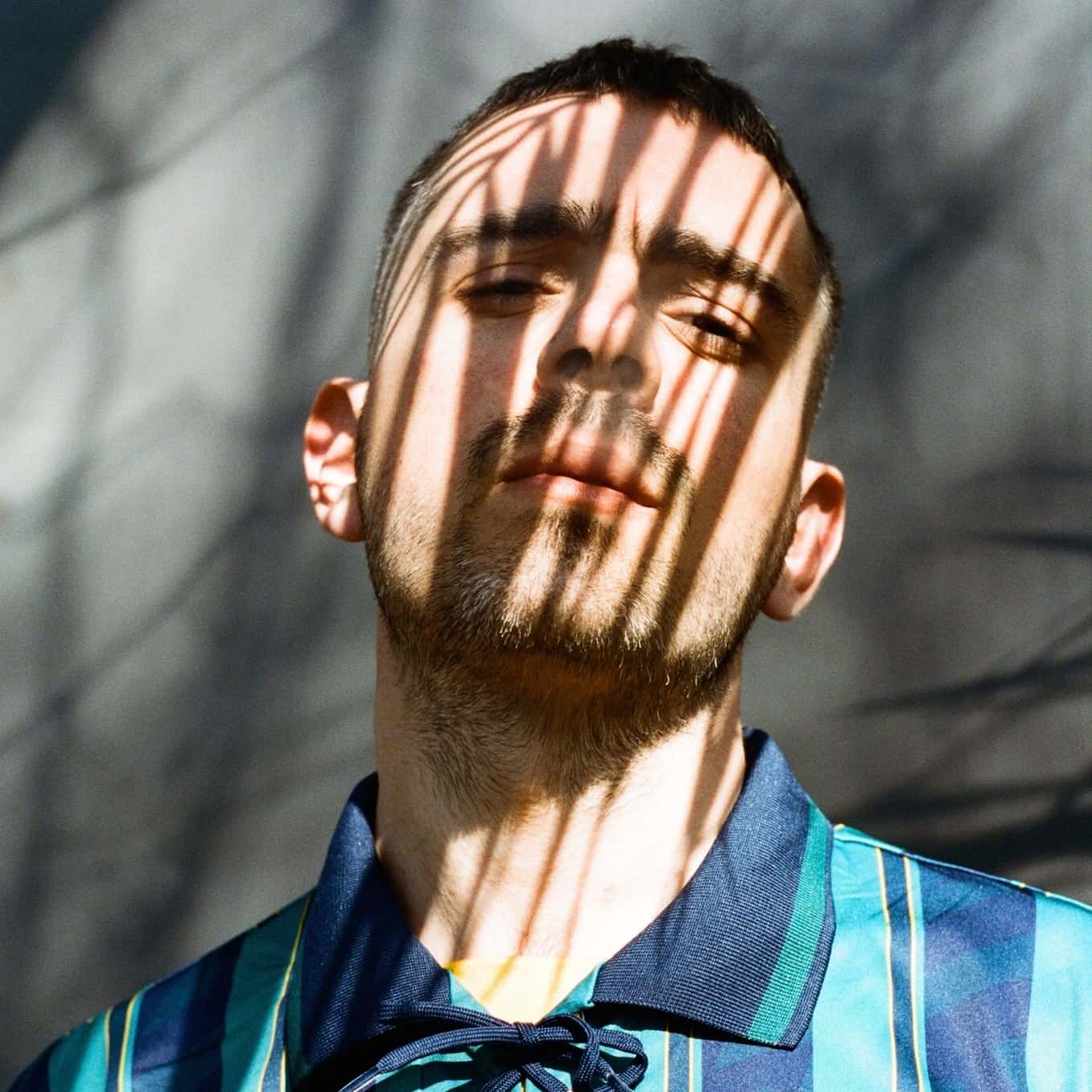
Image: Oneman / Facebook.com
Like Oneman, loads of DJs grew up buying tape packs, pored over pirate radio and graduated to raving at DMZ. So what sets him apart? We reckon it’s about vision. Rather than pump out a few tunes and capitalise on the hype, Oneman stuck to his guns as a pure DJ, juggling grime, garage, UKG, dubstep and hip-hop, mostly in the same sets. He also platformed the bass hybrids found on Swamp 81 and Night Slugs, always a champion of the new. It’s an approach that’s seen him tour the world, be a mainstay on Rinse FM and be regarded as a key tastemaker throughout the decade and beyond.
From festival mainstages to underground dancefloors, the 2010s reshaped electronic music in every corner. Whether you were there for the EDM explosion or deep in the club scene, these DJs didn’t just soundtrack the decade; they defined it. Plus, a lot of them are still at it. Click HERE for electronic music events in the UK and see if you can find a selector from the list.
Follow us on Instagram, TikTok, Threads, Facebook, and YouTube for the latest music and events content.


Read more news



Articles you may be interested in
related artists


Gigs ● Clubs ● Festivals ● Things to do
“On your side since 2001, because we believe true fans deserve a fairer and smarter way to discover events they love.”
Why use Skiddle?
- Rated 5 stars on reviews.co.uk
- Over 17 million tickets sold
- Over 4.3 million happy customers
- Skiddle Supports - Together, we are More Than A Ticket
- Official Primary Ticket outlet
- Established 2001
- Support the Fanfair Alliance
- Sustainability - Make a positive impact
© 2001 - 2026 Skiddle Ltd | Skiddle is a registered trademark | ALL RIGHTS RESERVED