


The best bands of the 1960s
From The Beatles and The Rolling Stones to The Supremes, Pink Floyd and The Stooges, explore the best bands of the 1960s and how rock, soul, folk, psychedelia and blues rock changed music for future generations.
Date published: 6th May 2026
We've looked at the best bands of the 1990s and the 2000s, but now we're looking back. The 1960s were a decade of inspiration. Clothes became brighter, art became bolder, and music became more experimental. Bands popped up and popularised new sounds in the blink of an eye, while producers pioneered new studio techniques to turn the album from a collection of songs to a statement of artistic intent.
As music, fashion, art and politics all intertwined, culture hurtled forward at an incredible speed. Young people of the day had an identity to get behind, and they expressed that through their favourite artists.
But enough from us, here are the best bands of the 60s.
rock
The Beatles
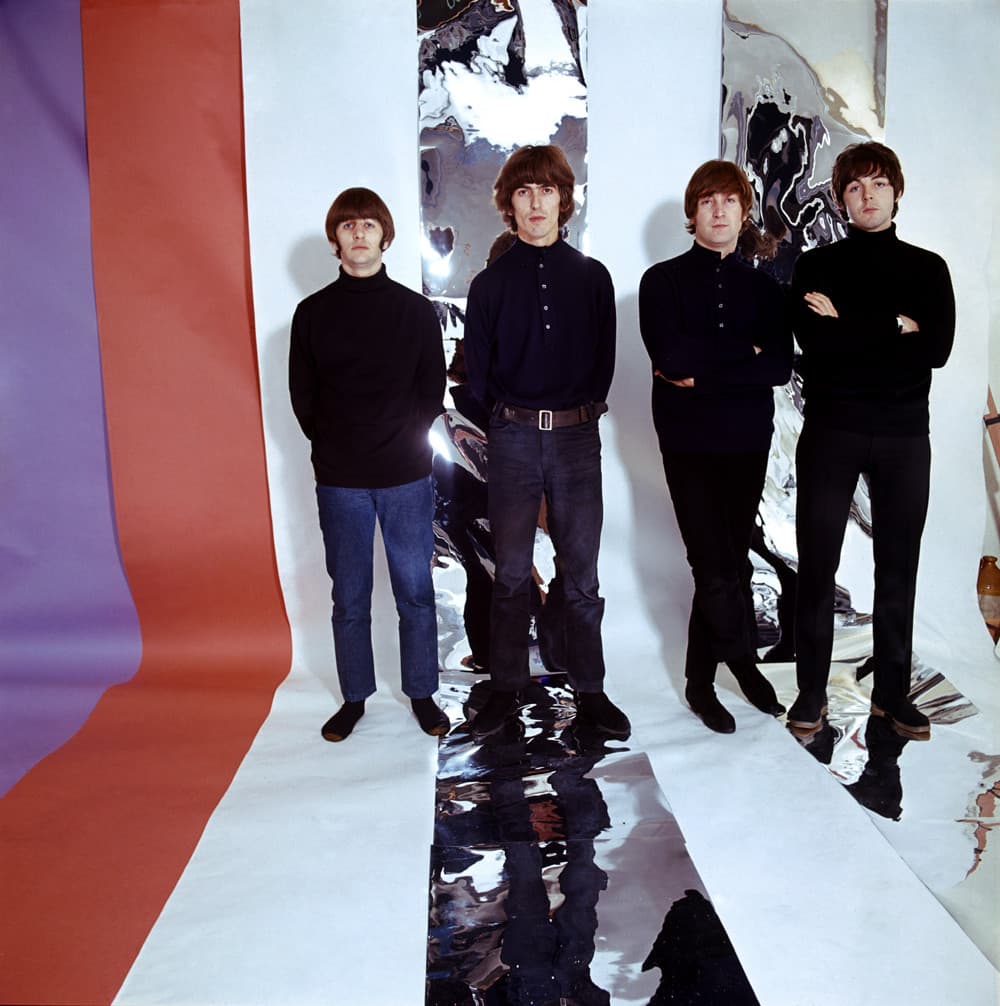
Image: The Beatles / Facebook.com
Is there a more influential band than The Beatles? After all, they were one of the first to use studio techniques like artificial double tracking and guitar feedback on their songs. Alongside these feats, they produced hit after hit, and their sound evolved rapidly over their 11-year stint as a band. Take ‘A Hard Day’s Night’ and ‘Eleanor Rigby’ – both bangers – released within three years of each other. They sound like completely different bands.
Through albums like Rubber Soul, Revolver and Sgt. Pepper’s Lonely Hearts Club Band, The Beatles lit the spark for entire scenes, inspiring would-be musicians to create sounds previously unheard of. We’d be doing everyone a disservice if we didn’t kick this list off with John, Paul, George and Ringo.
The Rolling Stones
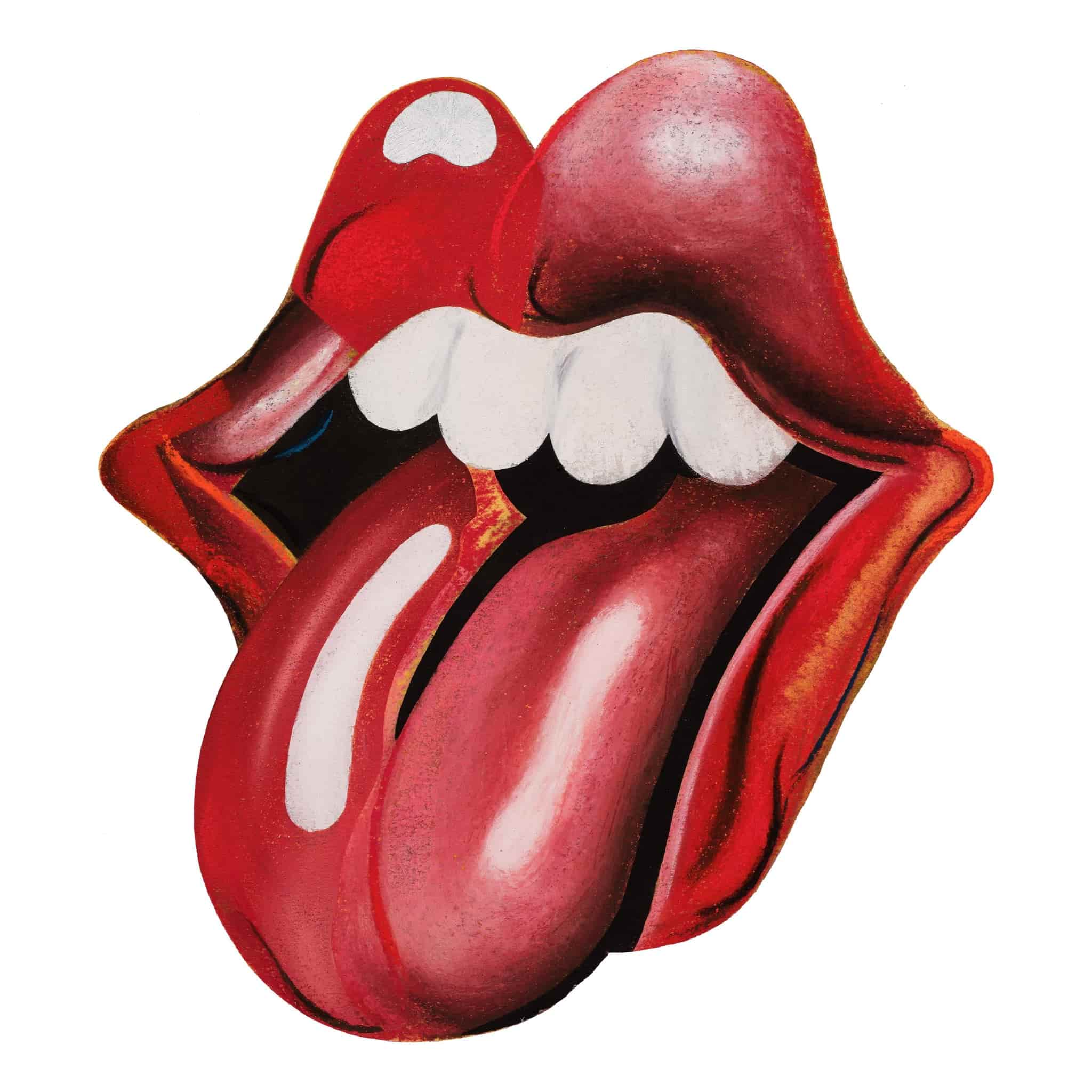
Image: The Rolling Stones / Facebook.com
It’s hard to see where rock music would be without The Rolling Stones. We reckon plenty of wannabe frontpeople looked at Mick Jagger and thought, ‘yeah, that’s who I wanna be’. While The Stones were part of the same British Invasion as The Beatles, they had a verve and a swagger, lighting up the stage with tracks like ‘Paint It Black’ and ‘(I Can’t Get No) Satisfaction’. Richards and Jagger weren’t only a formidable songwriting partnership, their licks, hooks and attitude set the blueprint for those that would follow in their footsteps.
The Kinks
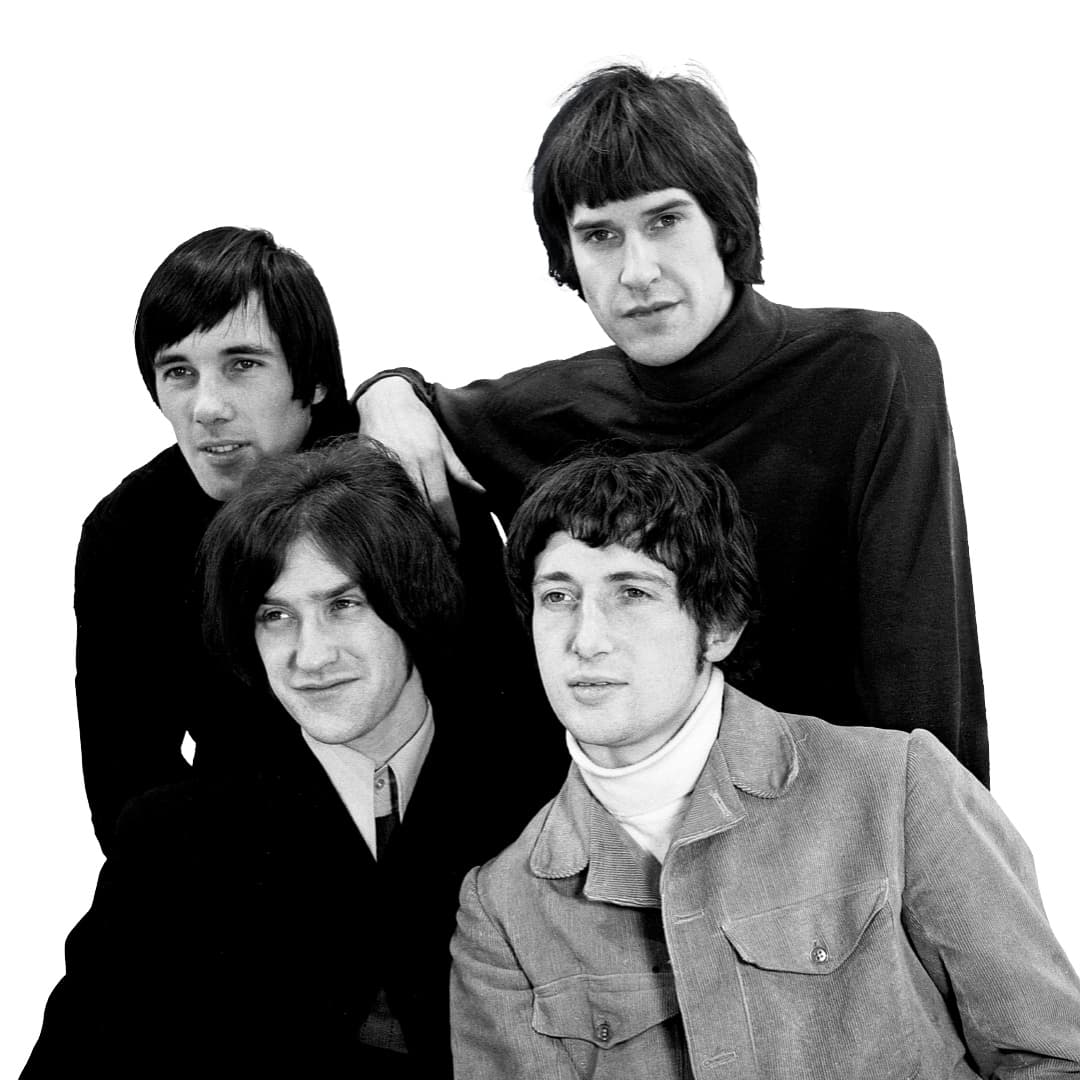
Image: The Kinks / Facebook.com
We’ll leave you to decide if there’s a better riff than ‘You Really Got Me’. Raw, scuzzy and bathed in distortion, the tone was achieved by slicing part of the speaker of one amp and connecting it to another. So, we’ve got The Kinks to thank in part for all our favourite dirty riffs. But they weren’t one-hit wonders. ‘All Day And All Of The Night’ and ‘I Need You’ popularised 3-chord riff patterns that would be adopted by guitarists across the world. And, of course, we can’t forget ‘Sunny Afternoon’. A quintessential rock act from the ‘60s, we couldn’t possibly leave The Kinks off our list.
The Who
Image: The Who / Facebook.com
Sharp suits, even sharper haircuts, and the tunes to go with them – that’s how we’d sum up The Who. First breaking through with My Generation in 1965, the band went from strength to strength, pushing the boundaries of popular music with concept albums, rock operas and mercurial performances that were full of energy. Without them, it’s unlikely we’d have Britpop and a whole host of great music. And do you really want to imagine a world without Keith Moon’s drumming? We definitely don’t.
The Hollies
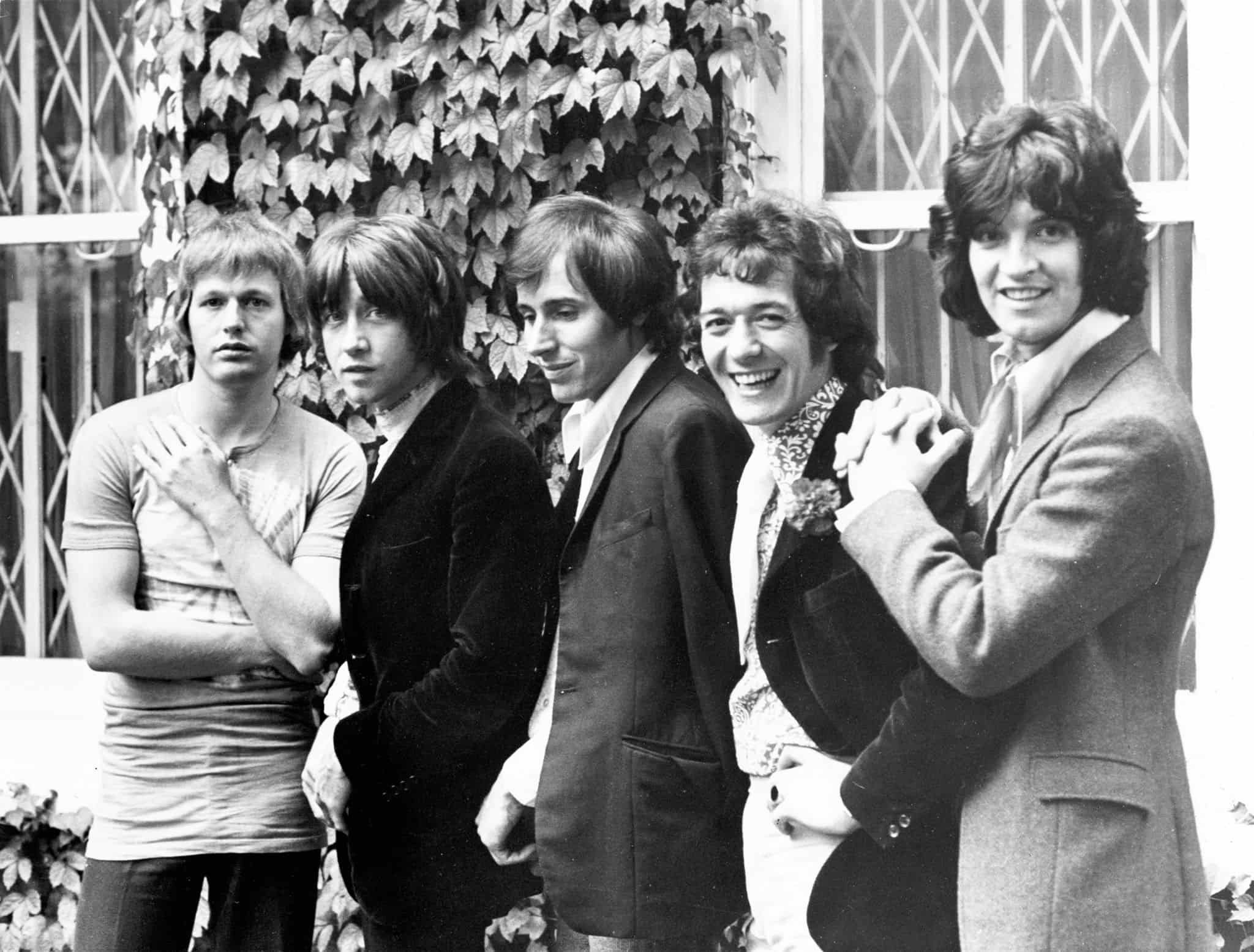
Image: The Hollies / Facebook.com
Ask anyone with a passing interest in 60s bands, and they might talk about The Beatles or The Stones. Ask anyone with a deep interest in 60s bands, and they’ll tell you about The Hollies. The band aren’t as widely known as their peers, but the real heads know how good those three-part harmonies were. And don’t get us started on the guitar lines. Bright and jangly, they combined with the harmonies to create magic. Just take a listen to ‘Bus Stop’ and ‘He Ain’t Heavy, He’s My Brother’ and tell us we’re wrong.
The Beach Boys
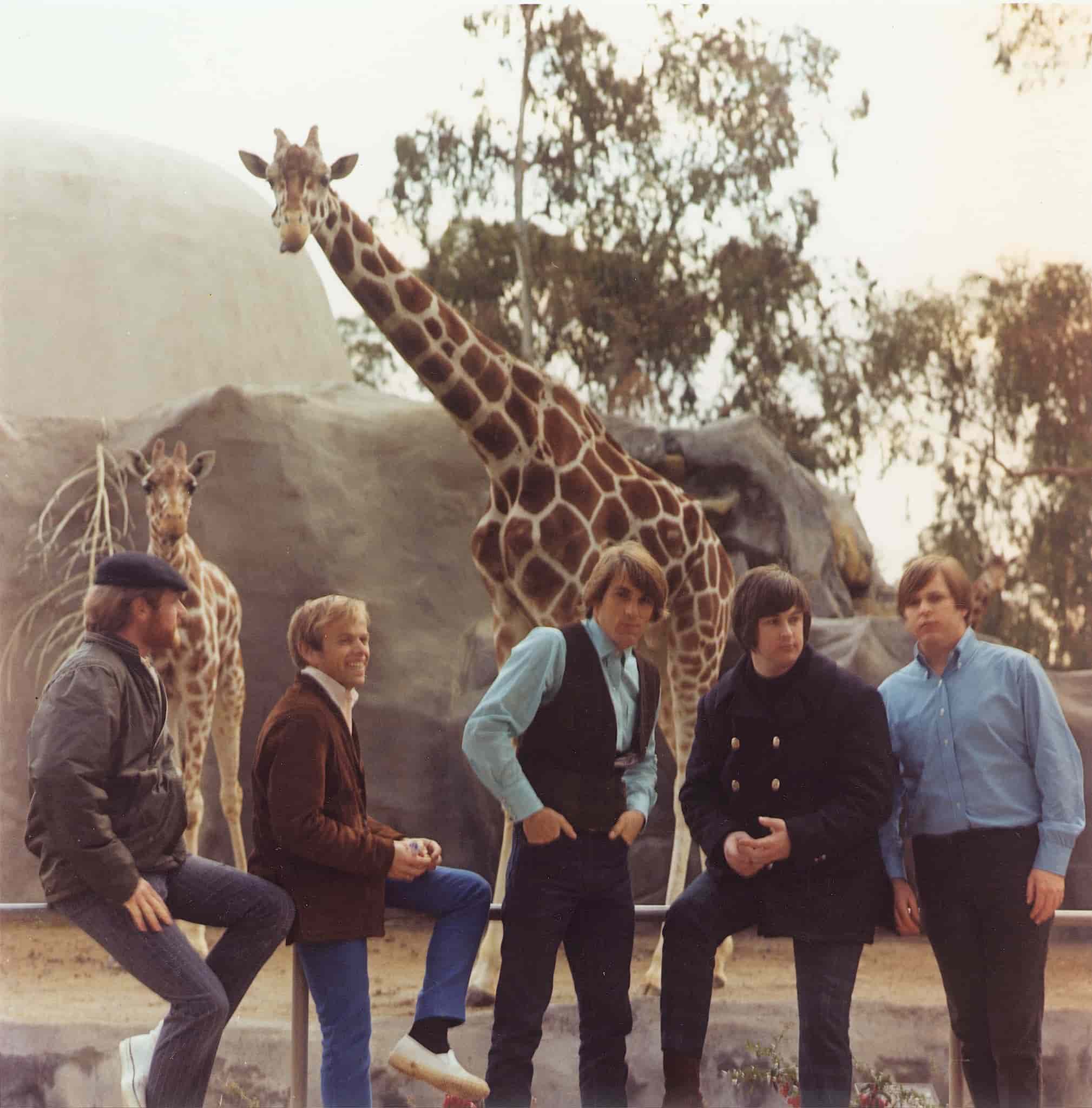
Image: The Beach Boys / Facebook.com
Where to start with The Beach Boys? Not content with pretty much defining the sound of California, they pivoted in ‘66 with Pet Sounds, which used layering, found instruments and other studio techniques to create a massive wall of sound. It feels standard now, but back then, it was something totally different. And maybe it’s a testament to their genius that at first, not everyone got it. The right people did, though. Paul McCartney gushed about it in interviews, talking about how big an effect the album had on his creative process. Ultimately, The Beach Boys ushered in a new era for rock music, influencing bands, scenes, and artists long after Pet Sounds was released.
The Stooges
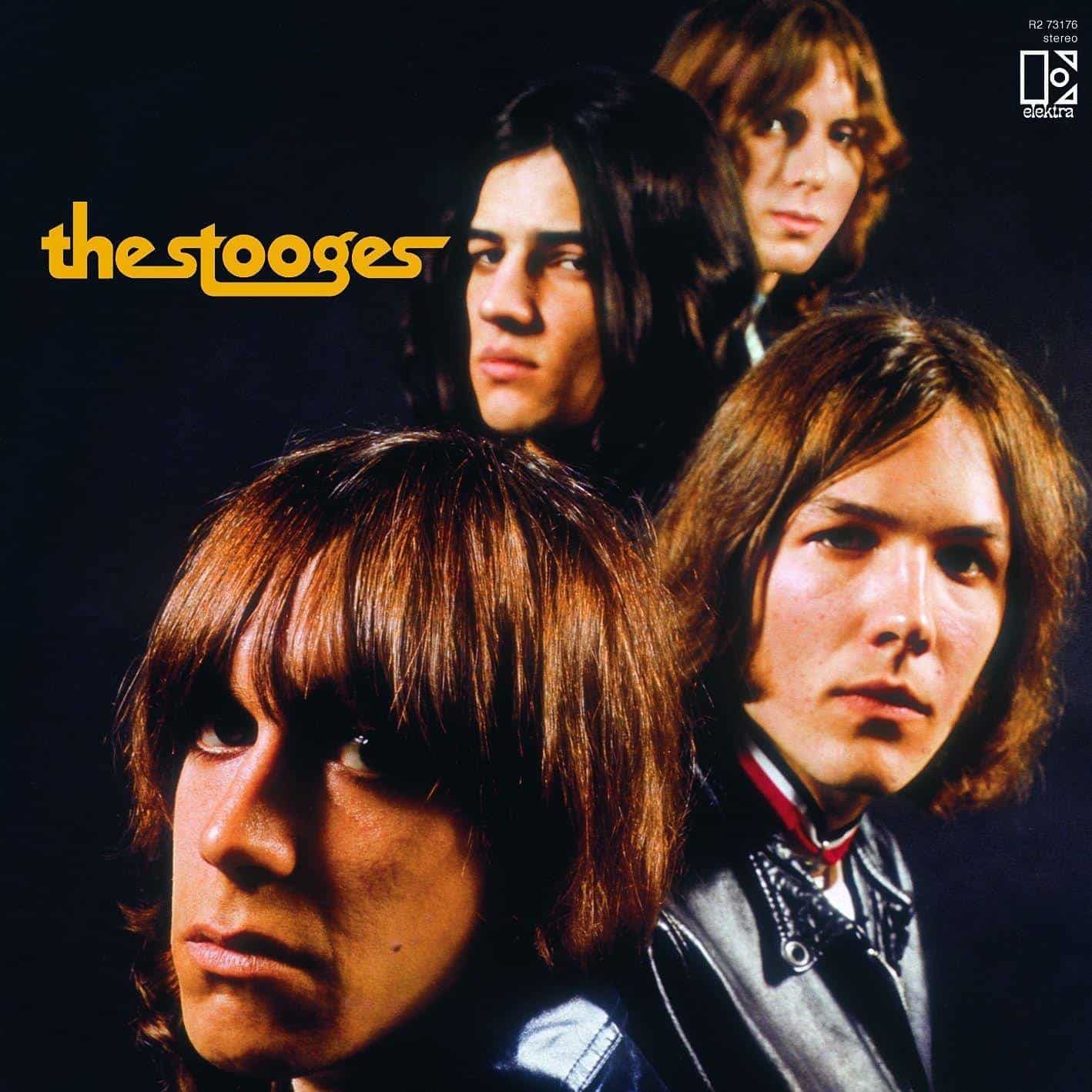
Image: The Stooges / Facebook.com
We now know Iggy Pop as the gravel-toned radio presenter, but in his heyday, he was the boisterous, shirtless frontman of perhaps the rawest band of the era: The Stooges. Flanked by the Asheton brothers on guitar and drums and Dave Alexander on bass, they sounded like nothing else in 1969. ‘I Wanna Be Your Dog’, one of their biggest tracks, erupts like a slow-burning volcano, bubbling with lava-hot riffs. The Stooges set the tone for punk in both the UK and the US, proving that less polish meant more impact.
psychedelia
13th Floor Elevators
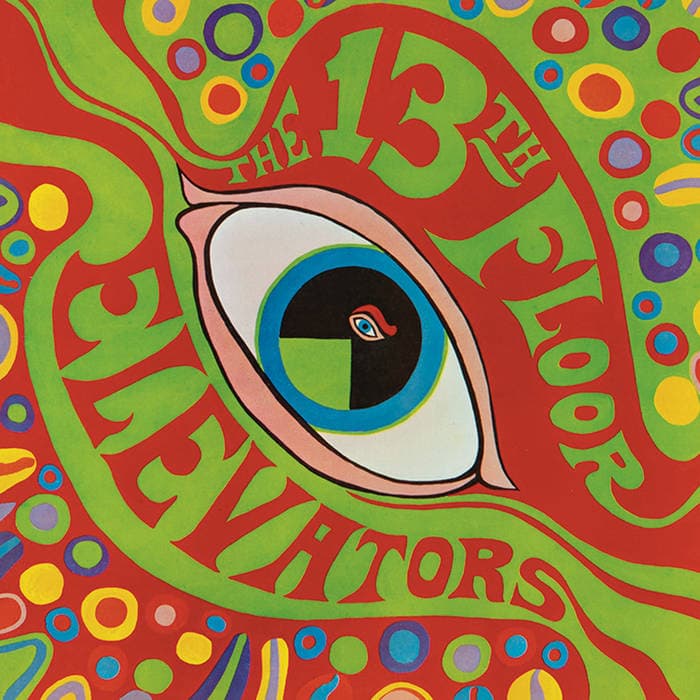
We can imagine that hearing The Psychedelic Sounds of the 13th Floor Elevators for the first time in 1966 was a trip. Yeah, pun intended. The band – led by singer and guitarist Roky Erickson and amplified jug player Tommy Hall – are widely credited as the first band to describe their music as psychedelic. And we can hear why. Tracks like ‘Roller Coaster’ are dark and scuzzy, the mind-altering elements coming from Tommy Hall’s amplified jug, which is best described as a sound from another dimension. Short-lived but definitely not short on impact, the 13th Floor Elevators set the blueprint for legions of riff-based psychedelic rock bands, and you can still trace their influence today.
Pink Floyd
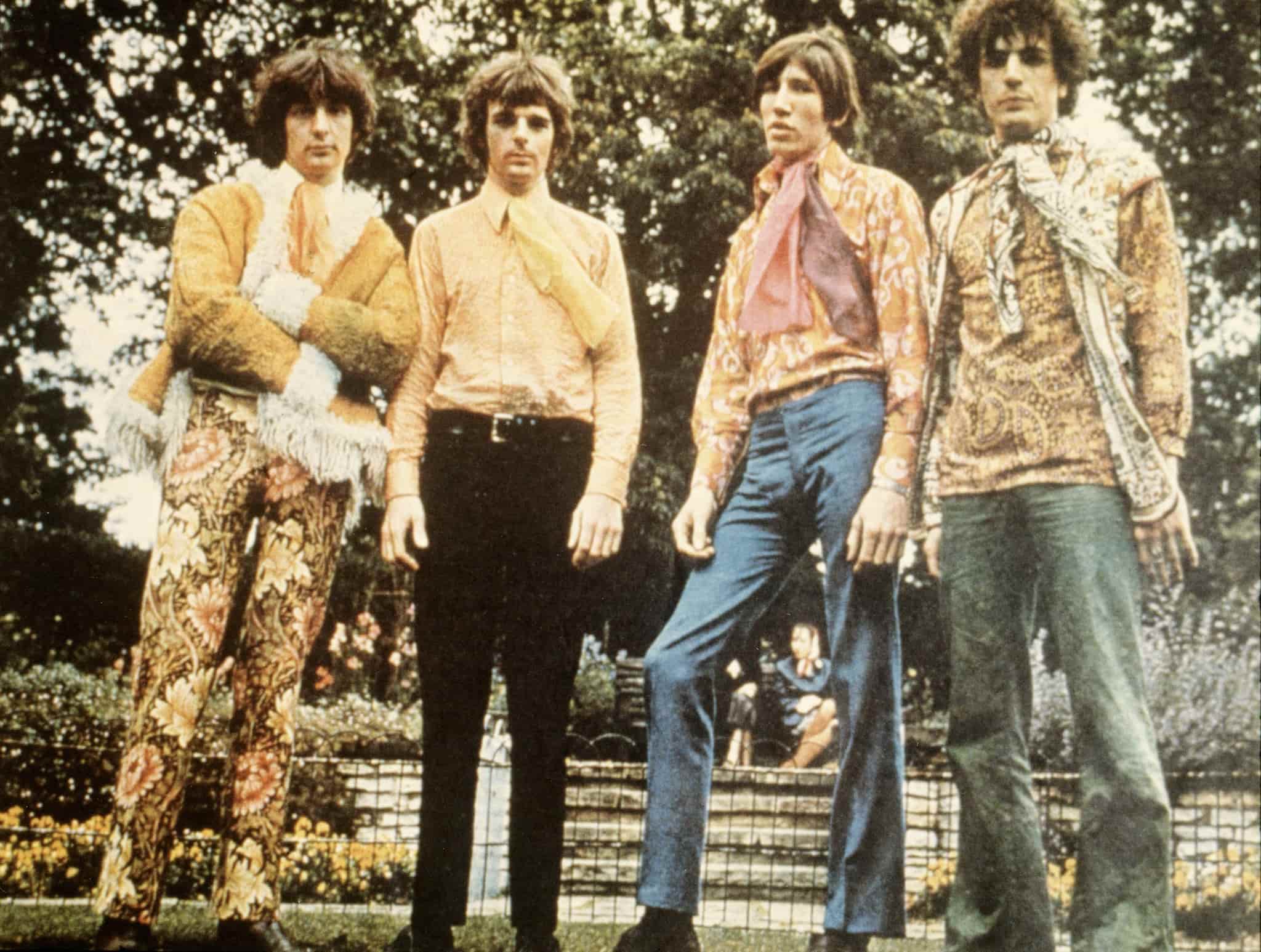
Image: Pink Floyd / Facebook.com
Before the era-defining concept albums like Dark Side of the Moon and The Wall, Pink Floyd were a psychedelic rock band who’d just released their debut album. Packed with guitar-led epics like ‘Interstellar Overdrive’, tracks were sometimes completely instrumental, laced with organ sounds and studio effects which really get the brain whirring. Throw in Syd Barrett’s stream-of-consciousness writing, and you essentially have the recipe for mind-bending experiences in audio form.
The Doors
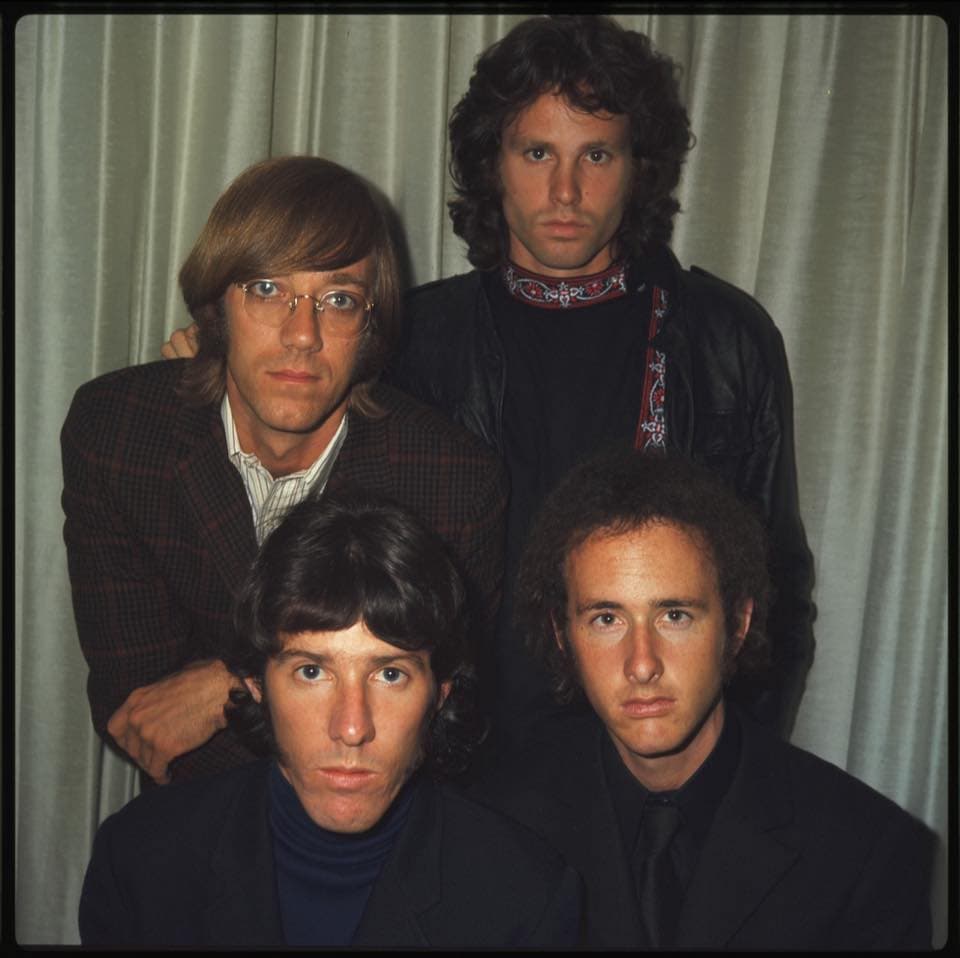
Image: The Doors / Facebook.com
Fuelled by anti-war sentiment, counterculture and a whole lot of special substances, the Summer of Love was in full swing by 1967. But not for The Doors. The band, fronted by legendary singer Jim Morrison, stood for something darker. They were the brooding flipside to a mainstream movement, an energy best heard on tracks like ‘The End’. Clocking in at 11 minutes, it’s heavy on the organ and deals with themes of death and loss. It’s clear enough that you can make out the meaning, but cryptic enough to invite deeper readings. The Doors had an intense, theatrical edge, with their blues-tinged sound and poetry-like lyrics giving the psychedelic rock sound a hypnotic flavour.
Jefferson Airplane
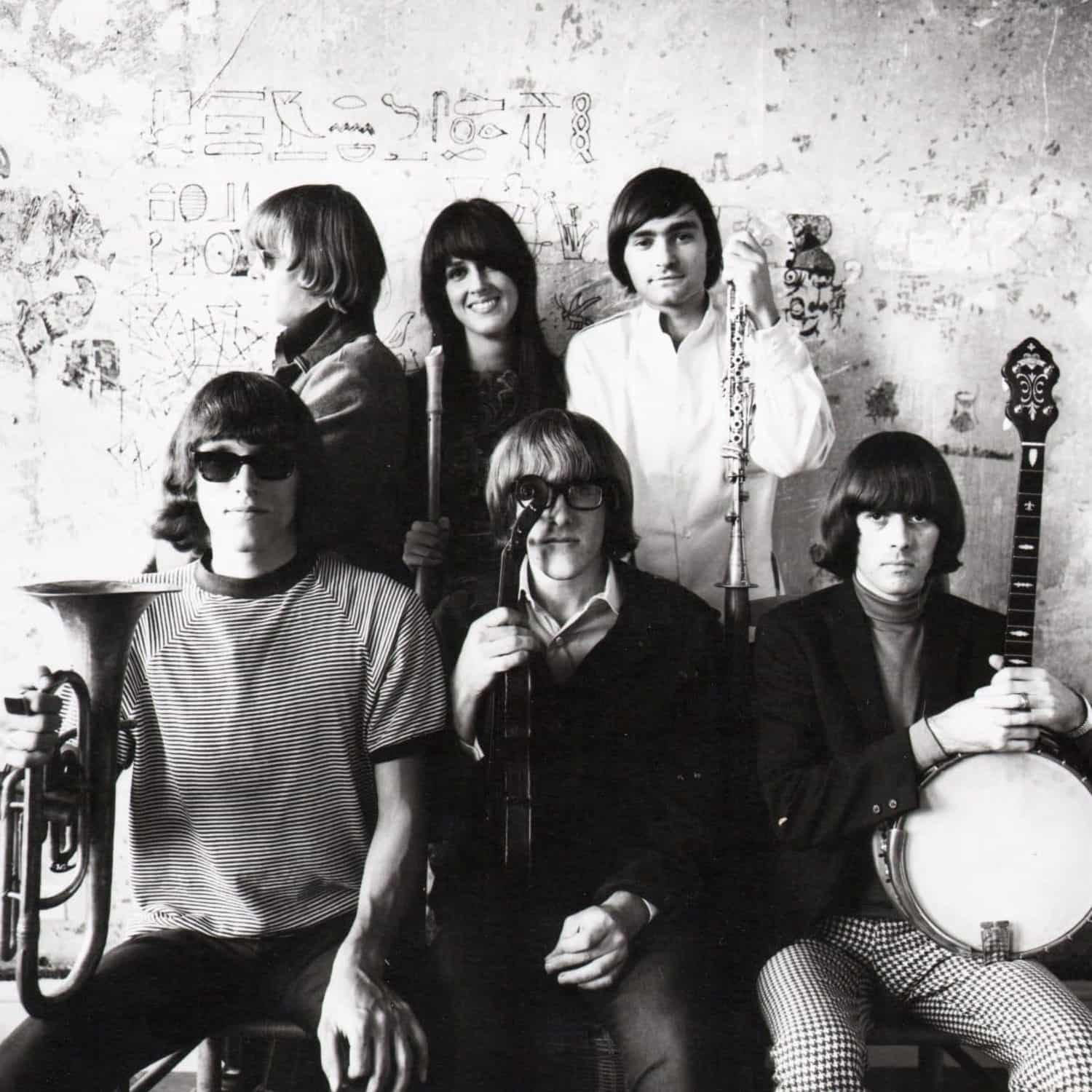
Image: Jefferson Airplane / Facebook.com
Even if you don’t know Jefferson Airplane by name, you’ve heard them. ‘White Rabbit’ has been used on countless films, becoming the psychedelic song thanks to its allusions and double meanings about all things trippy. The band’s jangly, folky sound summed up the Summer of Love, as people flowed freely in the San Francisco haze. Plus, they have an album where they are slap bang in the middle of a mushroom cloud. You can’t get any more psychedelic than that, can you?
Grateful Dead
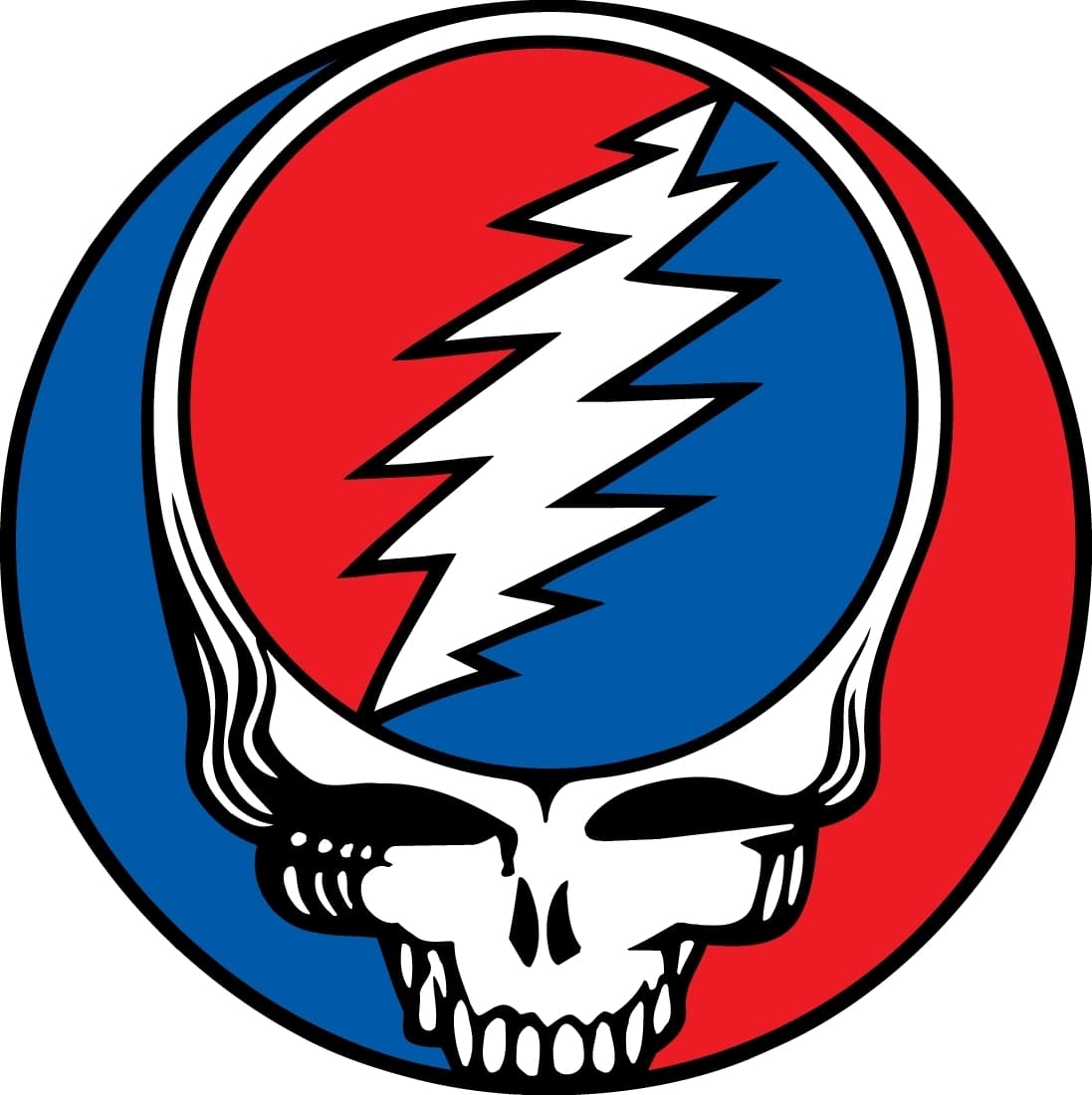
Image: Grateful Dead / Facebook.com
If you’re busy floating away to another dimension, it’d make sense for the music of choice to be something a little more freeform. Enter Grateful Dead. They were the quintessential jam band, with setlists changing on a whim and lots of their songs containing extended improvisation sections, something which other groups would pick up on and expand even further in the years to come. Throw in their use of prepared instruments, electronic experimentation, palindrome album titles and tracks way over the 3-minute mark, and you’ve got one of the defining bands of the ‘60s.
The Mothers of Invention
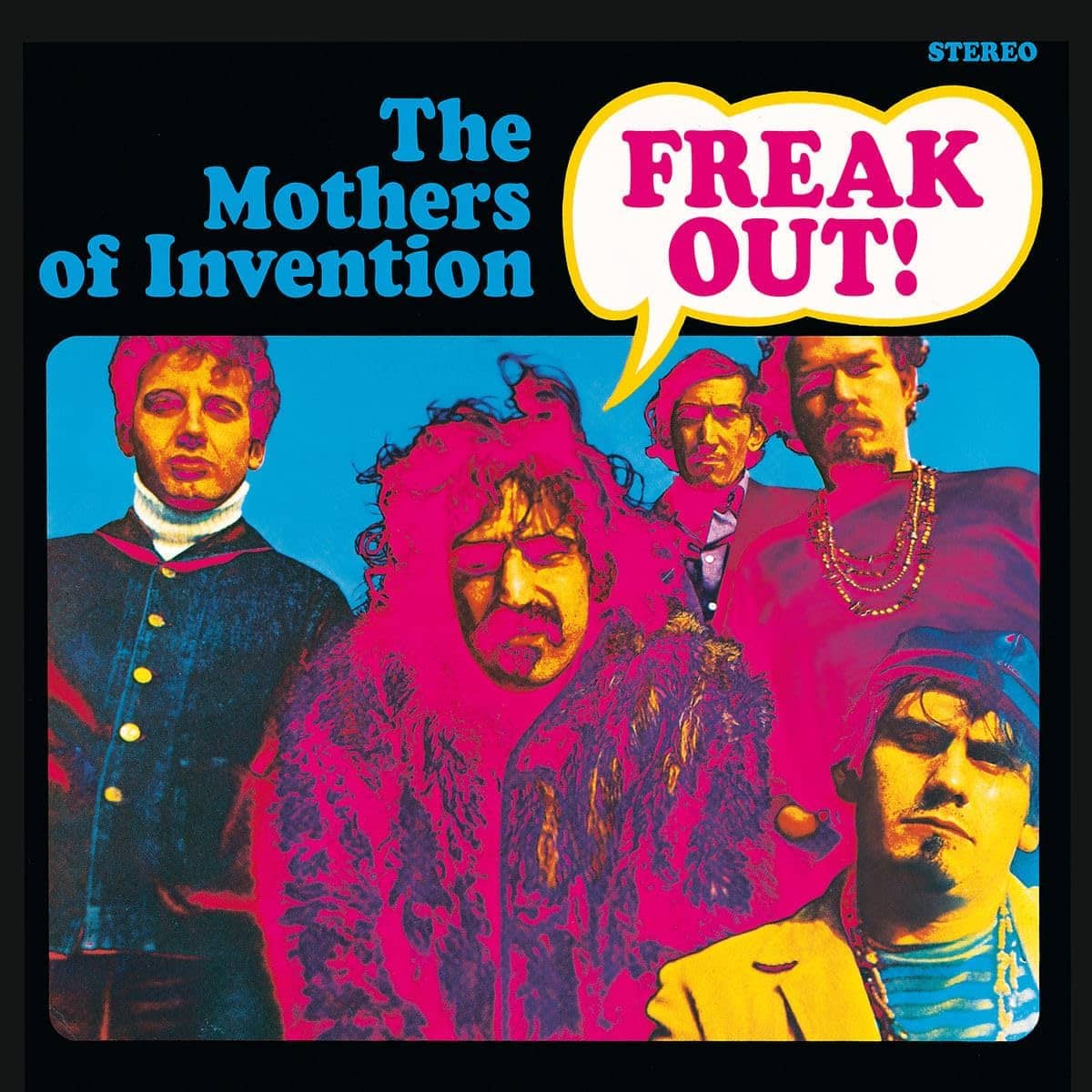
The Mothers of Invention had jokes. They’d happily poke fun at the music industry, satirise the hippie movement and parody other artists. They even took a swipe at The Beatles’ Sgt. Pepper’s Lonely Hearts Club Band cover on the gatefold sleeve of their album We’re Only In It for the Money. It brought a playful feel to the psychedelic scene, and let’s not forget, the music was absolutely stellar. With Frank Zappa at the helm, it was never going to be anything less than wildly inventive.
blues rock
The Yardbirds
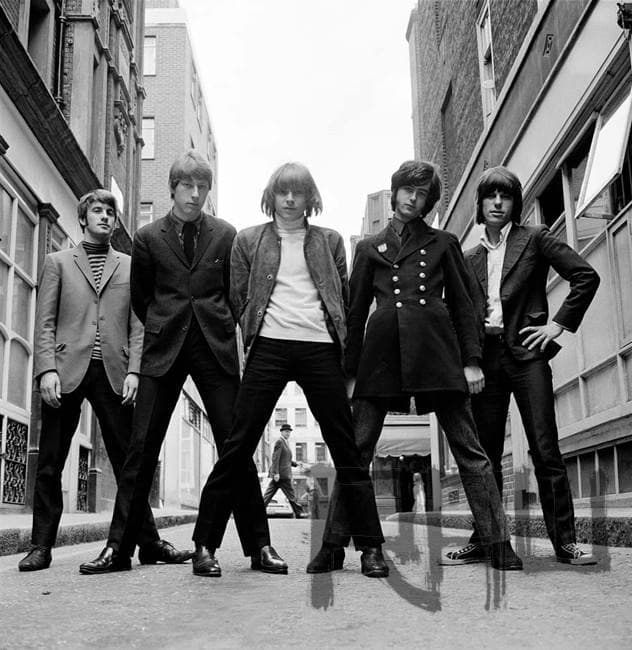
Image: The Yardbirds / Facebook.com
Finding a band that kicked off the career of one guitarist is usually pretty common. But three? We think that’s fairly unheard of. But The Yardbirds gave Eric Clapton, Jimmy Page and Jeff Beck their starts. The band were pretty bluesy, serving up big riffs, extended solos and their notorious ‘rave-up’ sections, where the band’s songs descended into chaotic instrumental passages. Heavy metal was still far away, but The Yardbirds were planting the seeds for what was to come.
Cream
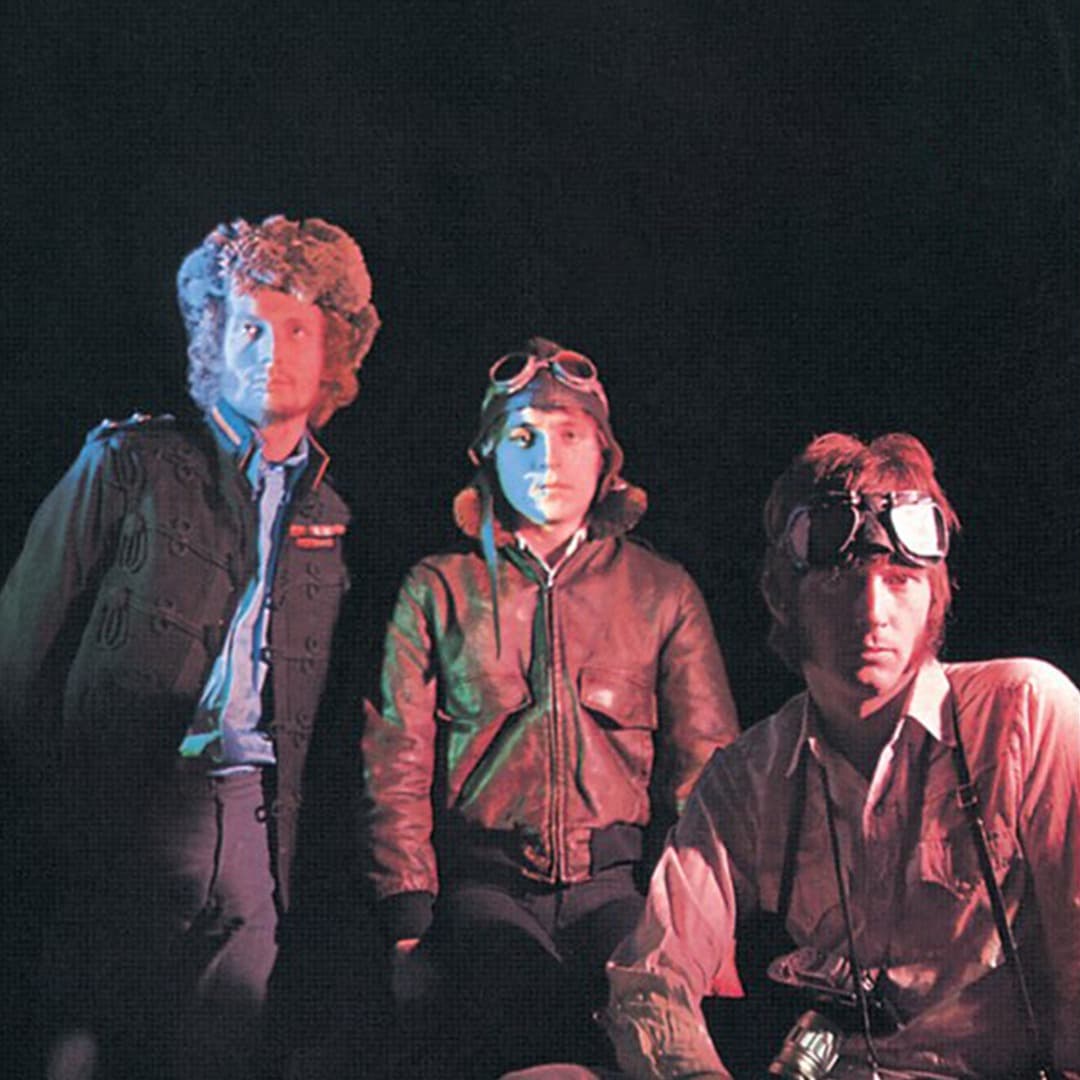
Image: Cream / Facebook.com
By ‘66, rock had one of its first supergroups. Eric Clapton left The Yardbirds, teaming up with Jack Bruce and Ginger Baker to form Cream. The trio penned several hits that would go on to influence the landscape of heavy music, including the absolute belter that is ‘Sunshine of Your Love’. Sure, it might sound tame by today’s standards, but you can’t deny how much that opening riff absolutely slaps. It’s simple, memorable, bathed in distortion and an absolute hoot to play on Guitar Hero. Power trios would pop up in the decades to come, but we reckon a lot of them have Cream to thank for showing them they could do it.
The Jimi Hendrix Experience / Gypsy Sun and Rainbows
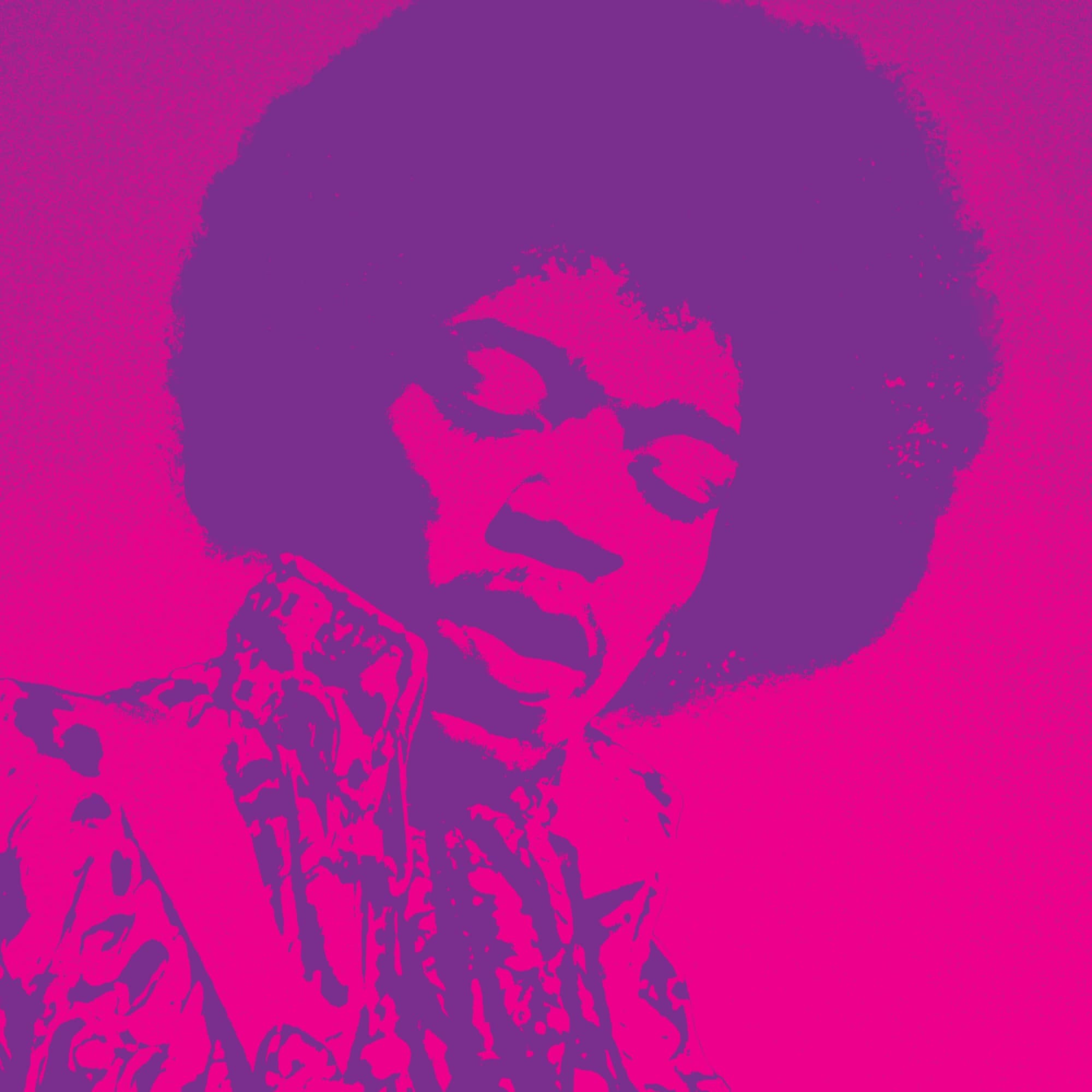
Image: Jimi Hendrix / Facebook.com
There are two periods in the ‘60s: before Jimi Hendrix and after him. Before, guitar bands were still influenced by R&B, with only a handful using distortion and effects. Afterwards, the music was louder, heavier and contained a lot more showmanship. Fronting The Jimi Hendrix Experience and later Gypsy Sun and Rainbows, Hendrix brought a new energy to the rock world, penning blistering riffs, using eccentric techniques, and, of course, delivering perhaps one of the best festival performances at Woodstock in 1969.
Led Zeppelin
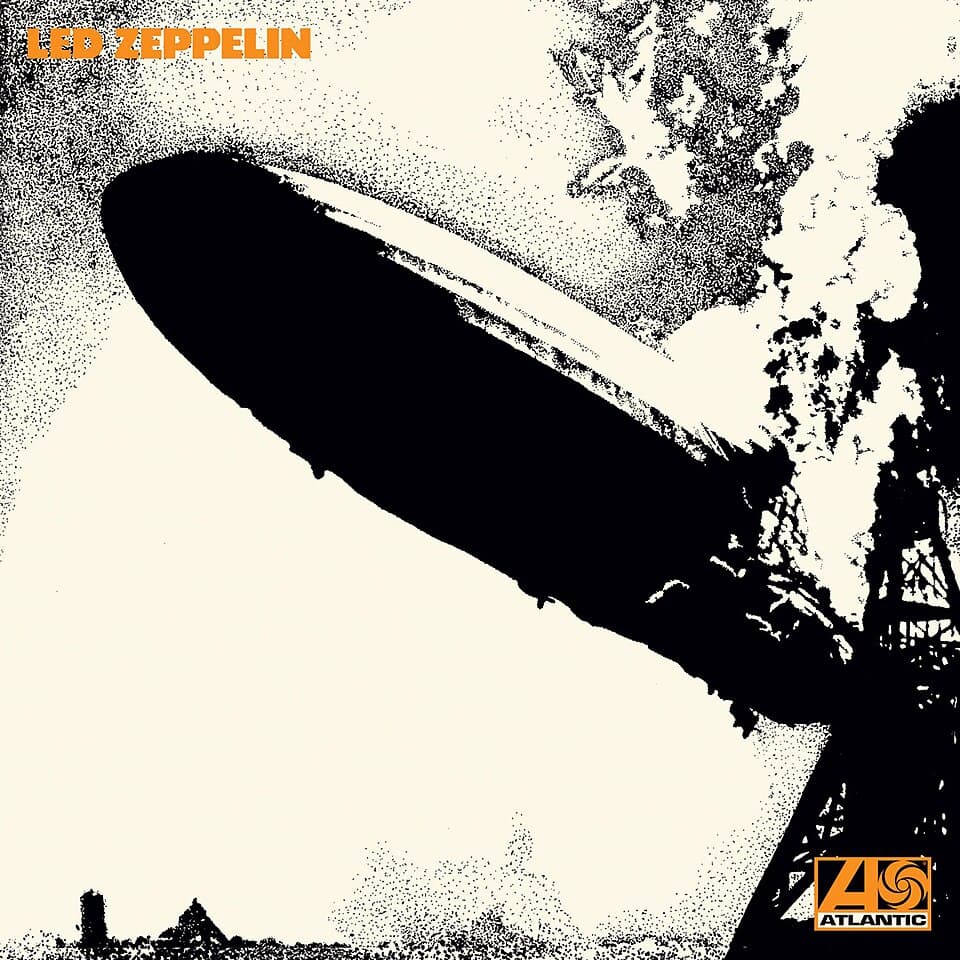
Jimmy Page went on to form Led Zeppelin after The Yardbirds split up, and heavy metal history was written. Tracks like ‘Whole Lotta Love’ blew everyone’s minds, mixing distorted blues riffs with crunching rhythm and absolutely belting drums. The songs were faster, the riffs hit harder, and by the end of the decade, blues rock had been pushed to its limit, and heavy metal was just around the corner.
experimental
The Velvet Underground
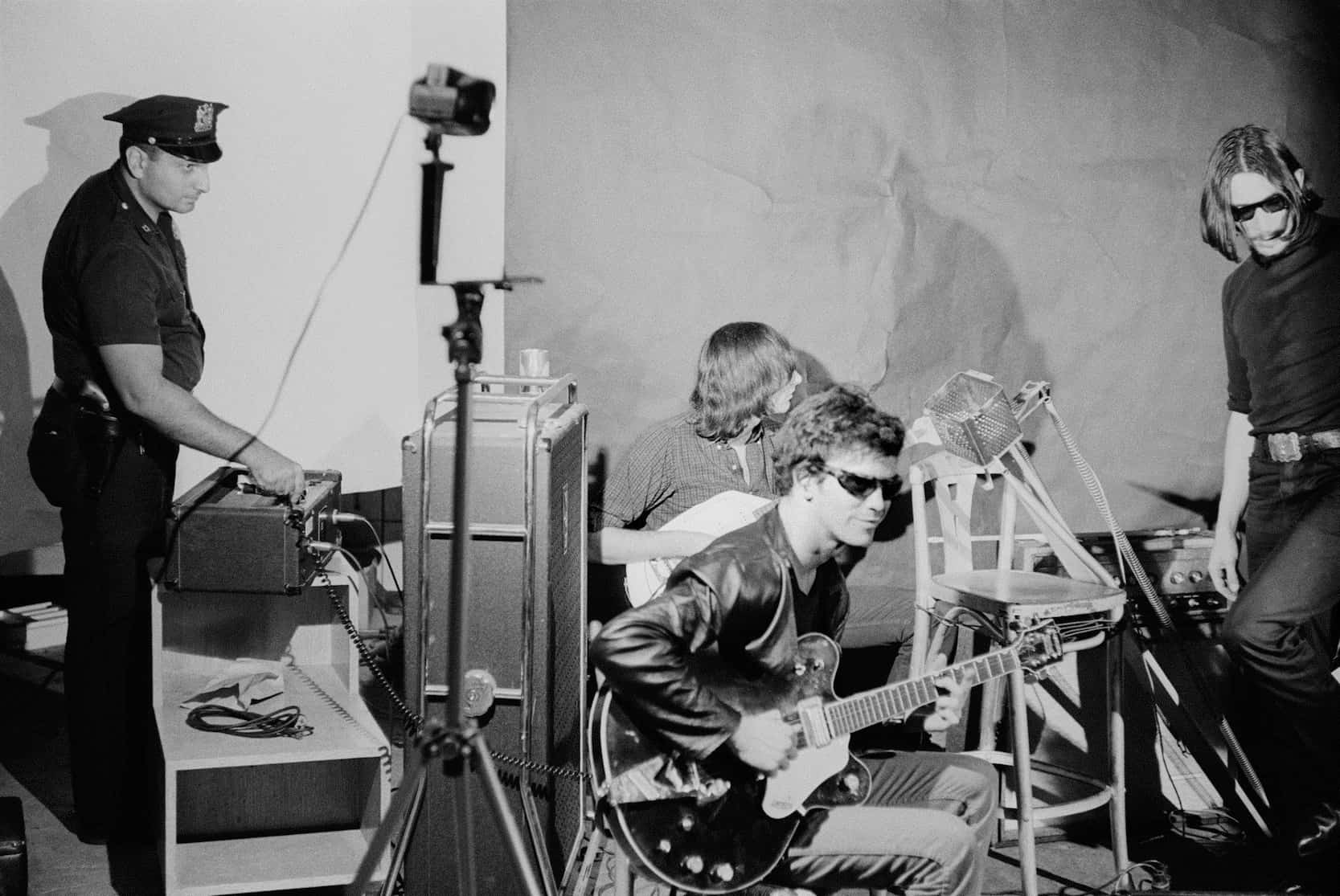
Image: The Velvet Underground / Facebook.com
We asked earlier if there was a more influential band than The Beatles. It’s hard to quantify, but we reckon The Velvet Underground might be close. After all, Brian Eno once said to Lou Reed that ‘The first Velvet Underground album only sold 30,000 copies, but everyone who bought it started a band.’ And is he wrong? Bands like Talking Heads, U2, Sonic Youth and Sparks were all influenced by what Reed, Cale, Nico and co were doing. Influenced as much by art and avant-garde cinema as they were by music, The Velvet Underground tackled the taboo, incorporating elements of noise and free jazz into their sound. Their breadth of influence is why the initial 30,000 were so enamoured.
King Crimson
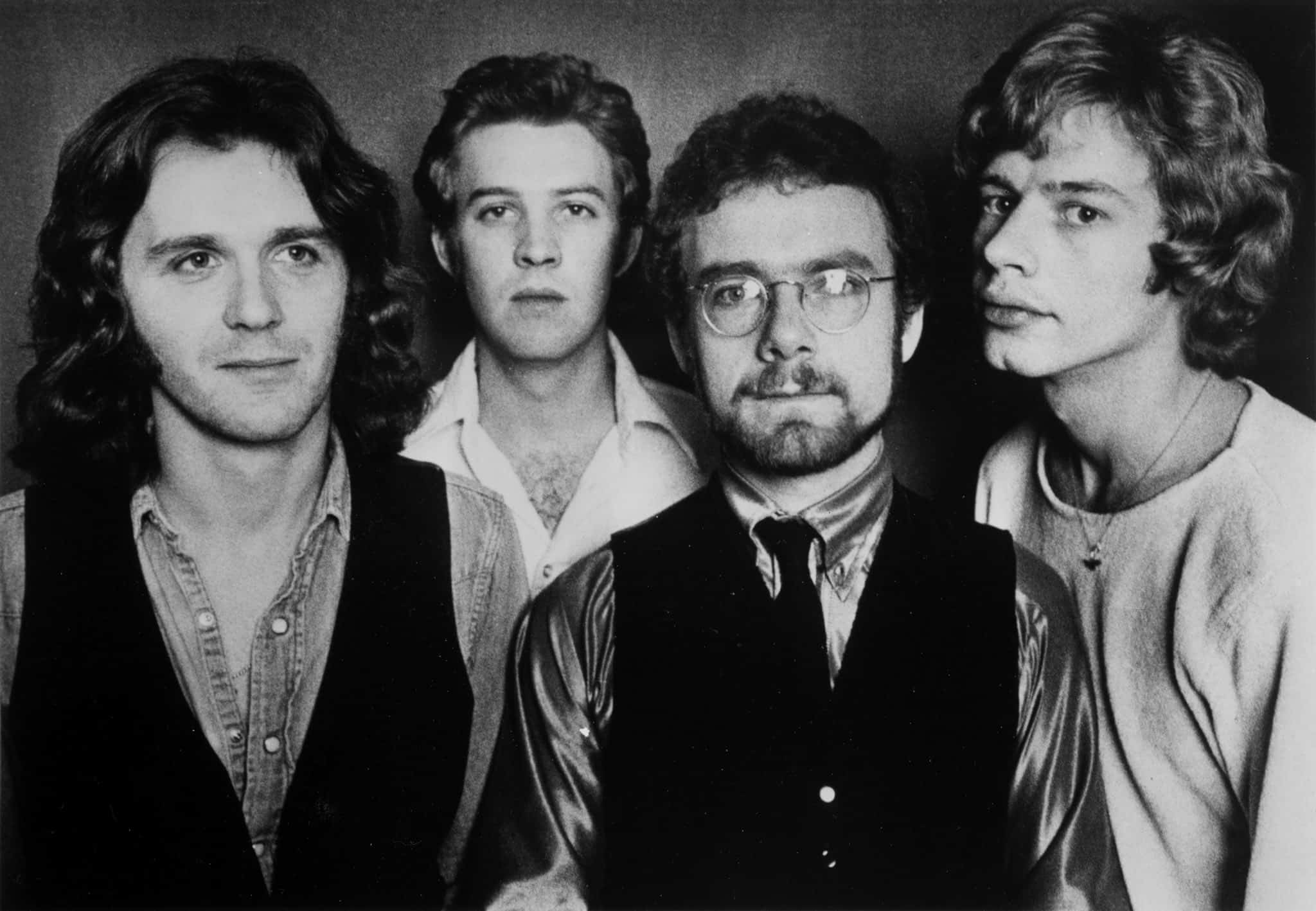
Image: King Crimson / Facebook.com
While heavy metal was beginning to take shape by the end of the decade, another offshoot of guitar music was also doing the same: progressive rock. It’s largely down to King Crimson. In 1969, they released their debut album, In the Court of the Crimson King, which pulled from rock, pop and jazz, delivering a theatrical tour de force few had heard before. Prog rock would continue to grow throughout the next decade, with King Crimson a crucial part of the genre.
folk / folk rock
The Byrds
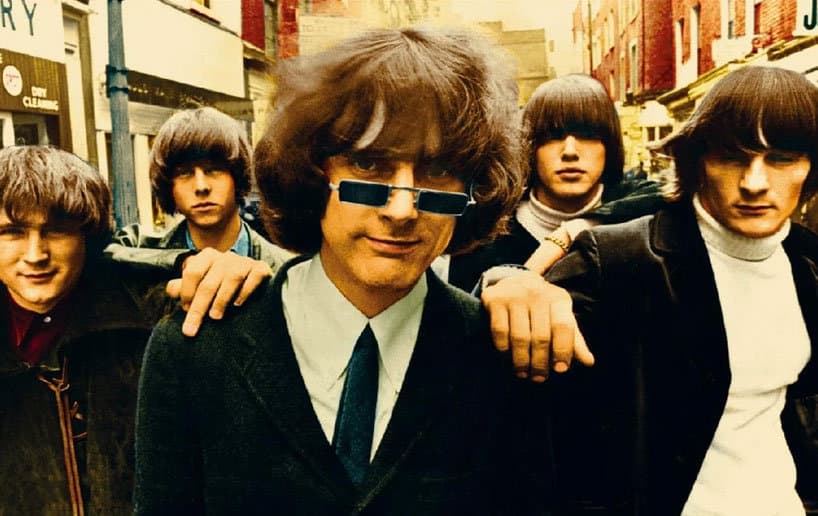
We could sit here and debate where to place The Byrds all day. They helped originate folk rock, dabbled in psychedelia and incorporated country into their music. But their real impact is those guitar lines. In short, they captured a generation with jangly tones that shimmered through the speakers. Even when they experimented with psychedelia, like on ‘Eight Miles High’, those guitar lines remained like an anchor. In the coming decades, guitarists like Johnny Marr and Peter Buck would take influence from Roger McGuinn’s style, meaning The Byrds were forever immortalised as guitar music heroes.
Buffalo Springfield
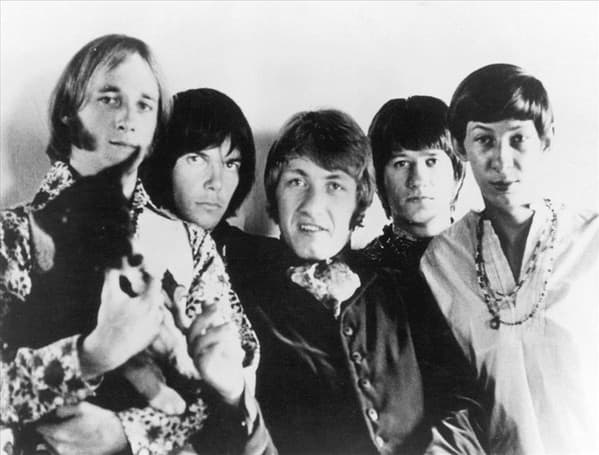
Buffalo Springfield was short-lived, but the band definitely weren’t short on impact. They had a certain Neil Young in their ranks, who was joined by Stephen Stills, Richie Furay, Bruce Palmer and Dewey Martin. Together, the band combined political lyrics and slick songwriting with folk-infused instrumentation to help pioneer the popular folk rock sound of the day.
Simon & Garfunkel
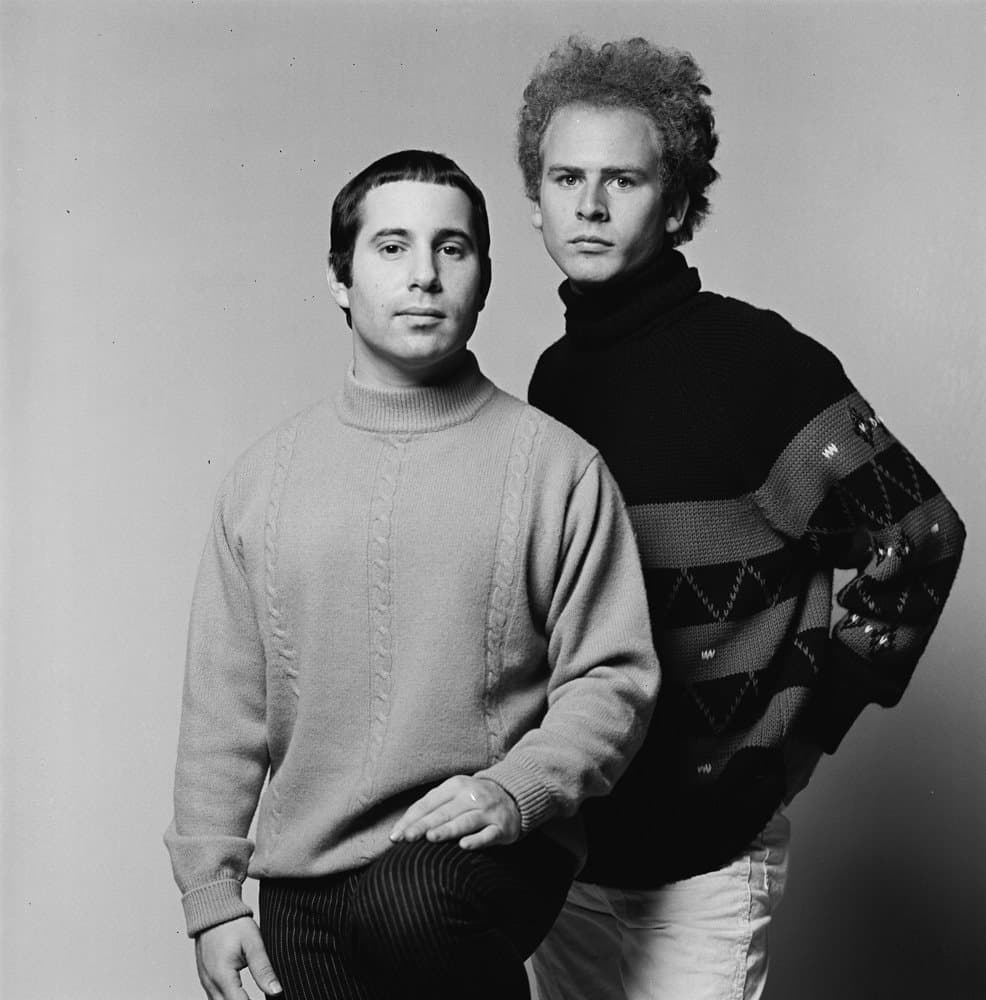
Image: Simon & Garfunkel / Facebook.com
What happens when you mix songwriting genius, world-class vocals and irresistible harmonies? You get Simon & Garfunkel. Throughout the ‘60s, the duo created magic, as heard on classics like ‘The Sound of Silence’, ‘Mrs Robinson’ and ‘Homeward Bound’. The songs tapped into a deep part of the public’s consciousness, with ‘Mrs Robinson’ scooping up Record of the Year at the 1969 Grammy Awards. As the decade came to a close, Simon & Garfunkel were perfectly primed for later success, which would come in 1970 in the form of Bridge Over Troubled Water.
Fairport Convention
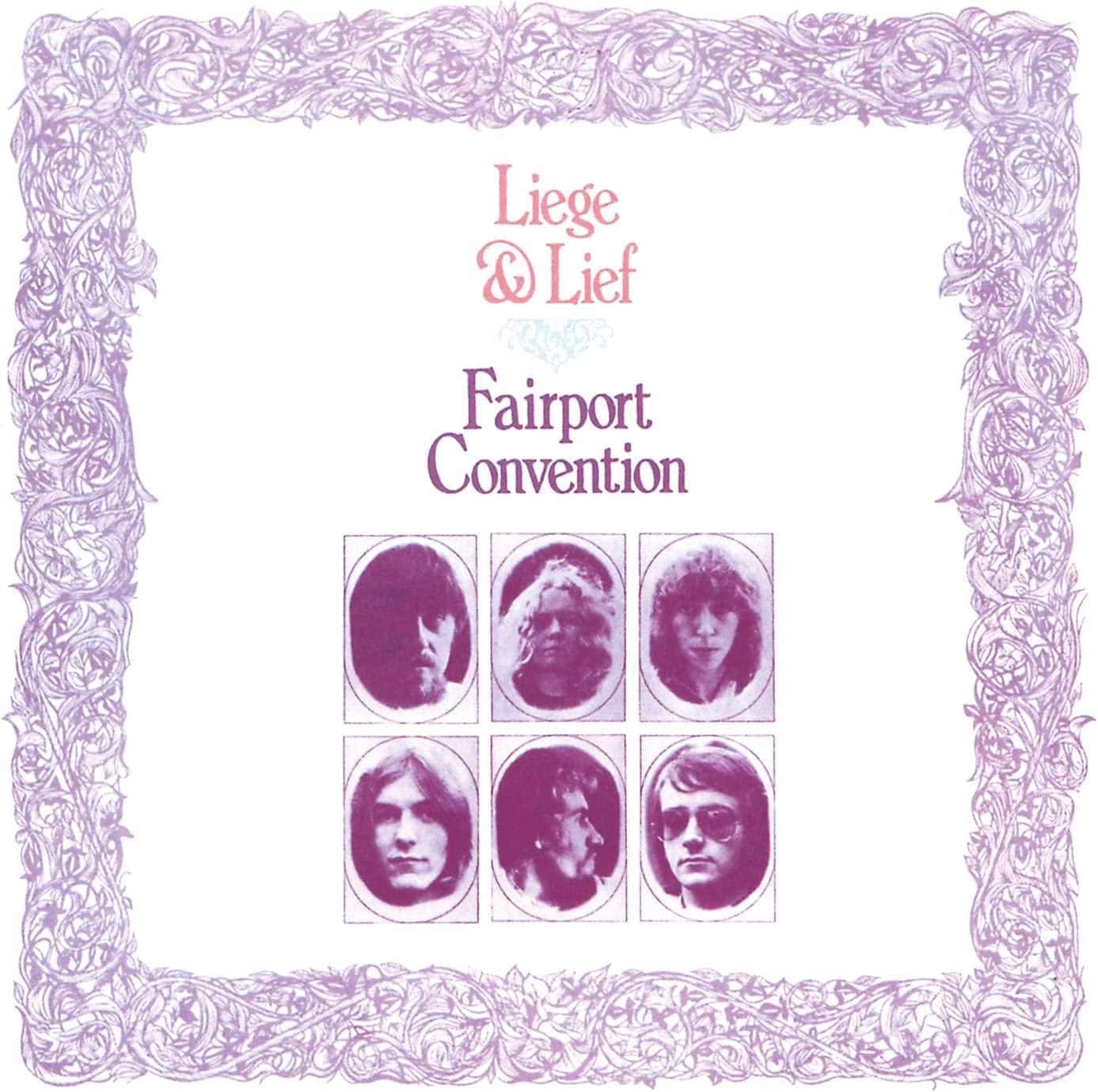
We simply couldn’t leave out a homegrown group like Fairport Convention. As the ‘60s came to a close, the band began to phase out their American influences, putting an electric spin on traditional English folk songs, and of course, their own compositions. Liege & Lief, released in 1969, became a pivotal album in the canon, helping to shape the English folk rock scene and inspire group after group in the years to come.
soul
The Supremes
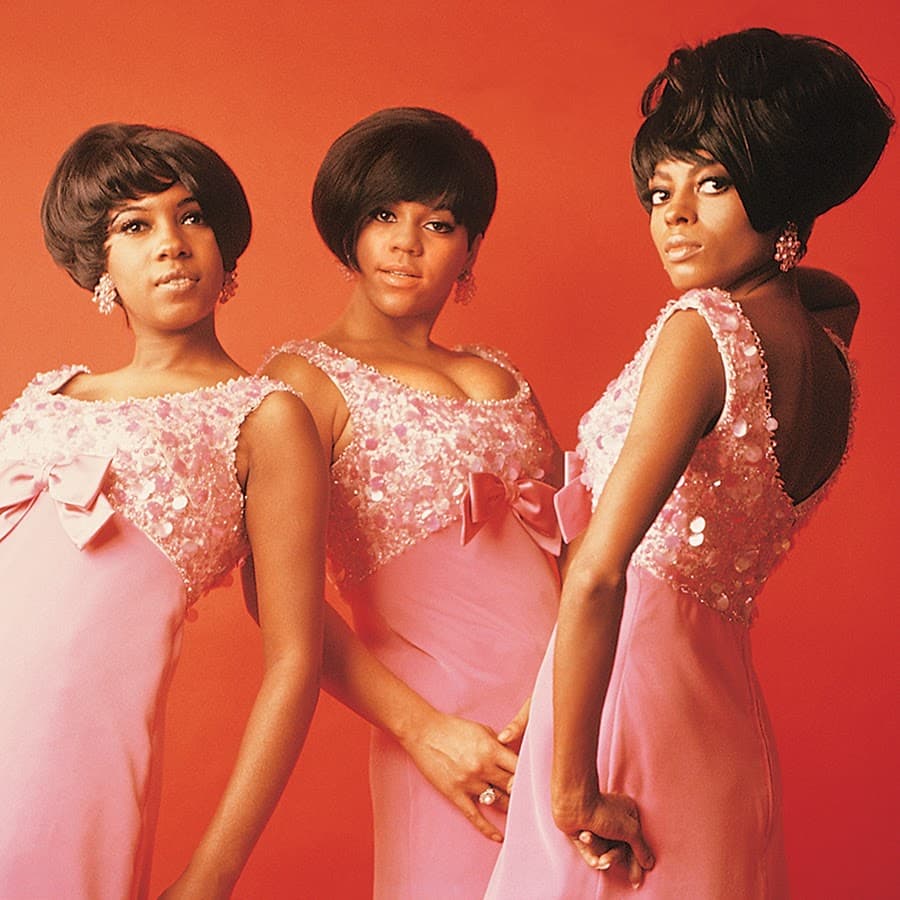
The Supremes weren’t the first girl group, but they sure were one of the most successful. Without them, it’s unlikely we’d have the generations of singers and groups they inspired. Plus, the group was the springboard for Diana Ross, and we all know how her career went… With utter classics like ‘Stop! In The Name of Love’, ‘Baby Love’ and ‘You Keep Me Hanging On’, The Supremes soundtracked a generation of lovers and dancers who were captivated by their pitch-perfect harmonies and catchy choruses.
Four Tops
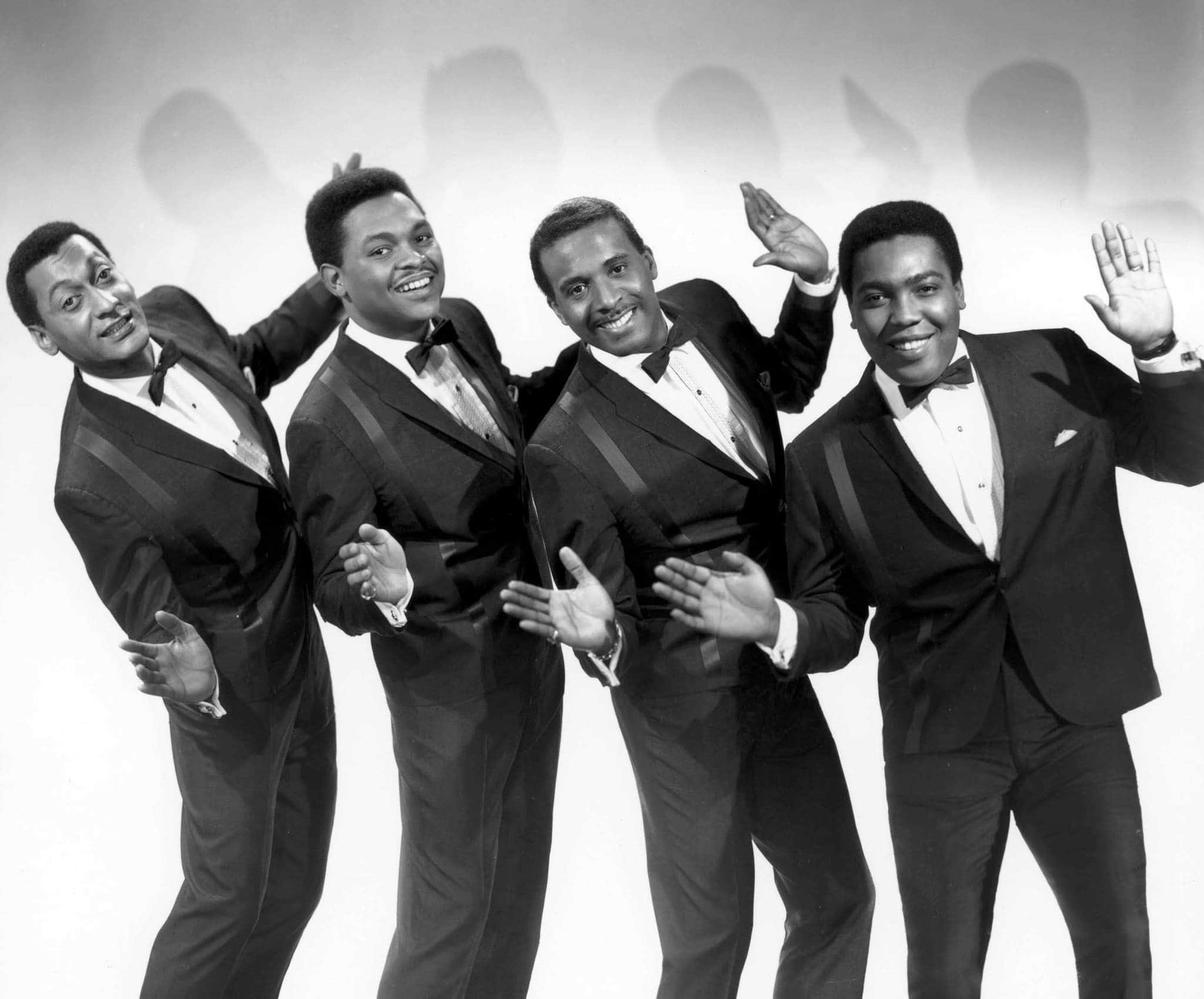
Image: Four Tops / Facebook.com
Along with The Supremes, Four Tops helped to define and popularise the Motown sound across the world. A lot of that is down to Levi Stubbs. As lead vocalist, his baritone range gave the group a dramatic edge, best heard on hits like ‘Reach Out I’ll Be There’ and ‘I Can’t Help Myself (Sugar Pie, Honey Bunch)’. With most groups of the day having a tenor on lead vocal duties, it helped the Four Tops stand out, and Stubbs’ voice soared through speakers, contrasting perfectly with the slick, soulful instrumentals underneath him.
The Temptations
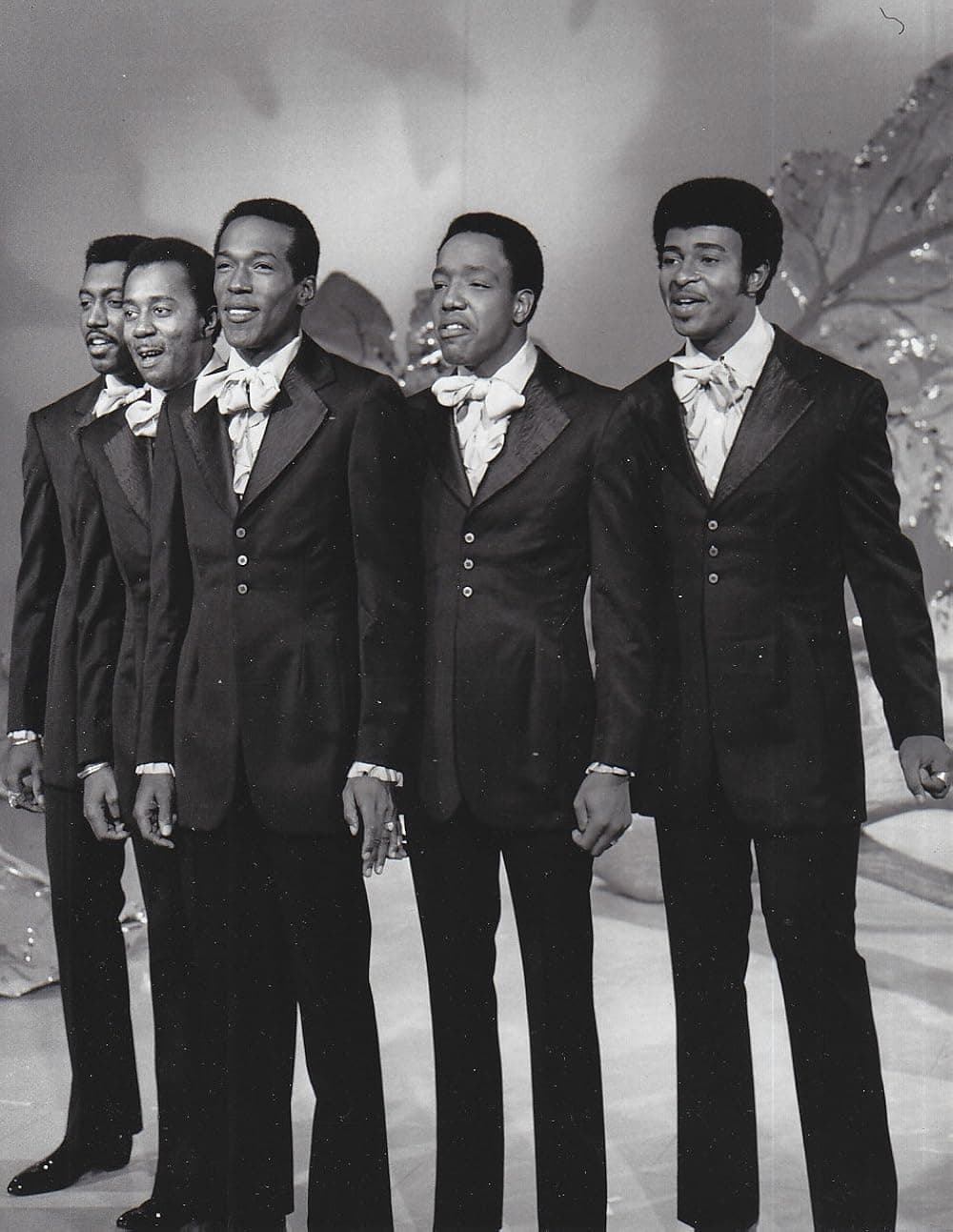
Image: The Temptations / Facebook.com
One thing you can’t deny about The Temptations is that they had the full package. Just check out any of their performances from the ‘60s, and you’ll see what we mean. Sharp vocals, harmonies, suits and even sharper moves, they etched themselves into music folklore with a string of hits. Crowds ate up ‘My Girl’ and ‘Ain’t Too Proud To Beg’, and as the years passed by, the group evolved their sound and continued to push the boundaries of soul music.
The Isley Brothers
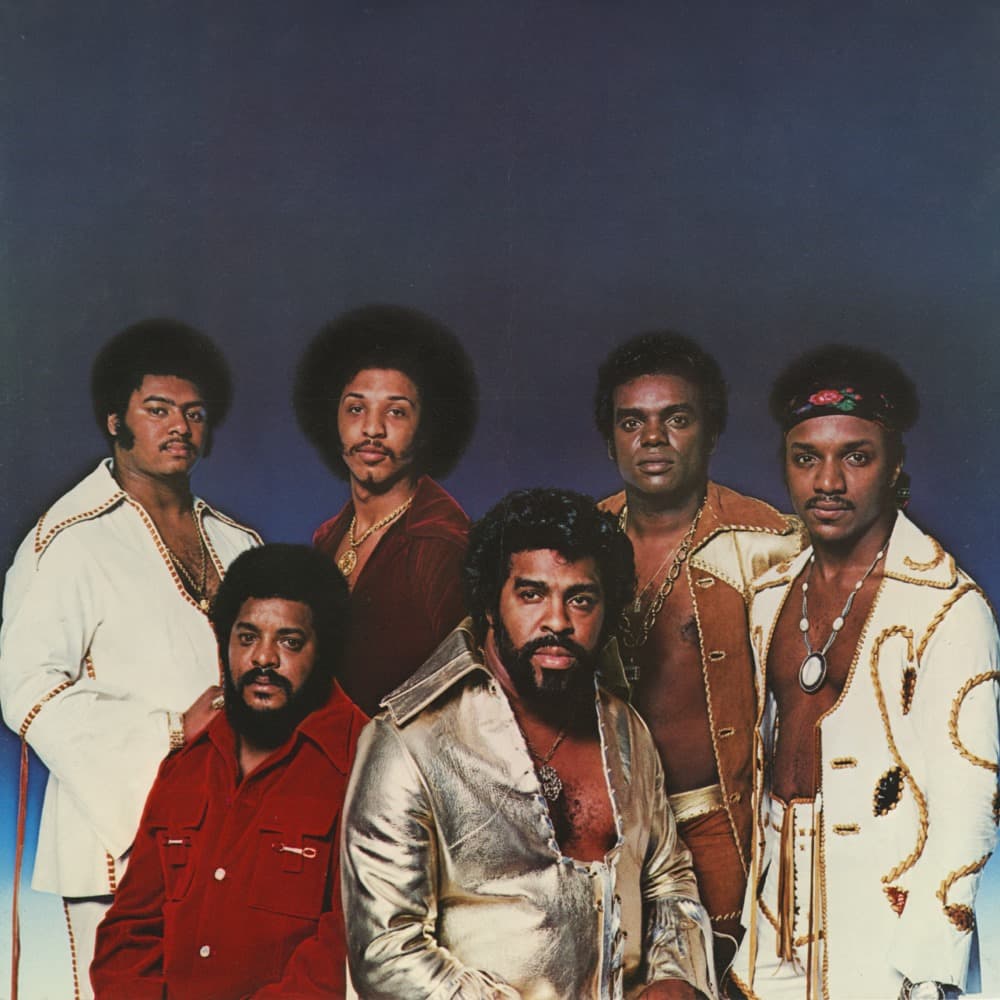
Image: The Isley Brothers / Facebook.com
The Isley Brothers had funk. Finding early success in the ‘60s with breezy soul hits like ‘This Old Heart of Mine (Is Weak for You)’, the band evolved throughout the decade, releasing the absolute classic that is ‘It’s Your Thing’ and cementing themselves as one of the premier funk bands of the day. They made tunes loaded with rhythm and made for dancefloors, so it’s no surprise that they were heavily sampled by hip-hop producers and loved by crate diggers all over the world.
The Delfonics
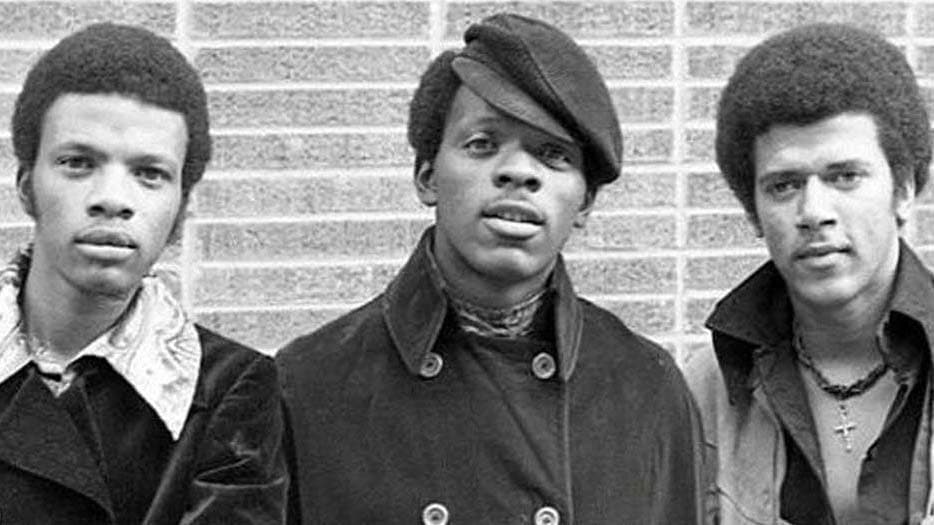
Image: Stax Records
While Motown was at the forefront of soul in the ‘60s, something else was bubbling some 500 miles away. Philly soul, to be precise. Philly Groove Records led the charge for the sound in Philadelphia, and The Delfonics were the label’s flagbearers. The trio brought a lush style to the soul world, favouring smooth vocals and expansive instrumentation over Motown’s punchier, chart-friendly sound.
Booker T. & The M.G.’s
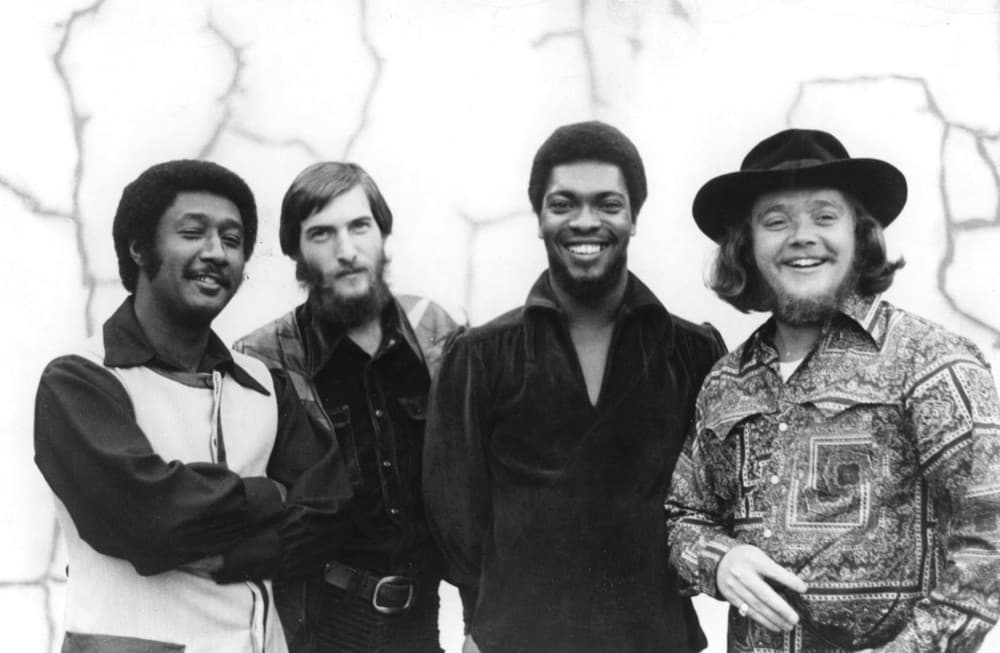
Image: Stax Records
Even if you haven’t got the first clue who Booker T. & The M.G.’s are, you’ve heard ‘Green Onions’. An R&B and soul classic, it’s soundtracked films, been heard in video games and major TV shows. The band behind it, led by Booker T. Jones, were initially the house band for legendary soul label, Stax. Sure, they provided the backing for giants like Otis Redding, but they refused to sit in the background, pumping out organ-driven soul jams and treating us all to a world of great music.
From chart-shaking rock and mind-bending psychedelia to soul groups, folk innovators and bands that helped pave the way for punk and metal, the 1960s gave us sounds that still echo through music today.
Picking the best bands of the 1960s is never going to be easy, and there are plenty more names that could’ve made the cut. But whether you’re here for The Beatles, The Supremes, Pink Floyd or The Stooges, these 1960s bands helped shape what came next — and we’re still feeling the impact.
Click HERE to read about the best bands of the 1990s and HERE to read about the best bands of the 2000s.
Follow us on Instagram, TikTok, Threads, Facebook, and YouTube for the latest music and events content.


Read more news


Articles you may be interested in
related artists





Gigs ● Clubs ● Festivals ● Things to do
“On your side since 2001, because we believe true fans deserve a fairer and smarter way to discover events they love.”
Why use Skiddle?
- Rated 5 stars on reviews.co.uk
- Over 17 million tickets sold
- Over 4.3 million happy customers
- Skiddle Supports - Together, we are More Than A Ticket
- Official Primary Ticket outlet
- Established 2001
- Support the Fanfair Alliance
- Sustainability - Make a positive impact
© 2001 - 2026 Skiddle Ltd | Skiddle is a registered trademark | ALL RIGHTS RESERVED