

Nicole Moudaber Interview: “Music has always been part of who I am”
We caught up with techno legend Nicole Moudaber to talk about new single ‘AI Love You’, her tech house label MoodCollective, how her craft has developed, and much more.
Gabriel Arnold
Last updated: 17th Jul 2025
Nicole Moudaber is an industry trailblazer, a champion of underground culture, and a philanthropist rolled into one, as well as being one of the most revered DJs in the world. Born in Nigeria, raised in Lebanon, and now based in London, Moudaber’s background and journey is almost as remarkable as the career she's carved.
Starting out as a promoter in Beirut’s underground club scene, Moudaber grew tired of Lebanon’s ultra-conservative politics and wound up in London, where she caught the attention of a certain Carl Cox, signing to his record label in 2009. Her debut LP, Believe, was released in 2013, the same year she founded her label, MOOD Records, with her radio show InTheMood debuting the following year, and in the years since has amassed a towering influence within the world of techno.
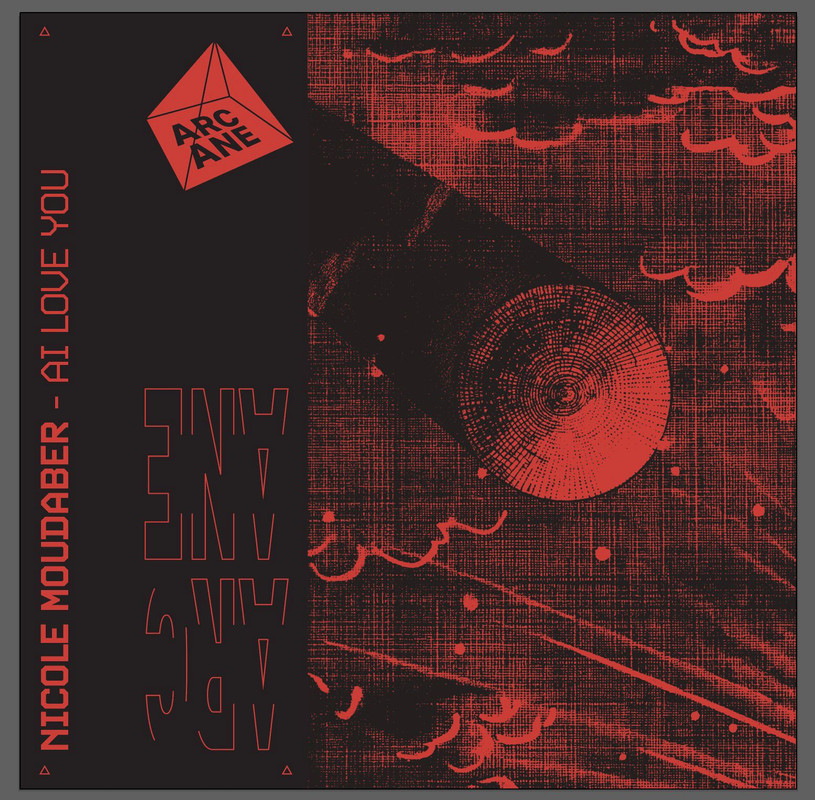
Today, Moudaber is celebrating a decade of InTheMood, and now has a new string to her bow in the form of fresh-faced tech house label MoodCollective, which will see the techno star exploring new genres and avenues. Her latest track ‘AI Love You’, which dropped on 11th July via Eli Brown’s Arcane label, sees Moudaber experimenting with AI vocals, using the alluring yet controversial technology as a tool rather than as the driving force.
In the wake of the new single and with a mammoth career to cover, we caught up with Nicole to chat all things AI, techno, and her ventures both behind the booth and beyond. Check out what she had to say below!
What can you tell us about 'AI Love You'?
"‘AI Love You’ was pure fun to create. AI is everywhere right now, you literally can’t escape it, so I wanted to tap into that energy in a playful, creative way. It’s a no-nonsense techno track, raw and direct—I’ve been hammering it in my sets for months, and the response on the dancefloor has been wild. There’s definitely a commentary in there about our relationship with technology, but at the end of the day, it’s a track that bangs. It hits hard, it moves people, and that’s what matters most."
What inspired you to experiment with AI vocals, and how far does your interest go?
"I’m genuinely fascinated by what AI can do—there’s something both incredible and a little unnerving about it. It’s this weird blend of creativity and code, and I wanted to dip my toe into that world without fully diving in. For me, it wasn’t about replacing anything human— it was about experimenting with sound and seeing where it could take me.
"The track came together as a kind of sonic experiment. The vocal isn’t AI-generated, but I processed a sample so heavily—with layers of effects, plugins, and sound design—that it ended up feeling almost synthetic. That transformation was interesting to me, and it made sense to reflect that in the track title, with a little tongue-in-cheek twist.
"Visually, I’ve also started playing with these ideas—my last video clip for 'A Feeling' on Nervous was created entirely with AI. It allowed me to explore this surreal, dream-like aesthetic that would have been almost impossible to pull off with traditional methods. Again, it’s about using the tech as a creative tool, not a shortcut.
"I’m still figuring out how far my interest goes with AI. I don’t see it as the future of everything, but I do think it opens up wild creative possibilities if it’s used with intention. Like any tool, it’s about how you use it. If it can enhance emotion, push boundaries, or unlock new textures, then I’m open. But I’ll always come back to the soul of the music."
With your new track seeing you experiment with AI vocals, where do you think the limit for the technology will be, especially concerning the music industry?
"I’m a purist at heart. To me, music is about human connection. The emotion, the imperfections and the soul. That’s where the magic lives and it’s what makes a track hit you in the chest, not just in your ears. But at the same time, I’m not closed off to new ideas. People once said electronic music wasn’t “real music”, and we proved them wrong. So I’m keeping an open mind when it comes to AI and new tools in the studio.
"For this new track, the vocal isn’t actually generated by AI - it’s a sample I mangled using loads of plugins to shape it into what you hear now. It felt right to name it with a little twist, a nod to how it sounds rather than how it was created. It was all very instinctive. That said, there’s a limit to what technology can replicate. No algorithm can recreate the energy that happens when people come together on the dancefloor and the feeling of unity and the humanity in it. That’s sacred."
What led you to work with Eli Brown and his record label Arcane?
"Eli’s vibe is amazing—raw, bold, and completely unapologetic. I’ve been watching what he’s been building with Arcane, and I really respect the vision behind it. There’s a certain edge to the label that I connect with—it’s not afraid to push boundaries, and that’s always been part of my own ethos too.
"We actually met for the first time last year in San Francisco. I was about to go back-to-back with Carl Cox at a Burning Man fundraiser, and we got to hang out backstage for a bit. I really loved his energy—super grounded, passionate, and all about the music. That kind of connection stays with you.
"So when the opportunity came up to release something on Arcane, it felt completely natural. It’s the kind of collaboration that just makes sense—shared values, mutual respect, and a hunger to push things forward."
Your career has seen you team up with and be inspired by the likes of Carl Cox. How have these figures shaped your sound?
"Carl discovering me changed everything. He gave me my first big stage, and from there, the bond just grew. His energy, generosity, and command of a crowd still blows me away. He’s been a mentor, a collaborator, and a true friend. We’ve shared unforgettable moments, and made some serious noise along the way. Oh yes, oh yes!"
Growing up in Nigeria and then Lebanon, what led you to first discover dance music and how has your background influenced that?
"Music has always been part of who I am. Growing up in Nigeria, I was surrounded by rhythm - tribal beats, percussion-heavy grooves, sounds that move your body whether you want to or not. That foundation stayed with me. Then in Lebanon, I found myself in a completely different environment, but still searching for that same kind of release and connection through music.
"The real turning point came when I started organising events for the first time in Beirut, Lebanon after the war. That’s when I fell in love with dance music, not just the sound, but the culture and energy behind it. Bringing the first international DJs to the region back then was unheard of.
"I faced a lot of pushback - social, political, even legal obstacles. But that resistance only made me more determined. It wasn’t just about throwing parties, it was about creating a movement. I wanted to open people’s minds and give them a space where they could feel free. Looking back, those early experiences shaped everything I do now. That hunger, that fight, that need to connect people through rhythm still drives me today. It’s why I do what I do."
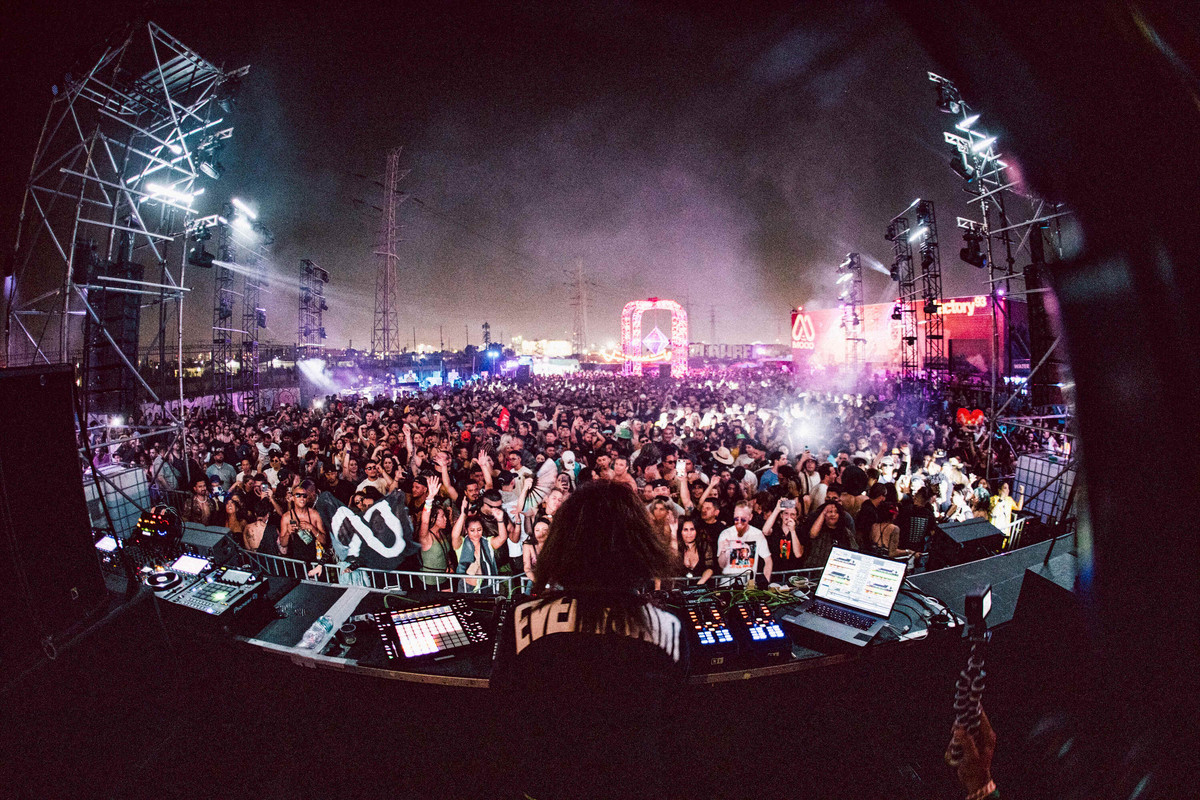
You have a longtime association with Drumcode and their brand of techno, where do you think the future of the label and that kind of music lies, especially with the rise of hard techno in recent years?
"Drumcode will always be amazing. It’s a label known for consistency, quality, and a clear vision, and it’s been an anchor in my own journey and continues to set the benchmark for peak-time techno. As the scene shifts and new subgenres like hard techno rise, I think Drumcode will remain solid. It’s about evolution not competition. Trends will come and go, so it’s not about chasing hype; it’s about longevity."
Why did you choose to pursue tech house as the focus for your new label, given your past with techno?
"This isn’t me leaving techno, far from it! MOOD will always stay true to that sound; it’s the foundation of so much of what I do. But people forget that my roots actually started in house music. If you look back at my early catalogue, it’s all there - groove-heavy, soulful, rhythmic. That sound has always been part of my DNA.
"MoodCollective is about giving that side of me more room to breathe. I needed a separate space where I could experiment freely, without limits—no rules, no expectations. I’ve never liked being put in a box, and this label is my way of staying true to that. It gives me the freedom to explore different vibes, while still honouring where I come from.
"It’s also about creating space for others. I come across so many incredible producers, artists pushing boundaries with fresh, exciting takes on tech house. MoodCollective gives me a platform to spotlight those voices, to elevate the next generation and bring more diversity into the scene. So in a way, it’s not just a new chapter for me—it’s about opening the door for others too."
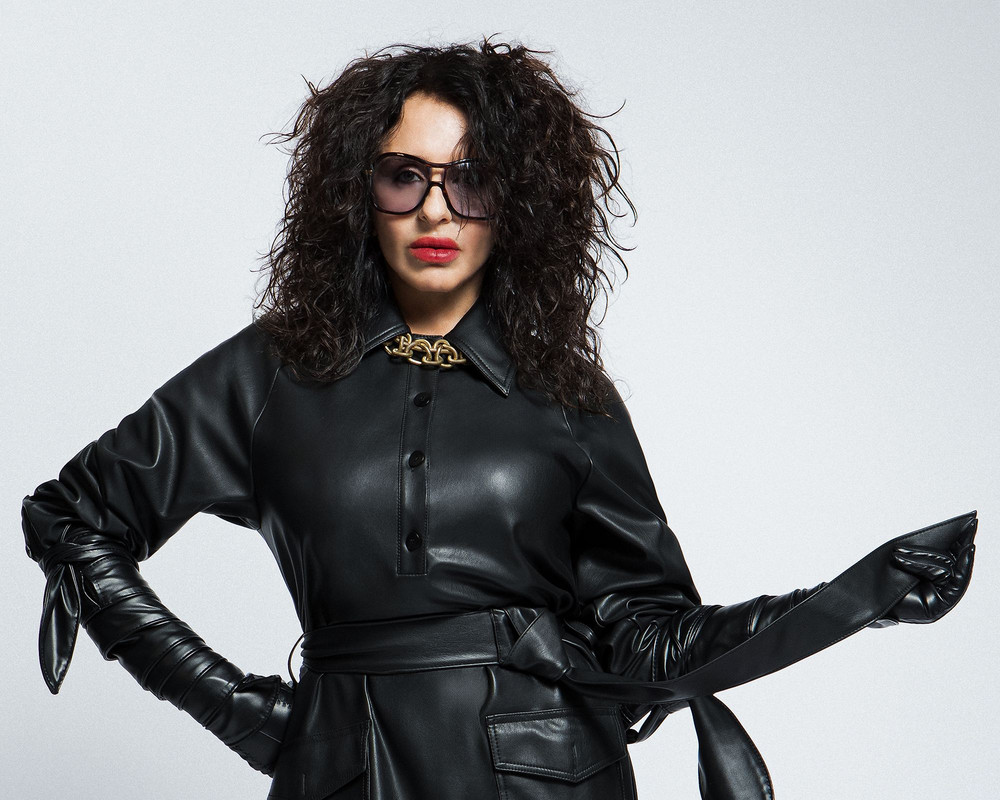
With your radio show InTheMood running for over a decade, who are some of your favourite artists/genres you’ve uncovered during your time as host?
"Too many to mention!"
Has running a radio show changed your perspective on the scene, and if so, how?
"InTheMood radio is a big commitment and a powerful one. It’s syndicated around the world, not just online, reaching over 15 million listeners each week in over 60 countries is no small thing, and it’s definitely shaped the way I see the scene. When I’m curating music on that scale, I can’t just play it safe. It pushes me to keep evolving, to dig deeper and to take risks. I’m constantly searching for tracks that move me and reflect where the sound is heading. The show keeps me tapped into the underground from all corners of the world - it’s like having a direct pulse on the global energy of dance music.
"But beyond the music, InTheMood has opened up a space for real connection. It’s not just a radio show - it’s a community. There are people who tune in religiously every week, who send messages from Tokyo, São Paulo, Detroit, Lagos... That global feedback loop is inspiring. It reminds me why I started doing this in the first place.
"As for the scene, I’ve definitely seen it shift over the years. It’s more fragmented now, but also more diverse. There are incredible talents emerging from unexpected places, scenes that are thriving off the radar. Social media plays a huge role in shaping visibility, but the real magic still happens in the dark corners of clubs and warehouses. For me, that raw, sweaty, collective energy when it’s just the music and the people - that’s what it’s all about.
"And I try to bring a bit of that spirit into the show each week."
You’ve just launched a new tech house label, MoodCollective, last month; what can you tell us about that?
"It’s a fresh start creatively. The first release, ‘Get Back’ with Castion, was such a joy to make - he’s very talented. MoodCollective lets me explore house grooves and crossover energy without compromising what MOOD stands for. It’s about freedom, fun, and opening new doors."
What are the things that attract you to house music, and how does that compare with your love for techno?
"They speak to different sides of me. Music is all about feeling, and both genres give me space to express different parts of who I am. It’s hard to put that into words, which is exactly why I put it into music.
"Each style has its own place and energy. I love the loopy, hypnotic repetition of techno—it puts me in a trance, and I see it on the dance floor too. House, on the other hand, is all about sensuality. It’s sexy, and it makes you move from the waist down."
Since the release of your debut album Believe in 2013, what are the major ways in which your approach to music and your craft have changed and developed?
"Believe was born during one of the hardest periods of my life. I was grieving the loss of my father and at the same time, my career was starting to take off. It was a deeply emotional time, and the album became a kind of release valve - pure emotion poured into sound. Every track was honest and straight from the heart. That experience taught me something I’ve carried with me ever since: that vulnerability isn’t a weakness, it’s a strength.
"Since then, I’ve grown in every possible way. I’ve become more experimental, more open to exploring new sounds and genres, and more confident in following my instincts. I don’t want to stay in one lane - I get bored. That’s why I’ve pushed myself to collaborate with a wide range of artists like Armin van Burren and Jamie Jones and release on different labels. It’s also why I’m creating a new album now that reflects the full spectrum of who I am."
Listen to 'AI Love You' on Spotify - HERE.
Want to see Nicole Moudaber live? Check out her events on Skiddle - HERE.
Follow us on Instagram, TikTok, Threads, Facebook, and YouTube for the latest music and events content.


Read more news



Articles you may be interested in


related artists


Gigs ● Clubs ● Festivals ● Things to do
“On your side since 2001, because we believe true fans deserve a fairer and smarter way to discover events they love.”
Why use Skiddle?
- Rated 5 stars on reviews.co.uk
- Over 17 million tickets sold
- Over 4.3 million happy customers
- Skiddle Supports - Together, we are More Than A Ticket
- Official Primary Ticket outlet
- Established 2001
- Support the Fanfair Alliance
- Sustainability - Make a positive impact
© 2001 - 2026 Skiddle Ltd | Skiddle is a registered trademark | ALL RIGHTS RESERVED