


IWD2026: empowering stories, challenges faced, and solidarity
Celebrate IWD2026 with Skiddle by listening to some of the voices of women in the music industry. Sharing their stories, experiences, and exploring what it means as a woman to work in the music industry today. Read more down below.
Date published: 6th Mar 2026
Despite how far we’ve come, the music industry still has a divide between the way men and women are seen. While filled with talented individuals, women still face challenges in getting themselves heard. However, at Skiddle, we recognise the women who are and have been making big moves in the music industry. Between getting on the frontlines (the decks) and being able to uplift those with their platform, International Women’s Day helps us acknowledge the true gems around us.
And this IWD, we were able to really hear how they feel with a range of questions that delve into each woman’s perspective on the music industry and more. Highlighting why representation is more important than ever before, and what the future holds for women in music.
Martha Bolton — Founder & Director of NOT BAD FOR A GIRL
(She/They)
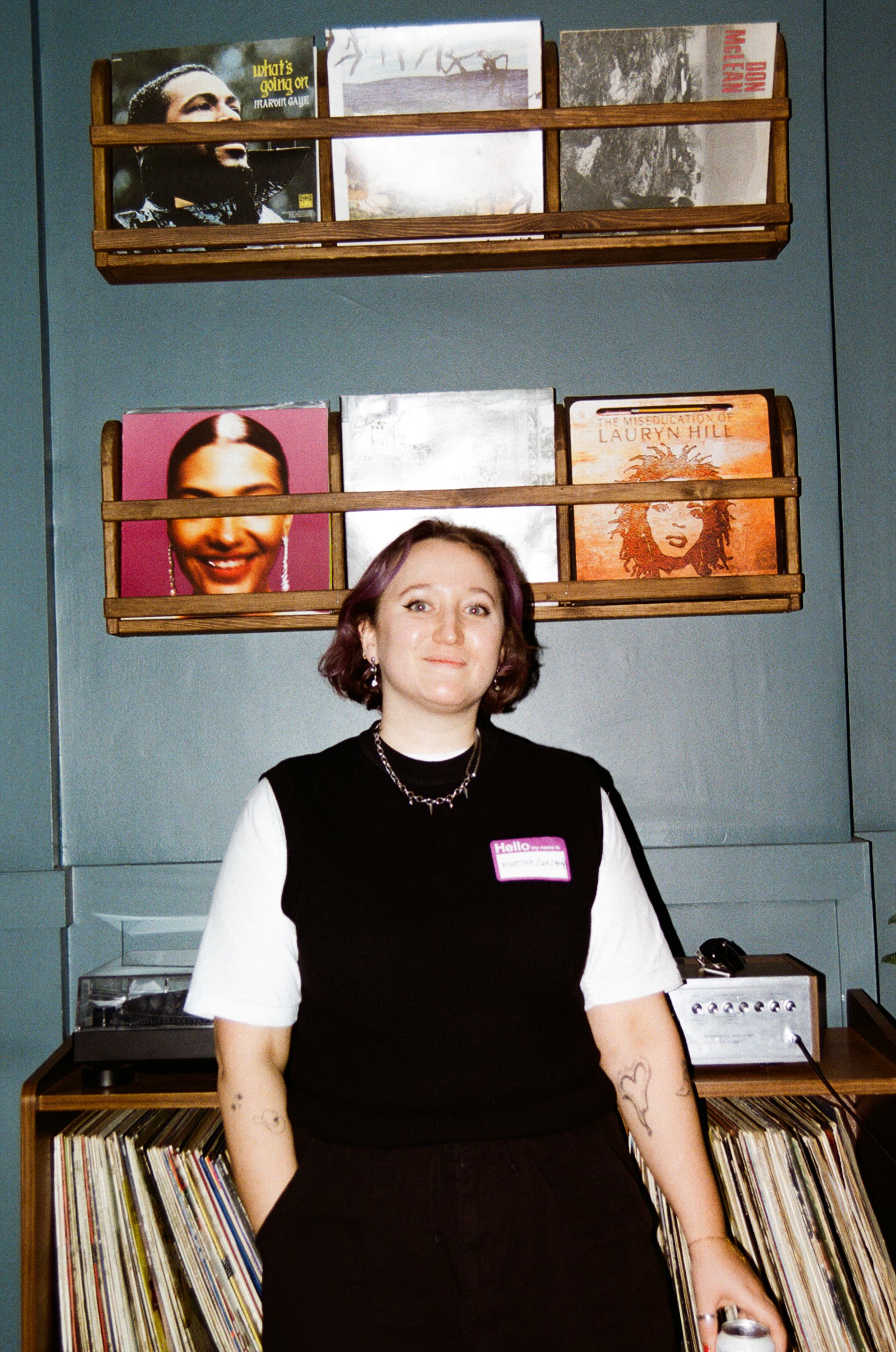
Based in London, Martha is the founder and director of NOT BAD FOR A GIRL. Always on the lookout for creating visibility that doesn’t just tick boxes, but uplifts those who share a passion for music, Martha has championed women and gender minorities in electronic music. Recognised fr her voice on equality, nightlife, and grassroots music culture, Martha continues to create a safe and welcoming space to combat gender discrimination in dance music.
Caitlin McAllister — Managing Director at Ministry of Sound
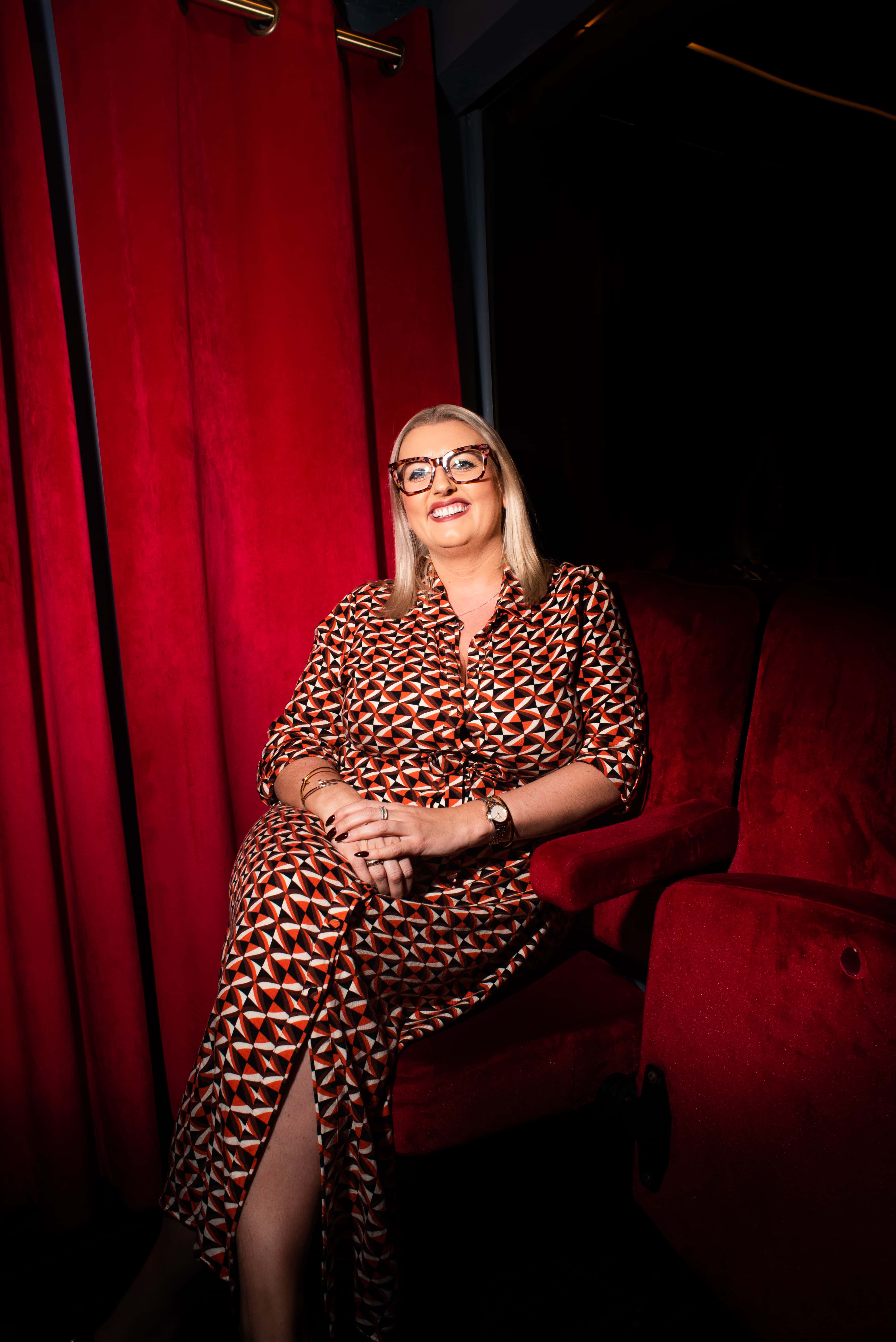
As the managing director at Ministry of Sound, Cailin McAllister has been dedicating a decade to leading and transforming the iconic brand. With a passion for music, Caitin gave us insight into her experiences within the music industry.
Gemma Curtis – Co-founder of GemFest
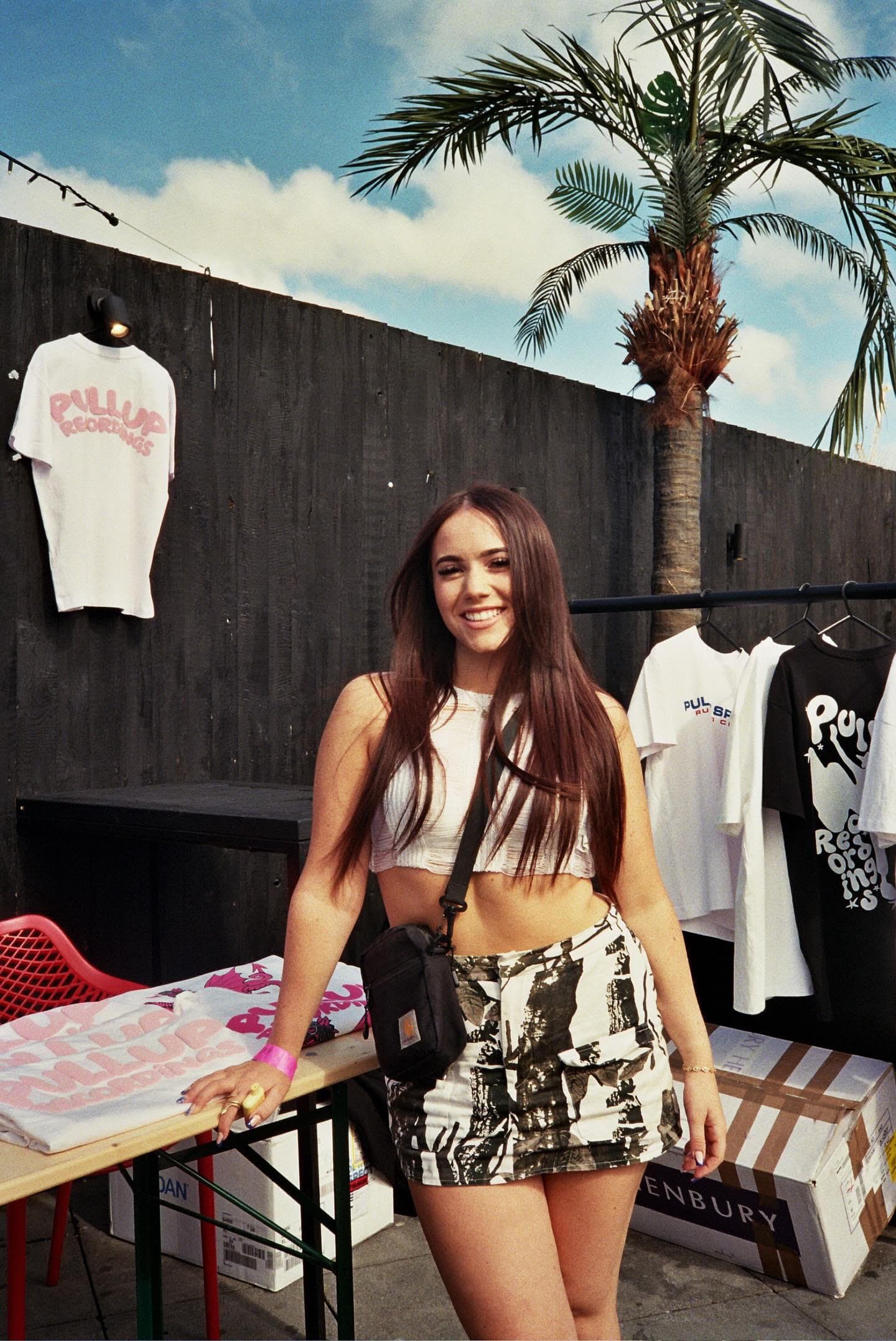
Not many people can say they have a festival not only created because of them but also named after them, too. However, Gemma Curtis can, and proudly stands as a co-founder of the unique festival GemFest. Determined to make GemFest not only a good place to gather but also to push in the right direction to make women feel seen for their talents, read more about what Gemma had to say about what being a woman in the music industry means for her.
Luna (Content Creator)
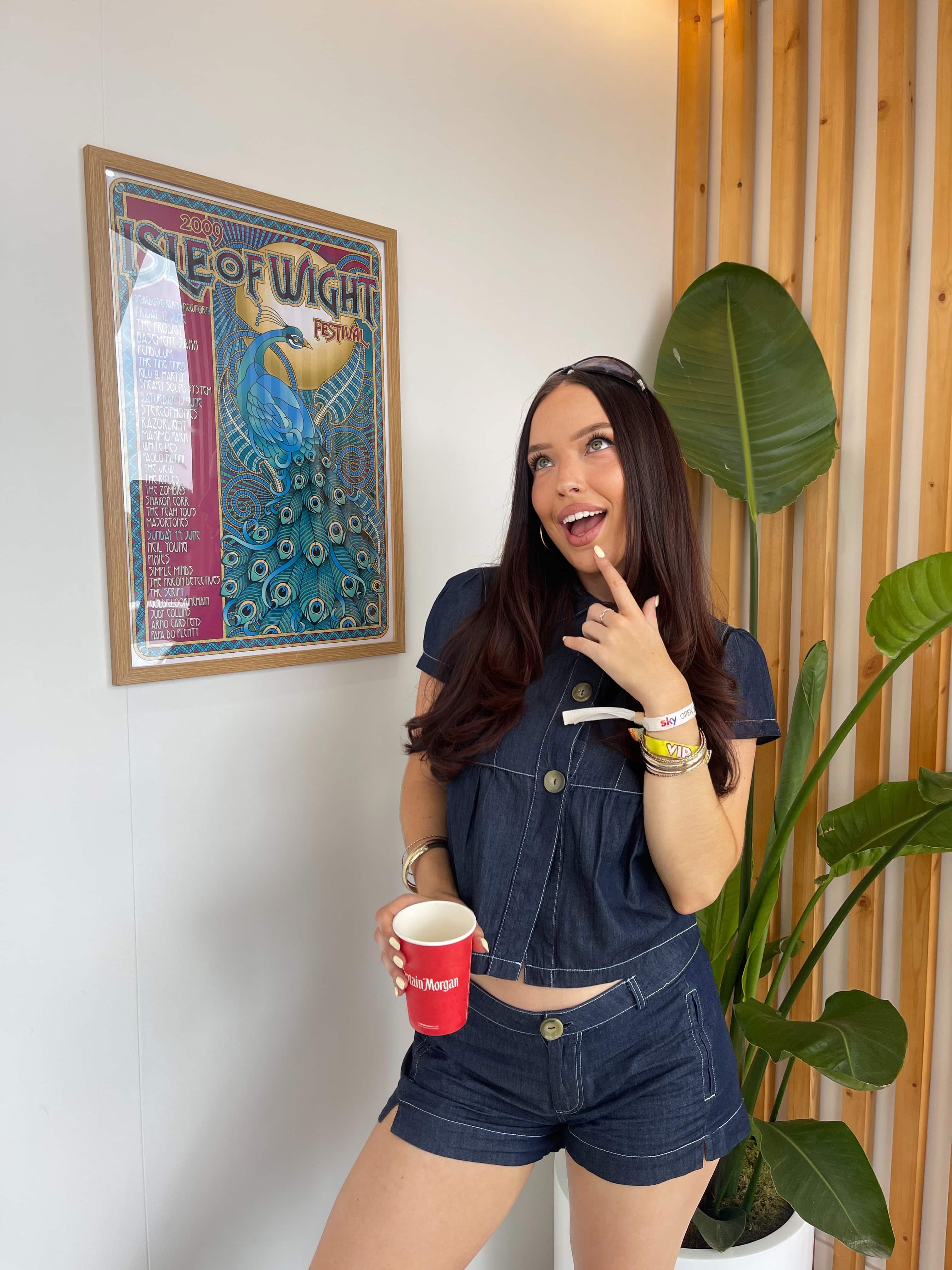
With 51.1k followers ON TikTok, Luna is not shy about speaking up for women in the music industry. Sharing both her experiences and feelings towards lineups, progression and more, Luna has curated content that opens space for conversations about the steps the music industry needs to take to be better for women and everyone in between.
CODA – Co-founder of TRANS VOICES
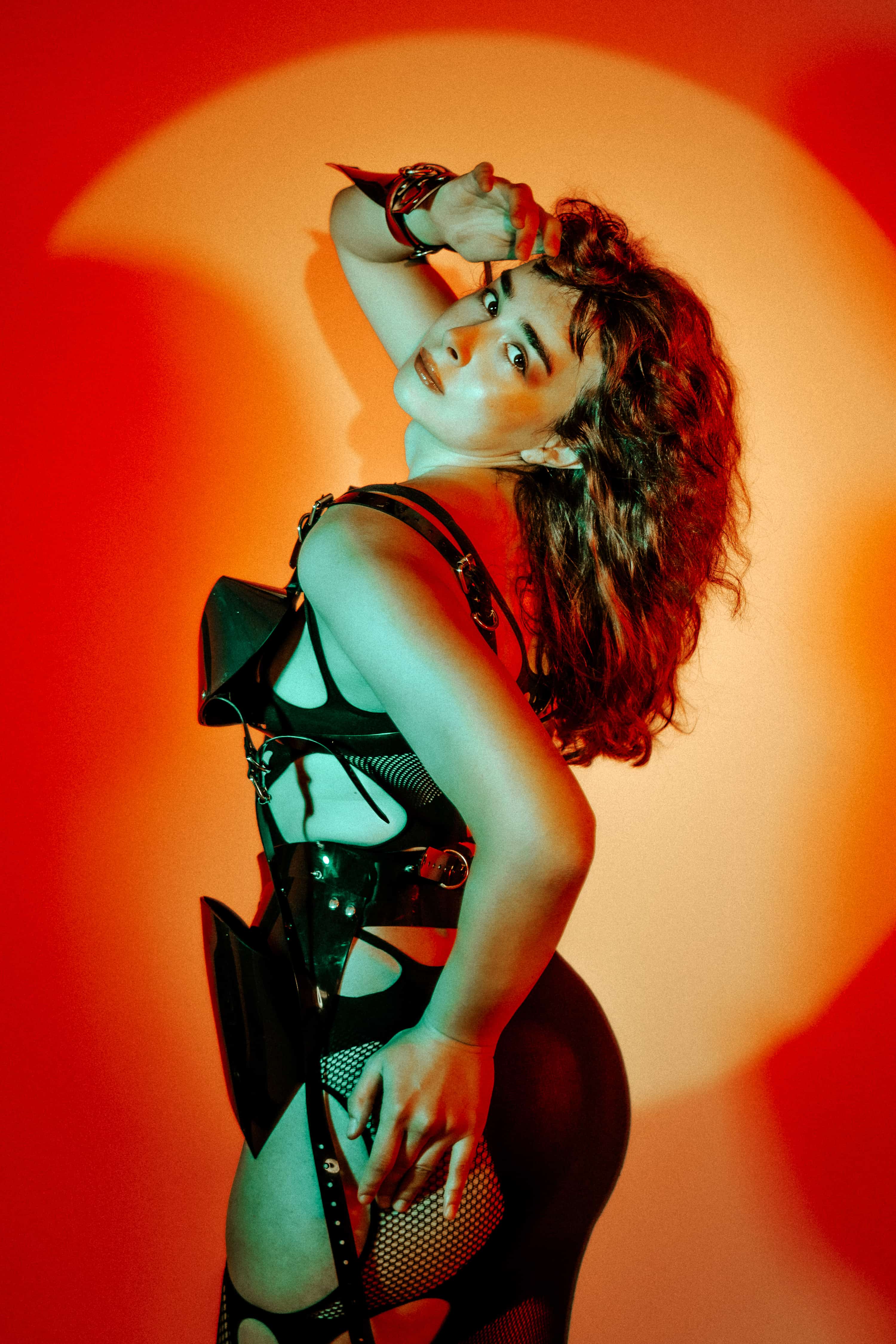
Artist, composer, and vocalist, CODA is constantly exploring intersectional identity and collective solidarity throughout their work with a major goal to see change across major institutions.
Goga Dandy – Unhinged Wales (Promoter/ DJ)
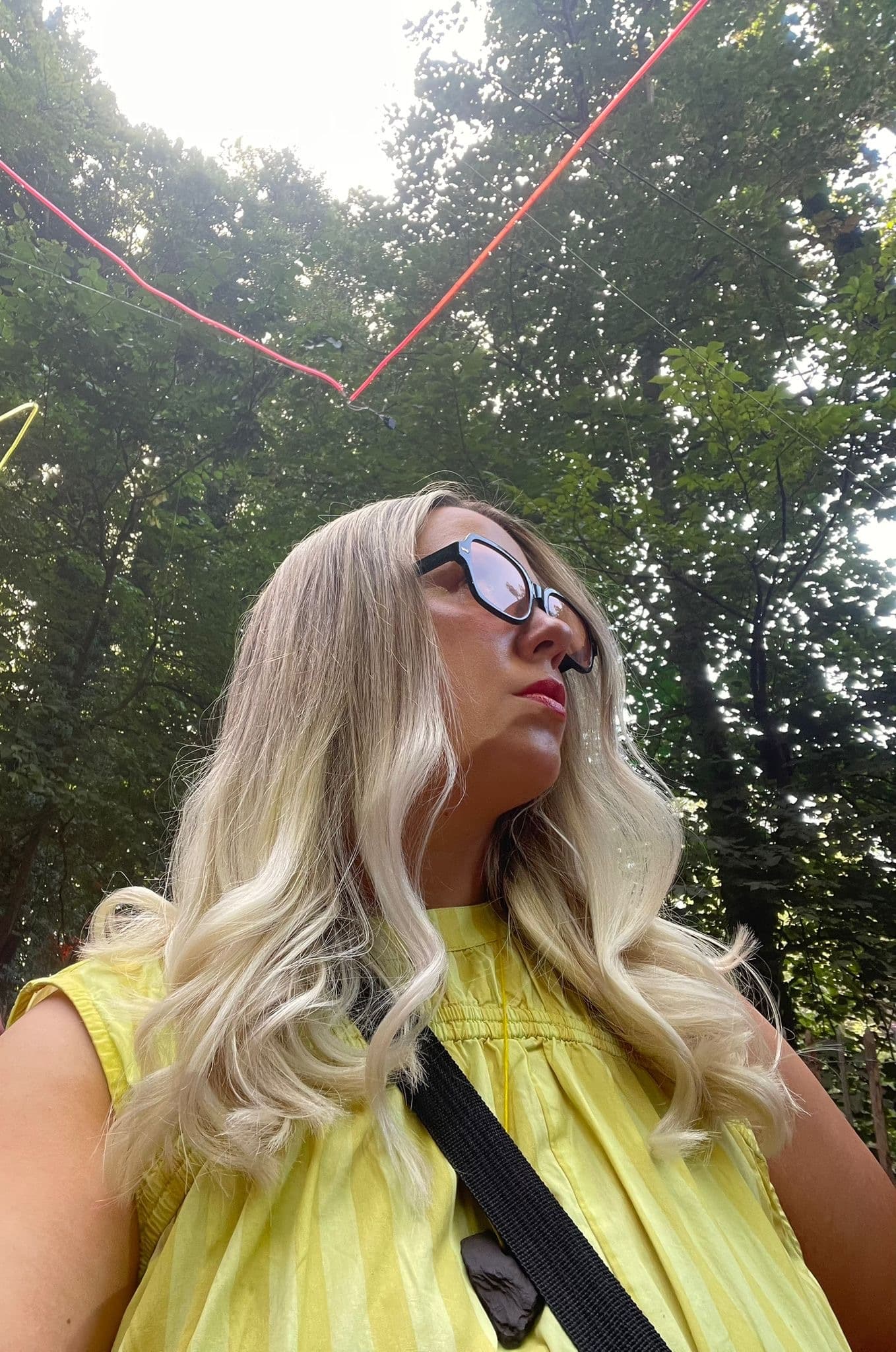
Located in Walkes Goga Dandy is both behind the decks mixing while being part of Unhinged Wales, which “cultivates rising artists, and brings established talent to Welsh audiences.”
Based on your own experiences, why is representation in the music industry so important?
Martha: “After starting my career in the music industry, I noticed that while socially I was surrounded by all of these incredibly talented women, trans people and non-binary people, my colleagues were predominantly cis men. Despite public-facing media campaigns and diversity drives, they still weren’t being given the support and opportunities they needed to make it professionally in music. It’s a tough industry, spaces are not always safe or welcoming, and it’s difficult to navigate when you feel alone. So we created NOT BAD FOR A GIRL as a support network — a place to vent and a place to sustain and inspire each other.”
Cailin: “Representation really matters because our audiences, across music and club culture, are incredibly diverse. If the people shaping the organisation don’t reflect that mix, you risk missing the mark. You need a genuine blend of perspectives in the room to ensure you’re connecting with people in the right way and creating spaces where everyone feels seen.”
Gemma: “Representation is about visibility. When you see someone who looks like you running a stage, headlining a lineup or building something from scratch, it changes what feels possible. In music, women make up a huge part of the audience. I grew up raving, and now I’ve experienced the industry from the other side of the stage and behind the scenes. The same goes for many minority groups. It shows that women and underrepresented communities are still not represented proportionally in the rooms where lineups are curated, events are built, and key decisions are made. Representation isn’t about ticking boxes. It’s about recognising the talent”
Luna: “When I started DJing in 2020, I unfortunately experienced a torrent of hate, almost solely from men. Whether that was because they felt threatened or more likely because misogyny still runs through parts of the music industry, it made things incredibly difficult. From feeling like a token female on a lineup to not being respected by male peers, it slowly chipped away at my motivation and eventually led me to step away. I can only imagine how many other women are discouraged before they even begin, especially when they see the scrutiny female DJs face. The lack of representation, particularly in all-male lineups, sends a clear message about who is valued. Even well-established women are often overlooked compared to men at the same level. Representation directly impacts who feels welcome in the scene.”
Coda: "Representation is how we signal to people that they belong, that their stories and perspectives have a place here. However, on its own, representation won't dismantle the systemic inequities baked into this industry. When we bring diverse voices into the room, they often make visible the injustice and inequity that otherwise remain conveniently hidden. The danger comes when such concerns are raised, but no actions follow. Ultimately, representation is a step in the right direction, not a destination.”
Goga: “Representation in the music industry is essential because it directly addresses the long-standing lack of diversity and inclusion that still shapes so many corners of the scene. When you see people who look like you, sound like you, or share similar lived experiences, it becomes easier to imagine yourself taking up space in those environments, too. Without women in the industry forging paths before me, I genuinely don’t think I would have been inspired to become a DJ or a promoter. Their presence, their confidence, creativity, and resilience showed me that it was possible, even in moments when (and still now!) I felt unsure of myself. The women I work with today continue to reinforce that belief. As a DJ, I’ve always been intentional about platforming female producers. Different points of view matter in music, and pushing their work to the forefront is my way of ensuring that future generations see a broader, richer picture of who belongs on these stages. Representation isn’t just a buzzword; it’s the backbone of real change in an industry that needs it.”
What responsibility does everyone, from artists to promoters to audiences, have in pushing for fair representation?
Martha: “We all share responsibility, and good things happen when we have people willing to do the work at every level. In our Open Letter to the industry published in February, we set out clear steps that everyone, from promoters, bookers, artists, and fans [basically everyone else who cares] can take. For example, we encourage fans to use their influence to support the events, festivals and promoters who are getting it right both by buying tickets and vocally. This also helps to drive the market in a positive direction and means that underrepresented artists aren’t seen as so much of a “risk”. When we talk about fair representation, the intersections of identities like race, age, class and gender must be considered, and these perspectives listened to with more intention. The stats are clear; the barriers for Black artists and trans artists, for instance, continue to be way harder to overcome than for cis white women. We firmly believe in constructive conversations always - we’ve found that shame is not an effective tool for change. We say we like to “call people in, not call them out”.
Caitlin: “The real responsibility lies in action. Promote and sponsor people who are underrepresented. Put someone forward for an opportunity. Endorse them for a role. Make sure they’re heard in the meeting. The small moments count just as much as the big gestures, sometimes even more.”
Gemma: “I think responsibility sits at every level of the industry, but it probably looks a bit different depending on where you are. Ultimately, representation happens when people are intentional. For promoters and organisers, it starts with being conscious about who you’re booking and who you’re giving opportunities to. Real progress comes from actively seeking out talented women and underrepresented artists and giving them meaningful opportunities. The talent is absolutely there. For artists, especially those with larger platforms, there’s also real influence in who you collaborate with, who you bring on tour and who you champion.”
Touching on how audiences play a role as well as her own responsibilities, Gemma said, “Supporting female artists, buying tickets, streaming their music and backing events that prioritise diverse lineups all send a message. The industry responds to what people show up for. For me, it’s about building lineups and spaces that genuinely reflect the breadth of talent that already exists. When we do that, the whole scene becomes stronger and more representative of the community that powers it.”
Luna: “I’m a big advocate for inclusion riders. If artists took small but meaningful steps, like requesting a more balanced lineup, it could create real change. There can sometimes be complacency, with artists feeling that diversity is solely the promoter or booking agent’s responsibility. But it isn’t. It’s on everyone in the ecosystem. Artists have influence. Promoters curate culture. Audiences choose what they support based on what’s put in front of them, etc. If everyone takes even a little ownership, the shift to a diverse scene would arrive much sooner.”
CODA: “The responsibility is enormous across the board, and I'd argue that we all have the agency to improve representation, inclusion, and equity within our communities. At TRANS VOICES, for example, we aim for around 50% global majority singers in our lineups and actively push for access costs on top of fees, so that singers with disabilities can participate as fully as possible. What often gets overlooked, though, is that a lineup might look diverse on paper while the people calling the shots behind the scenes remain a fairly homogeneous group. But it's also where allies have the most room to advocate for change, and champion marginalised talent right now.”
Goga: “Because I sit across all these roles, artist, promoter, and audience member, I feel the responsibility from multiple angles. As an artist, I believe strongly in allowing women to take up space in visible, forward-facing ways. That means celebrating our work, pushing for equal billing, and refusing to shrink ourselves to fit into outdated expectations of what an artist should look or sound like. As a promoter, fair representation is always at the forefront of my mind. I regularly challenge the thinking of my male counterparts when programming lineups, reminding them that diverse talent is out there, and there are no excuses. Something that still makes me proud is that, without even realising it at first, we once booked an all‑female headline show purely based on talent. It happened subconsciously.”
Goga dove into the topic deeper: “These small decisions genuinely matter. It’s about being deliberate and accountable if you say you value representation, it has to show up in the choices you make and the stages you create. As a spectator, whether I’m at an electronic night or a classical performance, I see community-building as core to the experience. Being present for one another matters. Sometimes that means calling out behaviours from venue staff or fellow audience members when necessary. I really believe in the saying “it takes a village,” because building a safer, more equitable music culture truly requires collective effort.”
Beyond backstage, what does real allyship on the dancefloor look like when it comes to protecting women?
Martha: “It’s all about safety provisions and structures of care, which is something we’re currently working on. In a recent panel I did with Coda Nicolaeff (Founder of Trans Voices), we spoke about what ensuring true inclusivity looks like, with some clear outlines of what I’d like to see more of at venues. Does the promoter have clear anti-harassment policies? Are staff trained? Is there a culture of all people being respected backstage and in the booth?. You can’t invite people into unsafe environments and expect nothing but gratitude for giving them visibility.”
Cailtin: “I feel incredibly strongly about women’s safety in nightclubs; it’s been a major focus for our operations team and me. We’ve introduced dedicated welfare teams and significantly strengthened training for everyone, from security to bar staff to managers. Real allyship is proactive. It’s about creating an environment where women feel safe, supported and able to enjoy themselves without question.”
Gemma: “Allyship starts long before something actually goes wrong. It’s cultural. I’ve definitely had moments that remind me why this matters. I’ve walked into green rooms or had to step in to make decisions at events where I’m one of the few women there and had people question whether I’m even part of the team, when in reality I was helping run that event. I know for a fact the same question wouldn’t have been directed at the boys. Small moments like that show how easily women can still be overlooked in these spaces. They can make you feel small and knock your confidence, especially in an industry that’s still heavily male-dominated. That’s exactly why allyship is so important. On the dance floor, it’s about being aware. It’s checking in if someone seems uncomfortable rather than ignoring it. It’s respecting boundaries without someone having to loudly enforce them. It’s making sure your friends get home safe. Raving has always been rooted in community and looking out for each other and that should apply everywhere, from backstage to the crowd. ”
Luna: “Real allyship is about actively looking out for one another. That can be as simple as putting lids on drinks, keeping an eye on someone who looks uncomfortable, dancing with someone who’s lost their friends, or stepping in if something feels off. And this isn't just limited to women; this goes for all genders in the rave. The dancefloor should be a place for a good time, not anxiety. True feminism in dance culture means care for all. We need to take responsibility for the energy and safety of the space.”
CODA: “I don’t mean to go on a tirade, but men need to step up. Ignorance isn’t innocence, and men need to genuinely reckon with the way women, femmes, and especially those navigating intersecting marginalised identities, move through public and party spaces. I remember being subjected to a transphobic verbal attack at a male friend's birthday. It happened right in front of him, and he didn't even notice, which stung almost as much as the incident itself.”
Goga: “From my experience as a promoter in Cardiff and after working in many nightclubs over the years, allyship on the dancefloor goes far beyond slogans. It looks like real, practical safeguarding. One of the strongest policies I’ve stood by is never allowing a lone woman to leave a venue by herself. It’s a small action, but it creates a huge amount of safety and reassurance. Real allyship is proactive: noticing when someone looks uncomfortable, checking in, stepping in early, and making sure the environment is respectful and safe for everyone. Getting to know your audience helps massively, too. I’ve learned the names, faces, and energy of the people who come to my events. That familiarity builds trust, and trust builds safer dancefloors. When people feel seen, they feel protected. Allyship isn’t just a backstage responsibility; it’s a whole-room responsibility. And when done right, it transforms the dancefloor into the inclusive, joyful, and empowering space it’s meant to be.”
What keeps you hopeful about the future for women in music right now?
Martha: “Male allyship! Misogyny and discrimination against women are men’s issues, after all. We are proud to now be working with the likes of Michael Kill (CEO, NTIA) and Rory Bradshaw (Men’s Health & Wellbeing Creator). Some of our NBFG Champions, on reaching outside of NOT BAD FOR A GIRL’s echo chamber and calling a wider male audience in.”
Cailtin: “I look first at my own organisation and see brilliant women across so many different roles. When I speak on panels at industry events, the women I meet are consistently inspiring. I just hope we reach a point where we don’t need panels focused solely on women, where we’re simply recognised for the seriously shit hot jobs we do!”
Gemma: “For me, it’s the momentum. I’m 23 and a female co-founder in a space that historically hasn’t had many women in leadership roles. The fact that this is becoming less ‘unusual’ is really powerful to see. What gives me the most hope, though, is the level of talent and ambition I see from women across the industry. I’m constantly meeting women who are producing, DJing, managing artists, leading production teams and building communities from the ground up. It’s a power move, and the more it happens, the more normal it becomes. I’ve always been described as quite headstrong and tenacious, which I take as a compliment. I’ve personally never felt something was out of reach because of my gender, but I do think confidence is easier to hold onto when you can actually see other women doing the same things. Representation doesn’t just inspire the next generation, it strengthens the one that’s already here.”
Luna: “There are so many incredible women in music right now. For example, PinkPantheress winning Producer of the Year at the Brits and becoming the first woman to do so is HUGE. Recognition like that inspires a new generation of creatives to see what’s possible. We’re also seeing festivals like GemFest actively platform women and not just as a token gesture, but because they genuinely rate them. That alone dismantles the tired narrative that “there aren’t enough good female acts.” They’re there, you’re just too lazy to look! While resistance is still there, the conversation is getting louder than ever. Change is happening, and it feels like it’s moving in the right direction.”
CODA: “There's a growing awareness and genuine appreciation for intersectionality that I find energising. History teaches us that cultivating solidarity across our perceived lines of division is how we push back against the systems that oppress us all. I'm also moved by the sheer number of grassroots events (Plastyk, Club Stamina) and collectives (NBFAG, UGDGIRL) springing up and carving out space for culture to breathe and move forward, even as late-stage capitalism attempts to squeeze the life out of us. It definitely helps fight the existential dread of it all!”
Listen to our IWD2026 playlist here:
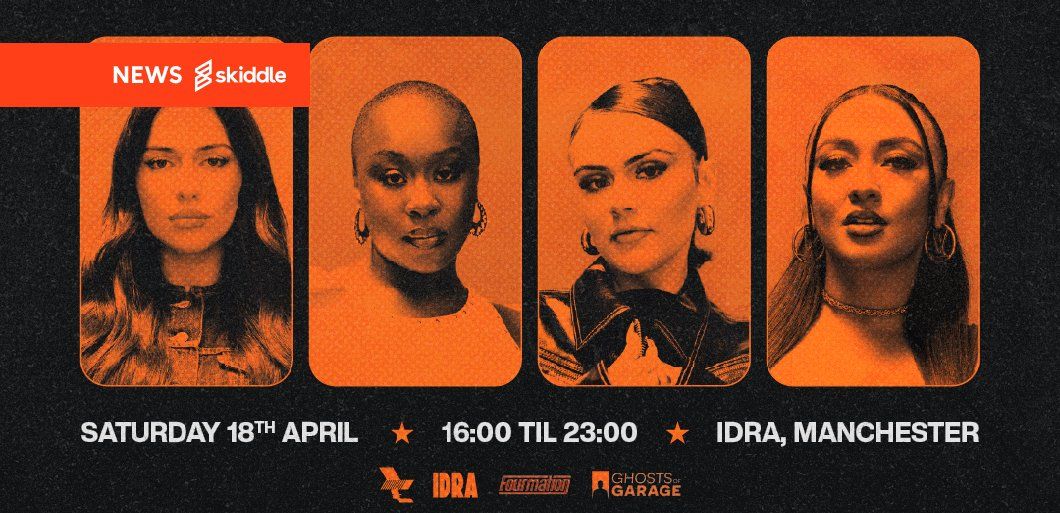
And IWD2026 does end here as Skiddle is filled with a range of fun-filled, immersive IWD2026 events that will have you embracing your full bad b potential. See where you can witness some talent this weekend!
Follow us on Instagram, TikTok, Threads, Facebook, and YouTube for the latest music and events content.



Read more news


Articles you may be interested in

Gigs ● Clubs ● Festivals ● Things to do
“On your side since 2001, because we believe true fans deserve a fairer and smarter way to discover events they love.”
Why use Skiddle?
- Rated 5 stars on reviews.co.uk
- Over 17 million tickets sold
- Over 4.3 million happy customers
- Skiddle Supports - Together, we are More Than A Ticket
- Official Primary Ticket outlet
- Established 2001
- Support the Fanfair Alliance
- Sustainability - Make a positive impact
© 2001 - 2026 Skiddle Ltd | Skiddle is a registered trademark | ALL RIGHTS RESERVED