


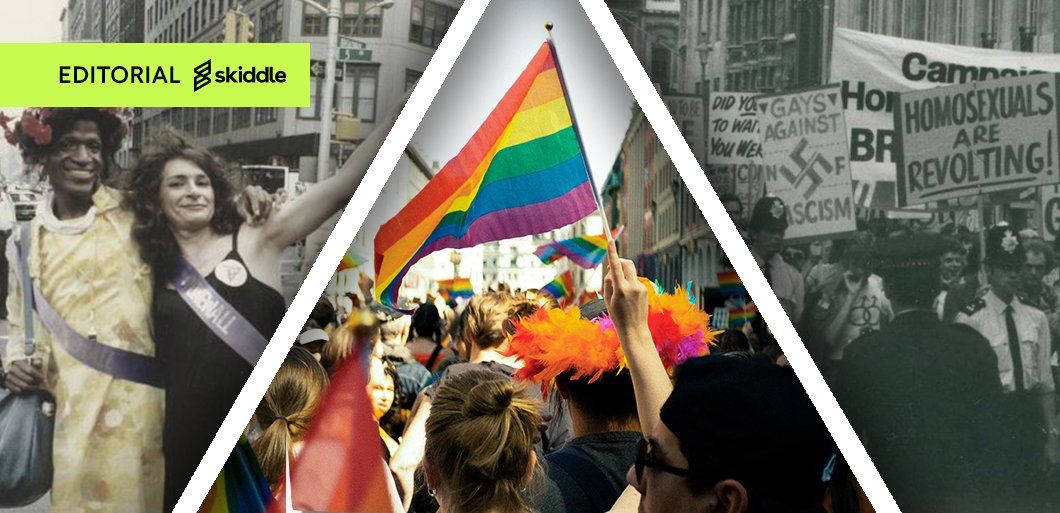
From protest to party: the evolution of Pride
From six nights of protest to Britney and cocktails, we traced how Pride has evolved since its inception 56 years ago.
Skiddle Staff
Last updated: 3rd Jun 2026
Pride is protest. It always has been and always will be. But Pride has switched its appearance up since its inception over 50 years ago.
For the first few decades of its life, Pride was aggressively in-your-face, unapologetic, and oftentimes dangerous. It was resistance. It was rebellion. It was the community stomping down the streets demanding they be seen. Bellowing, screaming for acceptance. The people involved were brave, fierce, and took absolutely no sh*t.
Today, people still march the streets during Pride, but often while Cher’s ‘Believe’ blasts from a McDonald’s parade float in front of them, rainbows on everything from flags to people’s cheeks (both kinds). Then, as the sun sets, the crowds flock to parties in clubs and on the village’s streets.
56 years on since the event that birthed Pride, we wonder, how exactly did we go from fighting cops to smashing G&Ts in G-A-Y?
The rebellion that started it all
Let’s set the scene. It’s June 1969, we’re in New York City, the city with the largest gay population in the USA. Being gay is illegal, and some psychologists in the US are still attempting to "cure" queerness with truly insane methods like conversion “therapy”, electroshock “therapy”, even castration and the occasional lobotomy, though the practice was being phased out. Even sharing a dance with someone of the same sex could be considered a "lewd" offence, resulting in arrest. Anyone who doesn’t conform to the established “norms” of society are outcasts. If you’re queer, at worst, you could be seen as an insane, immoral, predatory outlaw.
Bars are one of the few places LGBTQ+ folk can go out and be themselves without too much fear of judgment, harassment, and social discrimination from the public. A place to meet other queer people and socialise, presenting and behaving as they choose.
The NYC borough of Manhattan houses the Stonewall Inn, a dirty, pretty awful bar, but still one of the most popular gay bars in the city, with young gay men, lesbians, transgender people, drag queens, and runaway queer and trans teenagers making up the vast majority of its clientele. It also happens to be owned by the mafia, like many gay bars. It isn’t a perfect set-up - the drinks are watered down, and the owners aren’t the most savoury or moral characters - but where else would the queer community go?
Being a refuge for the community and mafia-run, it’s just a matter of time until it gets raided, despite the owners having paid the police off.
When the police would eventually descend on Stonewall Inn for the second time that week, and after raiding two other gay bars in the city earlier that month, everything would change.
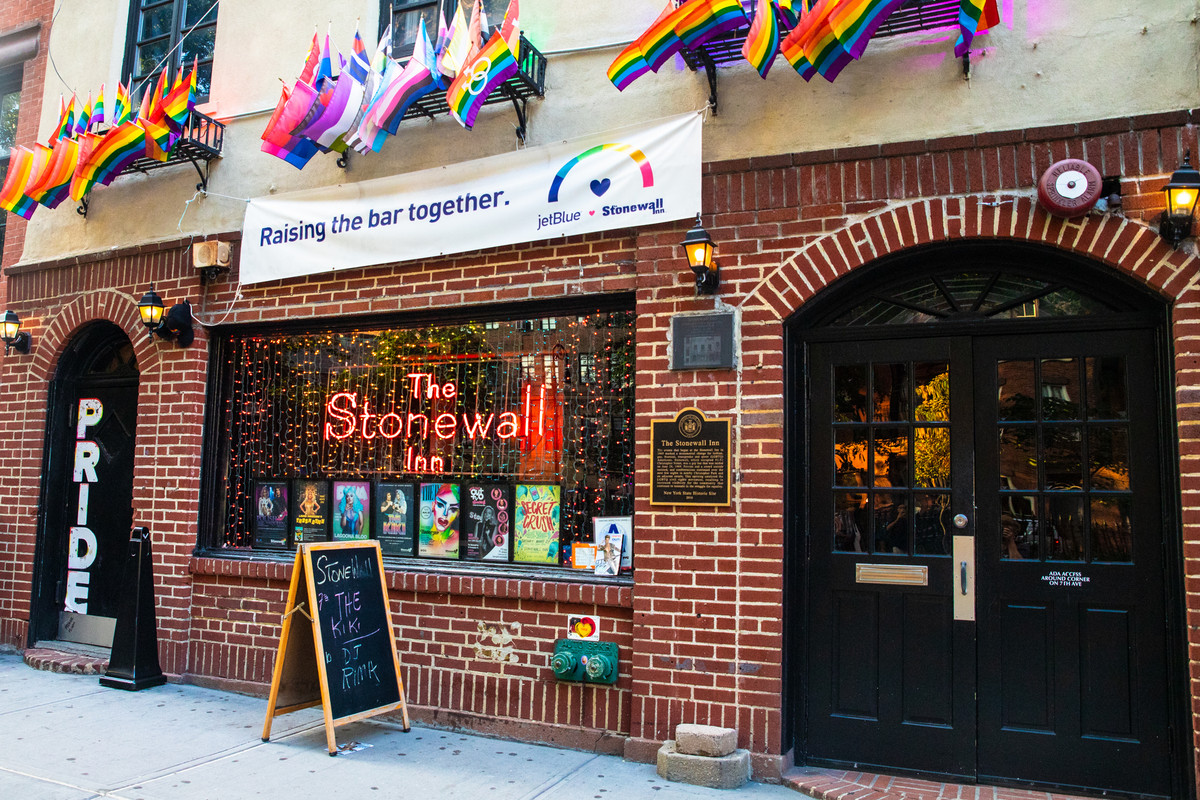
The modern-day Stonewall Inn
Just after midnight on 28th June 1969, half a dozen police show up to Stonewall - joining their undercover colleagues who were already inside - smashing up the bar, arresting staff for selling alcohol without a licence, and also arresting people for not wearing at least three items of "gender-appropriate" clothing - a genuine criminal statute in New York at the time named The Three-Article Rule.
At first, the mood outside the bar was quite light, with patrons laughing, joking, and striking poses and bowing as the police ushered them out. They were used to raids, with one patron saying to another, “Oh, it’s a raid - the police come in, take money out of the cash register, and walk out.” But when male officers harassed and bullied lesbians in the bar before roughly putting a woman into a squad car, the mood flipped, and patrons began shouting insults and hurling whatever they could find at the cops and their vans, like coins and bottles - contrary to popular belief, no bricks were thrown.
With around 200 customers piled outside the bar on Christopher Street, word quickly spread about the disruption, resulting in an over-400-strong crowd gathering to protest, pushing back at the cops. The cops called for backup, barricading themselves in the bar for safety, beating the patrons as they scrambled their way inside. For once, the queer community stood their ground while it was the police who retreated.
The riot police showed up. By this point, the rebellion had escalated, with lighter fluid used to ignite projectiles and a parking meter ripped up and used as a battering ram on the bar’s front door, the same one the police were hiding behind. 13 demonstrators were arrested, and at least one cop was treated in hospital for a head wound.
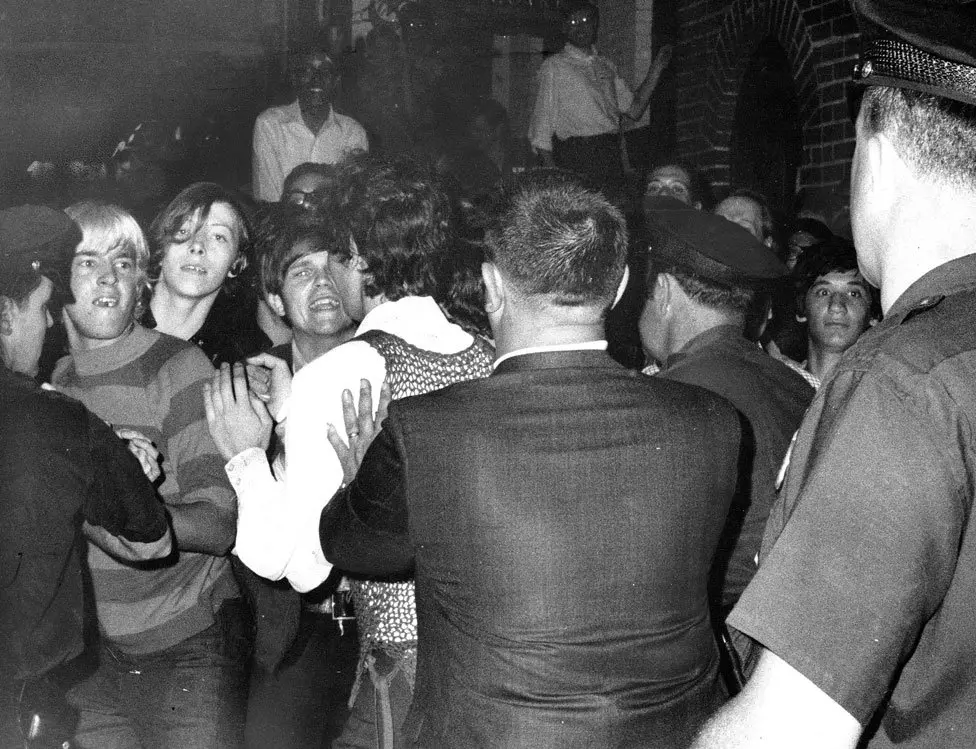
The only known photo of the first night of the Stonewall Inn rebellion
While the rebellion on the night reportedly lasted around 45 minutes, a homeless teenage Stonewall attendee named Mark Segal was handed a piece of chalk by his friend Marty Robinson. Marty gave him some instructions, and Mark set off up the street and, on the pavement and a brick wall further up the road, he scribbled "Tomorrow night Stonewall”.
The following night drew a larger crowd, partially because of Mark’s chalk messages but also because of a leafleting campaign during the day. The rebellion was more violent this time, with police using tear gas against protesters. These protests lasted six nights in total.
An explosion of activism: we will not be ignored
The Stonewall rebellion wasn’t the first time American LGBTQ+ people fought back. But something about this particular rebellion galvanised the community in the US and around the world to unite and take action. They’d had enough.
After Stonewall came the formation of more activist groups, including the Gay Liberation Front (GLF), formed in the US in the same year as the Stonewall rebellion. The GLF was the first organisation to use the word “gay” in its name. British activists Aubrey Walter and Bob Mellor had travelled to the US, where they attended a Black Panthers convention that, for the first time, invited delegations from the movements for women's and LGBTQ+ rights. Inspired, they returned home and founded the British branch of the GLF.
One month after the rebellion, the first openly gay march on the East Coast took place in the city on 27th July 1969. Then, on the first anniversary of the Stonewall rebellion, the first LGBTQ+ Pride marches were held on 28th June 1970 in New York, Los Angeles, and Chicago, with thousands of participants. For this, we can thank people like bisexual activist Brenda Howard, AKA The Mother of Pride, who earned the moniker for being instrumental in the first Pride marches.
Brenda also fought hard for the B to have its place in LGBT, and, along with activists Robert A. Martin and L. Craig Schoonmaker, is credited with choosing the word “Pride” for the events.
Two years later, on 1st July 1972, the UK's first-ever Pride march went down in London, with the date chosen as the nearest Saturday to the anniversary of the Stonewall rebellion, attracting around 2,000 attendees.
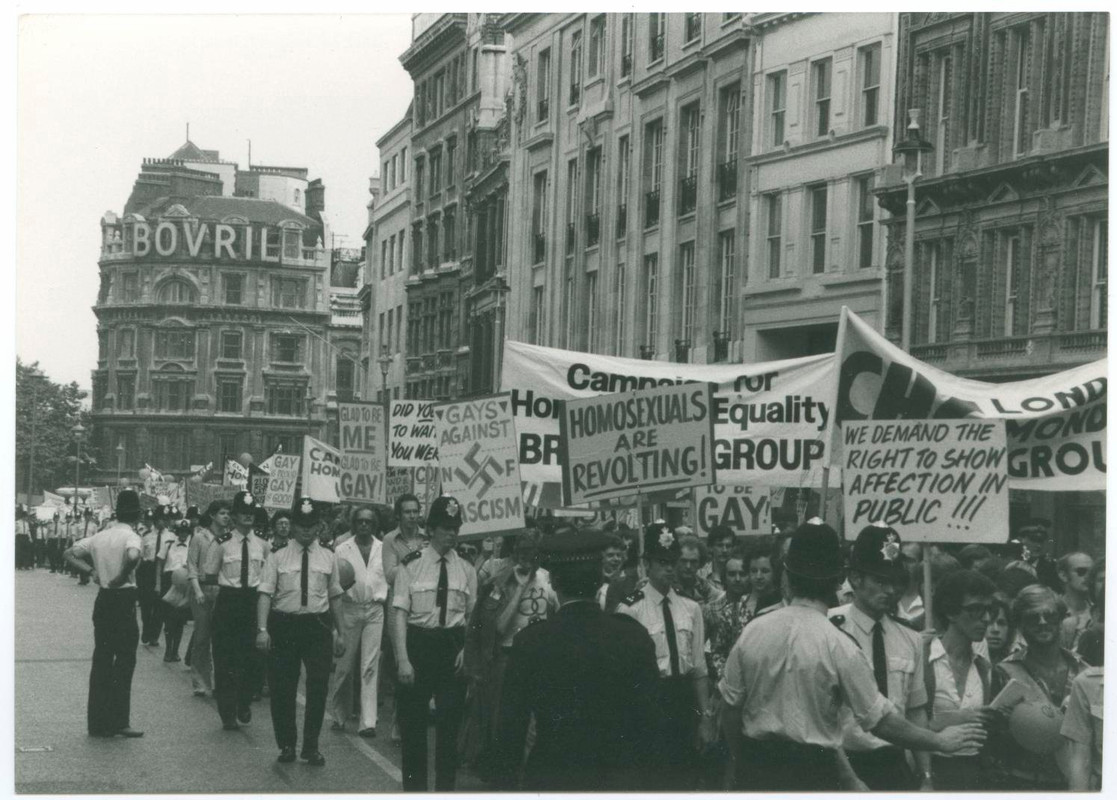
Image: Historic England / Facebook.com - London Pride protest, 1974
During the first London Pride, they also held a mass “kiss-in”, wherein the community openly kissed members of the same sex in front of the police in protest - this was an arrestable offence at the time. For the kiss-in, we can largely thank the GLF and Black LGBTQ+ activist Ted Brown. This all happened just five years after the decriminalisation of male homosexuality in England and Wales (1967), so long as it was private and the two men were over 21 years old. It was then decriminalised in Scotland in 1980, in Northern Ireland in 1982, and in 1993 in the Republic of Ireland.
Scotland’s first Pride march wouldn’t happen until 1995 in Edinburgh, Wales’ first was held in Cardiff in 1985, and Northern Ireland’s was first held in Belfast in 1991, with "just over 50 men and 25 women, accompanied by children".
When the ‘80s came, the angle of many protests and marches, including Pride, was geared towards the AIDS crisis and Section 28. Section 28 under the UK’s 1988 Local Government Act, introduced by Margaret Thatcher's government, stated that homosexuality couldn’t be “promoted” by British authorities. The act was flawed and confusing with its wording (and of course ridiculous), and meant the topic of homosexuality would be banned in schools, with some worried it’d also affect gay bars and clubs, amongst other things. It also damaged some Pride events as local councils withdrew their support.
Months before Section 28 even came into force, over 20,000 people took to the streets of Manchester to protest - a huge demonstration that saw a speech from Sir Ian McKellen. At the time, it was one of the UK’s largest LGBTQ+ demonstrations.
Fun facts: a group of lesbians abseiled into the House of Lords in protest of Section 28. Another group of lesbian activists also stormed the BBC News studio halfway through the Six O'Clock News the night before Section 28 came into force.
Instituted in 1988, Section 28 wouldn’t be repealed until 2000 in Scotland and 2003 in England and Wales.
Meanwhile, in the same decade, the AIDS epidemic was wreaking havoc on millions of lives - much of society, including government officials, mockingly donned it the “gay plague”. The US president at the time, Reagan, spoke of AIDS years too late, well after countless fatalities had already made a disgusting homophobic stain on human history, and discriminatory attitudes to gay men had worsened. Meanwhile, Thatcher was running her own homophobic AIDS press campaign in the UK (she was apparently "neurotic" about the idea of being associated with AIDS).
Greater Manchester’s chief constable of the police at the time also made a horrifying remark in the mid-’80s about how gay men were “swirling about in a human cesspit of their own making” at the height of the AIDS crisis.
AIDS killed 324,029 men and women in the USA between 1987 and 1998.
Were the Section 28 and AIDS epidemic protests related to Pride? Yes. Both events heavily influenced Pride, with attendees using Pride to shout about the injustices and, in the case of the AIDS epidemic, to mourn.
Even viewed separately from Pride, these events illustrate the LGBTQ+ community’s ties to protest, radical action, and the bravery that underpin what Pride stands for. And since the AIDS epidemic was so utterly devastating and handled in a deeply unjust and homophobic manner, it’s not uncommon to see tributes to its victims at Pride events today. This, these protests and the events that caused them, are yet another reason why we have Pride.
“Ya’ll better quiet down”: celebrating trans, lesbian, and bisexual icons
Before we continue any further, it’s vital we highlight the lesbians and trans people, particularly those who were BIPOC (Black, Indigenous, and People of Colour), who fought tooth and nail during the Stonewall uprising and who were instrumental in the activism that came after.
In an interview with Pink News, Mark, the boy who scribbled the “Tomorrow night Stonewall” message in chalk, explained how those with "nothing to lose" were the most involved. Those with families and good jobs fled, while trans folk stood strong. Folk like the hero Marsha P. Johnson, who described themself as a Black gay man, drag queen, and transvestite (the word “transgender” wasn’t widely used back then) were key figures in the Stonewall rebellion, with Marsha just 23 years old at the time. (The P in her name stood for “pay it no mind”, something she’d say to people who questioned her gender.)
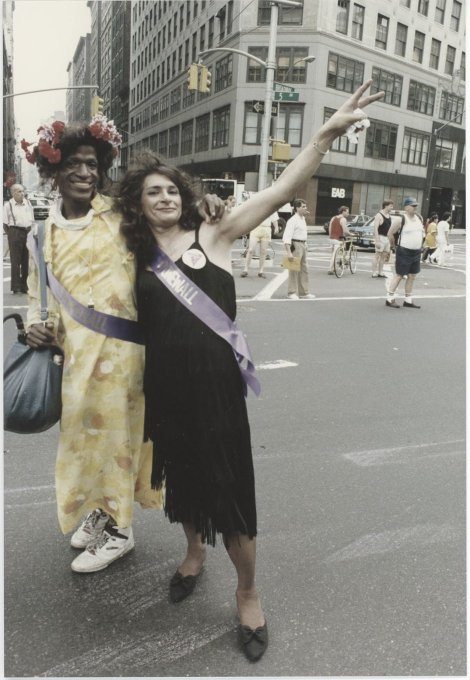
Marsha P. Johnson and Sylvia Rivera
She, with close Latina trans friend Sylvia Rivera, who was just 17 years old at the time of Stonewall, were both vital figures in the movement. Together, they also founded Street Transvestite Action Revolutionaries (STAR) in 1970 to support homeless gay and trans people, as there was an abundance of homeless LGBTQ+ runaways (which is unfortunately still the case today). Both had struggled with homelessness themselves. With STAR, they did whatever was necessary to look after those living in their STAR House, while also fighting for rights, including the prohibition of discrimination based on sexual orientation in employment, housing, education, and credit.
Even though trans activists worked hard for LGBTQ+ liberation, there was still somewhat of a divide within the community, mainly from white, cisgender gay men and lesbians who didn’t want anything to do with transgender people. The organisers of the 1973 Christopher Street Liberation Day Parade attempted to exclude trans people from taking part. What did Marsha and Sylvia do? They simply marched in front of the parade. They tried to stop Sylvia from speaking, but she managed to get on stage during the rally and spoke about the hardship she’d endured as a transwoman and her frustration at much of the community’s disrespect for trans folk and drag queens.
Intersectionality is still an area of contention within the community today, with “LGB” groups formed in an attempt to “other” and distance themselves from trans people.
Stormé DeLarverie was another important figure. A biracial, butch lesbian bouncer at Stonewall Inn, she was instrumental in igniting the rebellion that kickstarted the wave of activism that came after. A policeman hit her on the head at the bar. Some rumours say that she threw the first punch, straight to the cop’s face. While being dragged away, she screamed at the crowd, "Why don't you do something?" And, of course, they did. Even after Stonewall, her activism continued for over 30 years. Legally armed, she volunteered to protect younger lesbians and lesbian spaces from harm. She’s one of many leaders recognised on the National LGBTQ Wall of Honour at the site of the Stonewall Inn, along with Marsha, Sylvia, and Brenda (The Mother of Pride).
Without the work these legends put in, who knows where we’d be? Would same-sex marriage be legal? Would gay people have to make do and marry someone of the opposite sex and have kids to blend in? Today, many countries have granted LGBTQ+ people the same legal rights as everyone else, and we can’t say that’d be the case without those who laid the groundwork.
There's still a long way to go, highlighted by the recent devastating Supreme Court ruling in the UK, but without strong, fearless, and passionate leaders like Marsha, Sylvia, Stormé, and Brenda (The Mother of Pride), who knows where we’d be today. They put some serious graft into organising, giving back to their community, and standing on the front lines during a time when they were demonised and regularly targeted or shunned. Add to that the fact that they weren’t white, and you see how truly brave they were to be front and centre.
And while we should all be incredibly grateful to the absolute icons who took part in the rebellion, we should also take a moment to shout out those who staged pre-Stonewall uprisings, like those at Baltimore's Pepper Hill Club raid in 1955, which saw over 162 people arrested, the biggest club raid in Baltimore history.
Protests and parties
So, how did all this radical activism become parties and parades soundtracked by laughter and girly pop?
Well, the queer community always had strong ties to parties, clubs, bars, and raves. That’s why the Stonewall Inn was such a vital space to begin with. As a group on the fringes of society, it just made sense that they would unite for music and/or alcohol-focused events and spaces, including less-than-legal ones. The people behind bars, like Stonewall, queer clubs, and illegal raves, already didn’t care about what the law or society thought. They were inherently rebellious. And music is freedom. It was a match made in heaven for many in the community.
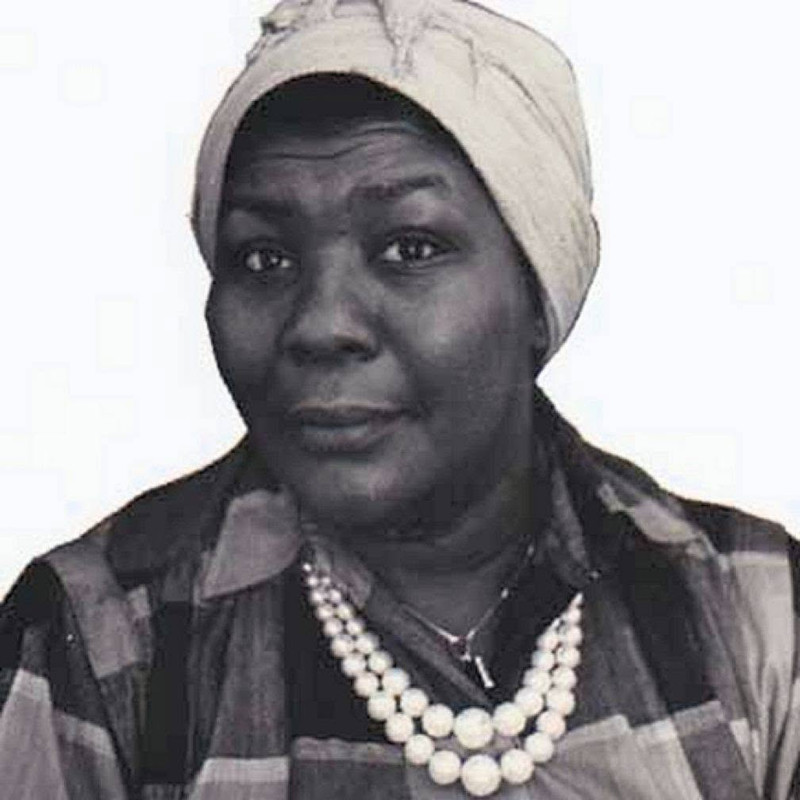
Image: Brixton Library - Pearl Alcock, bisexual hero who offered a safe space to Black gay men
One example we’d like to shine a light on is Pearl Alcock, a bisexual Jamaican woman who moved to England with just £5 at 25 years old to start a new life after marrying young. After working in factories, she eventually saved enough money to open a dress shop in London. But in the basement, she had her own shebeen - an illegal spot serving alcohol. Her shebeen was specifically aimed towards Black gay men, many of whom felt ostracised by both the Black community for being gay and the white gay community for being Black. It was truly adored - a place for true liberation. It was the only gay bar in Brixton at the time before it was shut down in 1979.
Across the pond, the queer subculture of Ballroom had been an underground haven for the community. Even though it gained prominence in the ‘70s and ‘80s, it can be traced back to the mid-nineteenth century. At these events, queer folks would often dress in drag and form dance circles, inventing new moves and showing off the outfits they'd made themselves. They were a family and supported each other, a total escape that offered self-expression away from racism, poverty, and queerphobia. Whatever you’d want to be, you’d be.
A culturally and historically rich tradition, we can thank Ballroom for the terms “mother” and "strike a pose", as well as dance moves like the death drop, vogueing, duck walking, and more.
Events and spaces are easily curated for specific groups, so it just took a little word-of-mouth marketing to get a bunch of queer people together in a room to celebrate and explore their identities, free from judgement. And with BIPOC and LGBTQ+ communities heavily, heavily tied to certain genres and underground movements, it makes sense they'd congregate to celebrate the very scenes they themselves invented (or, at the very least, the scenes they played a vital role in inventing and developing). These were - and still are - places where members of these communities can benefit from support by connecting with their peers, and truly feel pride in their accomplishments relating to activism and acceptance, but also what they’ve done for electronic music, clubbing scenes, and rave culture.
And there are plenty of examples that demonstrate Pride's ties to parties from the start, such as the GLF's 1973 march in Brighton that was followed by a "Gay Dance". The event was just one year after the first Pride march in the UK, held in London.
In Birmingham in 1983, unlike the protest-focused efforts of previous years, they held "Five Days of Fun", which was about celebrating, socialising, and just having a good time. Gay bars and clubs in the village were heavily involved, hosting attendees and serving cocktails between more wholesome activities, such as the barbecue and the pillow fight.
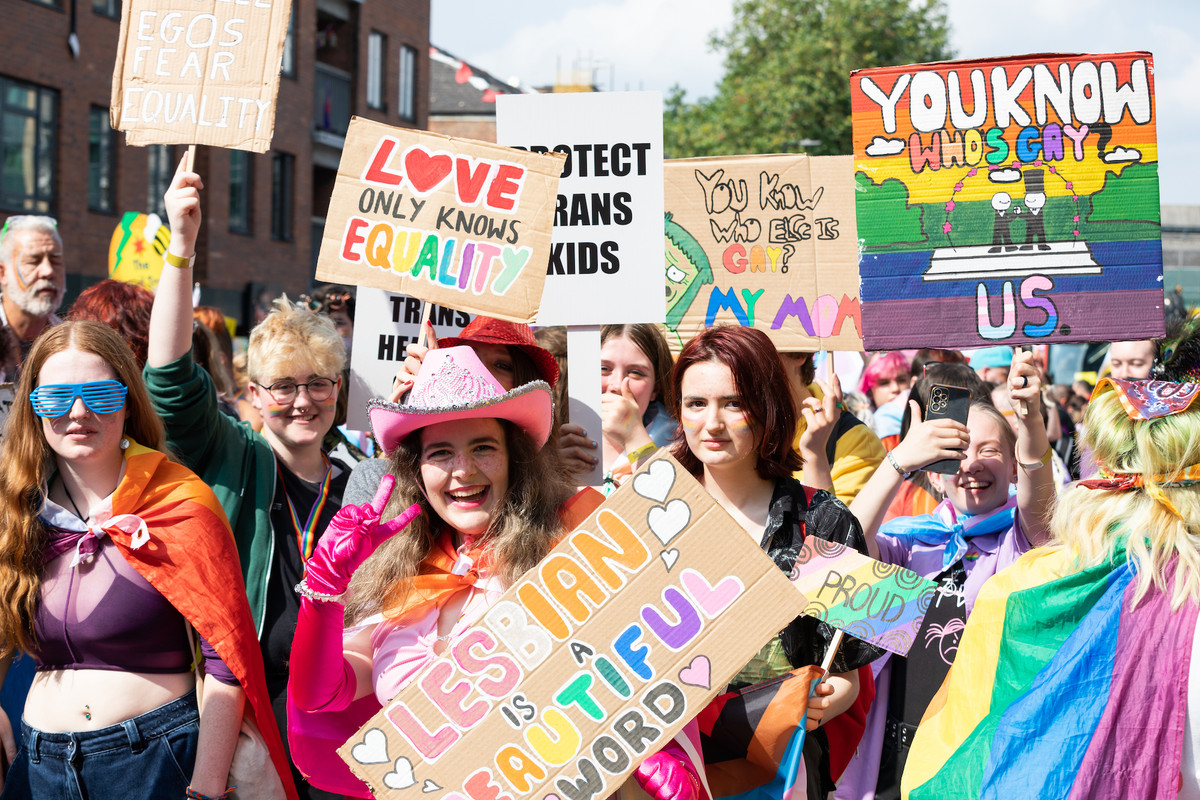
Image: Manchester Pride / Facebook.com
The ‘90s - a time when queer representation in the media had begun aiding acceptance and understanding - were when we really saw a shift towards more of a carnival, party atmosphere, with pop acts that had loyal gay audiences headlining Pride events.
So the LGBTQ+ community’s ties to music and parties, clubbing, and bars have always been strong. Possibly because there is simply always a music scene to suit pretty much anyone and everyone. And as the LGBTQ+ community becomes more accepted in Europe and the US, with laws in place to protect them and grant them the same liberties and rights as everyone else, it makes sense that there’d be a shift from hardcore protest to celebrating the progress and achievements of the community. And what better way to do it than with a cocktail and some banging pop and house music?
We are not free until we are all free
While Pride nowadays is largely seen as more of a party or a celebration, it is still very much a protest. And now, perhaps more than ever, it’s vital we keep activism at the heart of Pride as we continue the fight for equal rights and societal acceptance, particularly for trans people.
The transgender community is the most targeted group in LGBTQ+ hate crimes, with misinformation and fearmongering rife across all corners of the internet and beyond. In a 2018 Stonewall (UK charity) survey, it was revealed that 25% of trans people had experienced homelessness at some point in their lives.
Some big Pride events have banned political parties from attending last year in solidarity with the trans community, who continue to be misunderstood, vilified, and scapegoated in society and politics. See? Still a protest. One with loads of dancing, performers, and great vibes, but still a protest.
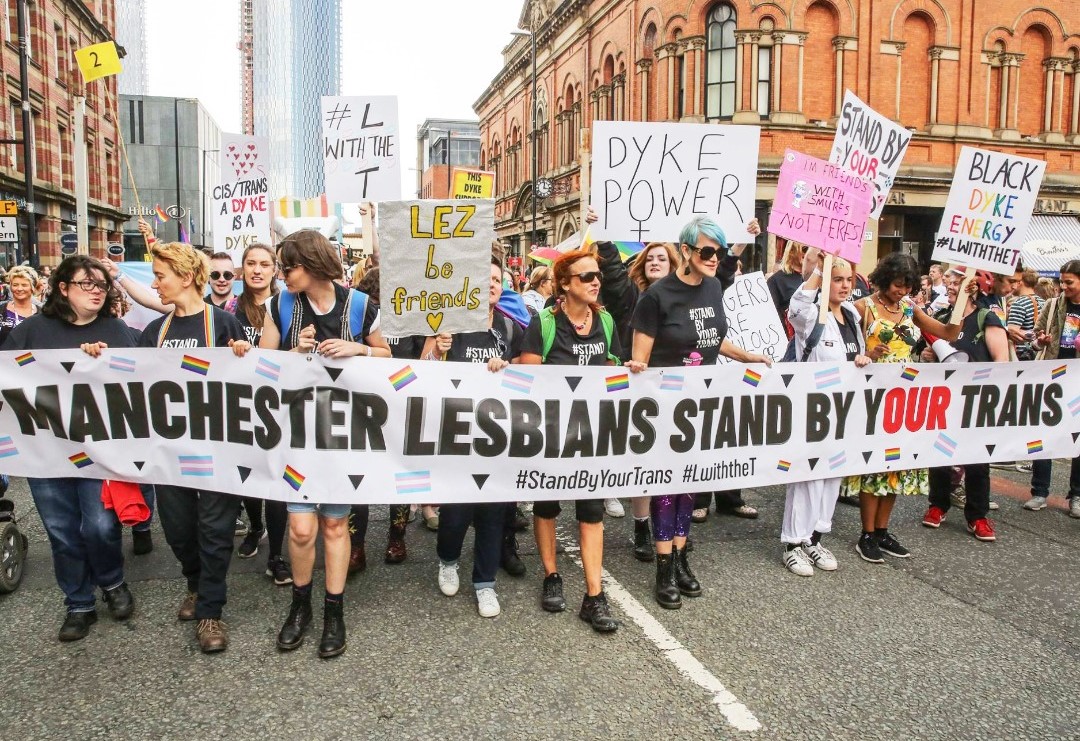
Image: Manchester Pride / Facebook.com - marchers showing support for the trans community
In 1992, the World Health Organisation no longer defined same-sex desire as a mental illness. That was just 32 years ago.
In the UK in 1999, it became illegal for employers to discriminate against trans people. In 2002, same-sex couples were granted equal rights to adoption. In 2004, transgender people were allowed to change their legal gender with a new birth certificate. And then, in 2013, same-sex marriage was legalised in England and Wales, with Northern Ireland legalising it in 2020.
Why do we bring this up? Look at the years. Look at how recently these rights were granted. It’s great progress, but these achievements were only a few years or decades ago.
But it’s not all about the UK and the US.
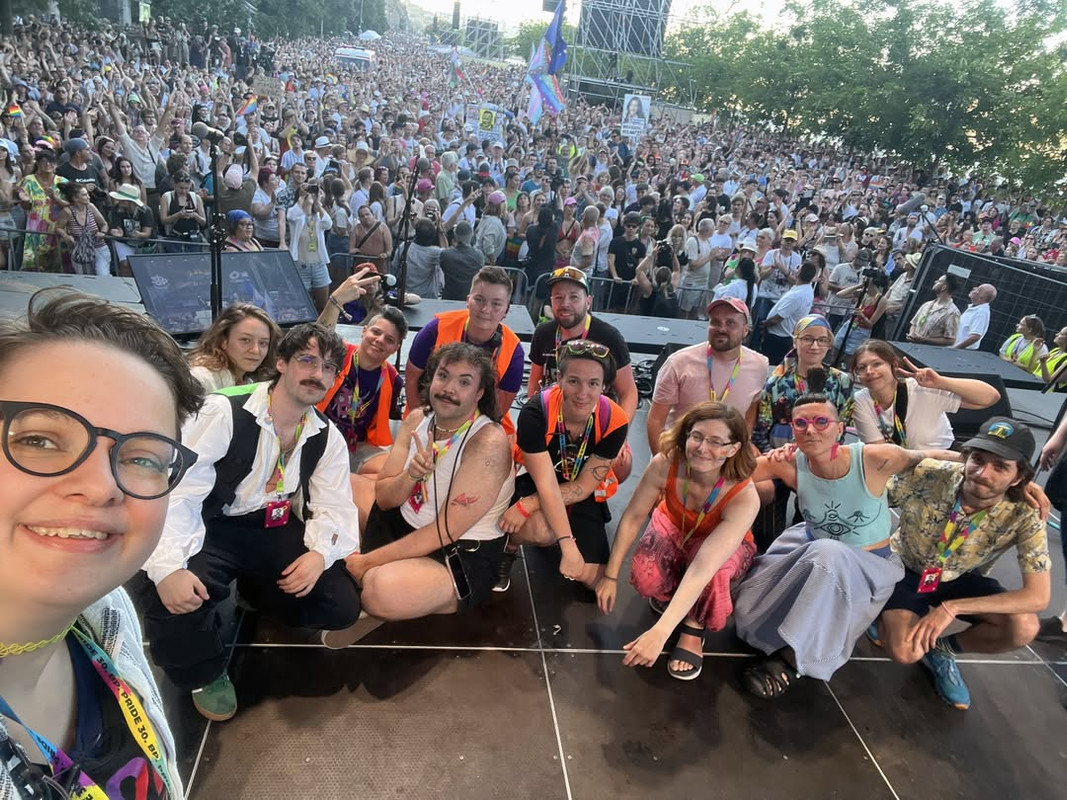
Image: Budapest Pride / Instagram.com
Across the world, 65 jurisdictions still criminalise LGBTQ+ people. 12 countries have jurisdictions in which the death penalty is a certain or a possible punishment for private, consensual, same-sex activity.
In the space of just a few years, Hungary abolished its legal recognition of trans people, banned depictions of homosexuality to under-18s, and, last year, outright banned Pride events. (Despite threats that police would use facial recognition technology to identify any Pride attendees and fine them €500 or prison time, tens of thousands showed up to celebrate Budapest's 30th Pride.) Having recently voted out the PM who banned Pride, Viktor Orbán, Budapest is thankfully due to resume its Pride parades in 2026.
And just the other day, Ghana's parliament passed a hugely disappointing bill that criminalises "LGBTQ+ activity" that could land queer or trans people in prison. Russia now considers the rainbow flag and other Pride-related imagery and symbols an "extremist" symbol, and ruled that the Russian LGBT Network is an "extremist organisation."
In some places, we’re witnessing regression.
Pride will always be a protest
The result of the commercialisation and party-fication of Pride has led many to believe that it is indeed more of a party than anything else. But that’s simply untrue. Yes, you can have a Pride that is purely party-focused, but activism is in Pride’s DNA - it simply cannot be removed from it. Just because we now have moments that are more glamorous, or fun, or joyous, does not mean that key issues are simply abandoned.
As time goes on, we see how Pride parades often adopt the issues of the time. In the ‘70s, it was to protest discrimination and police brutality; in the ‘80s, it was still about rights but also about Section 28 and AIDS; more recently, in 2022, Pride in London focused on the government's U-turn on banning conversion therapy for trans people. Pride evolves. But it’s always a protest.
We can still (and definitely will) drink a few too many gin and tonics, dance, and have a laugh, but the fight must - and absolutely will - continue. We still haven’t fully achieved awareness and acceptance, especially when you zoom out and look at countries across the globe. But regardless of the rest of the globe, the UK and the USA still have a long way to go in both legislation and social acceptance. And so, the fight continues.
Never forget: We are not free until we are all free.
Check out our What's On Guide to discover even more rowdy raves and sweaty gigs taking place over the coming weeks and months. For festivals, lifestyle events and more, head on over to our Things To Do page or be inspired by the event selections on our Inspire Me page.


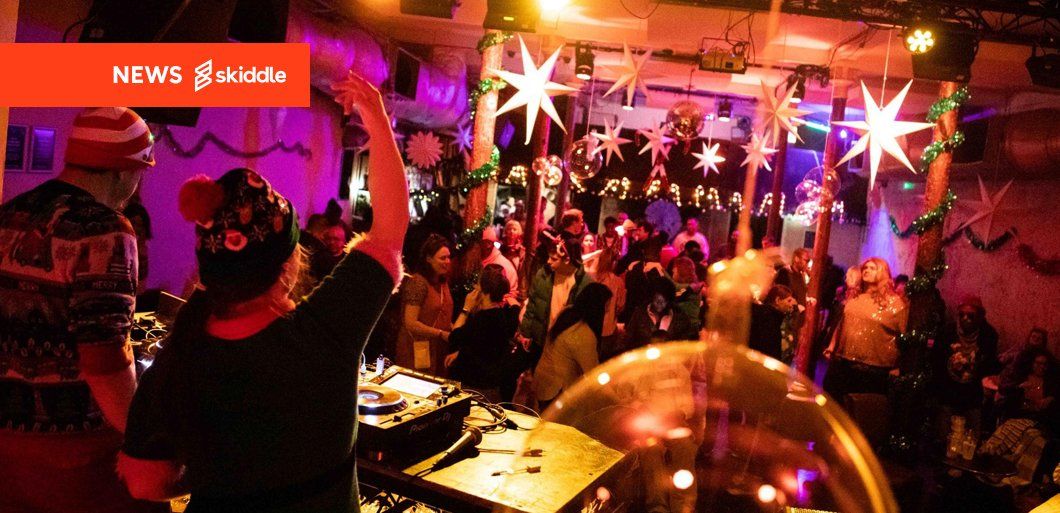
Header image credit: Manchester Pride / Facebook.com

Read more news


Articles you may be interested in


Gigs ● Clubs ● Festivals ● Things to do
“On your side since 2001, because we believe true fans deserve a fairer and smarter way to discover events they love.”
Why use Skiddle?
- Rated 5 stars on reviews.co.uk
- Over 17 million tickets sold
- Over 4.3 million happy customers
- Skiddle Supports - Together, we are More Than A Ticket
- Official Primary Ticket outlet
- Established 2001
- Support the Fanfair Alliance
- Sustainability - Make a positive impact
© 2001 - 2026 Skiddle Ltd | Skiddle is a registered trademark | ALL RIGHTS RESERVED