
Deepchord
Biography
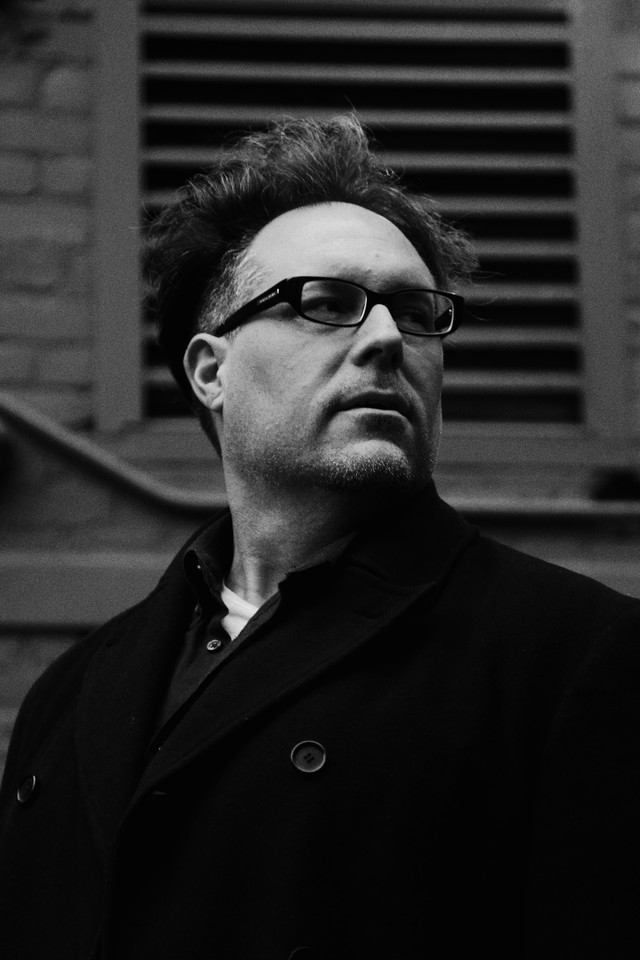
Rod Modell (a.k.a. Deepchord) is a sound-designer with 25 years involvement in electronic music and over 50 releases under various aliases and styles. Beginning with more "industrial" and "ambient" forms of sonic experimentation (working with Kim Cascone and his -then- record-label Silent, and performing with notable industrial acts such as Chris & Cosey and SPK). While attending Art School for Photography, Rod lived in Detroit's Eastern-Market area, the location of the infamous "techno boulevard", and home to Derrick May, Juan Atkins and Kevin Saunderson during that time. Submersed in the blossoming Detroit Techno scene (early 1990's), a journey from a more experimental sound into Detroit's techno-world was inevitable. Modell co-founded the Deepchord record label in Detroit during the mid-90's. Deepchord respected and admired (fellow Detroiters) Underground Resistance for their D.I.Y. attitude and independence. It was because of this respect and admiration that Deepchord declined offers from top techno labels of the time, in favor of doing it by themselves. Many consider Deepchord to be the second wave of the "Basic Channel sound", and came years before the onslaught of imitators.

Download our app or subscribe to our push notifications to get the latest alerts for this artist


Biography
Rod Modell (a.k.a. Deepchord) is a sound-designer with 25 years involvement in electronic music and over 50 releases under various aliases and styles. Beginning with more "industrial" and "ambient" forms of sonic experimentation (working with Kim Cascone and his -then- record-label Silent, and performing with notable industrial acts such as Chris & Cosey and SPK). While attending Art School for Photography, Rod lived in Detroit's Eastern-Market area, the location of the infamous "techno boulevard", and home to Derrick May, Juan Atkins and Kevin Saunderson during that time. Submersed in the blossoming Detroit Techno scene (early 1990's), a journey from a more experimental sound into Detroit's techno-world was inevitable. Modell co-founded the Deepchord record label in Detroit during the mid-90's. Deepchord respected and admired (fellow Detroiters) Underground Resistance for their D.I.Y. attitude and independence. It was because of this respect and admiration that Deepchord declined offers from top techno labels of the time, in favor of doing it by themselves. Many consider Deepchord to be the second wave of the "Basic Channel sound", and came years before the onslaught of imitators.
Download our app or subscribe to our push notifications to get the latest alerts for this artist

Gigs ● Clubs ● Festivals ● Things to do
“On your side since 2001, because we believe true fans deserve a fairer and smarter way to discover events they love.”
why use Skiddle?
© 2001 - 2026 Skiddle Ltd | Skiddle is a registered trademark | ALL RIGHTS RESERVED